Types of Dogs
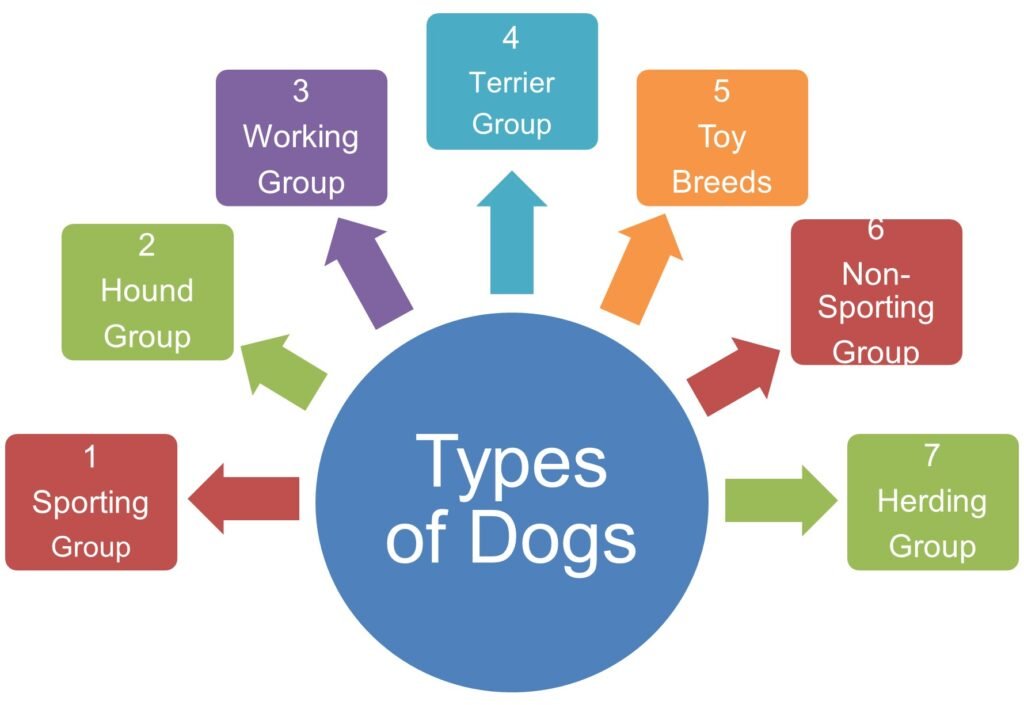
A.7. Herding Group
The herding group is a captivating collection of breeds, each meticulously developed to assist humans in managing livestock. These dogs exhibit remarkable intelligence, agility, and instinctive behavior that make them invaluable companions on farms and ranches. As guardians of the herd, these breeds possess a unique set of characteristics that not only define their functionality but also their undeniable charm.
The intelligence of herding dogs is a paramount trait. Breeds such as the Border Collie, Australian Shepherd, and German Shepherd are renowned for their high level of trainability and quickness in grasping commands.
- Border Collies, often hailed as the most intelligent dog breed, demonstrate exceptional problem-solving abilities and a keen understanding of human cues. Their capacity to learn complex tasks and perform them with precision is unparalleled.
- The Australian Shepherd showcases similar intelligence, coupled with an eager willingness to please, making them both incredible working dogs and loyal family pets.
- German Shepherds, known for their versatility, not only excel in herding but also serve in roles such as police and service dogs, further highlighting their adaptability and intellect.
The herding group is a fascinating assembly of breeds distinguished by their intelligence, physical capabilities, and inherent herding instincts. These dogs bridge the gap between livestock and humans, ensuring effective management and protection of various animals.
With their remarkable traits and unwavering loyalty, herding dogs have earned their place not only in the fields but also in our homes. As society evolves, the role of these dogs may shift, but their deep-seated instincts and vibrant personalities will undoubtedly continue to shine through.
Sample Dogs Under Herding Group
- Australian Cattle Dog (Blue Heeler)
- Australian Shepherd
- Bearded Collie
- Border Collie
- German Shepherd
- Pembroke Welsh Corgi
- Old English Sheepdog
🐾 Australian Cattle Dog (Blue Heeler): The Energetic and Intelligent Blue Healer Dog
Discover the Australian Cattle Dog (Blue Heeler), an intelligent and energetic herding breed known for loyalty, agility, and strong work ethic. Learn its traits, care needs, and ideal lifestyle.
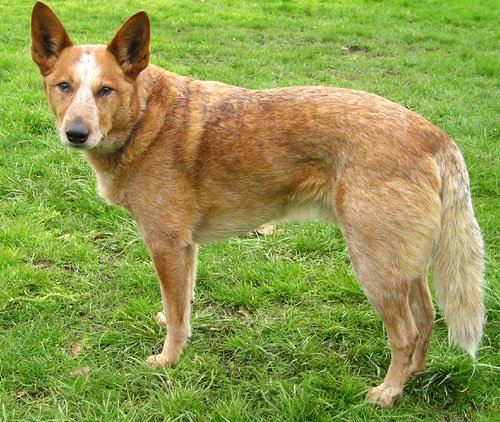
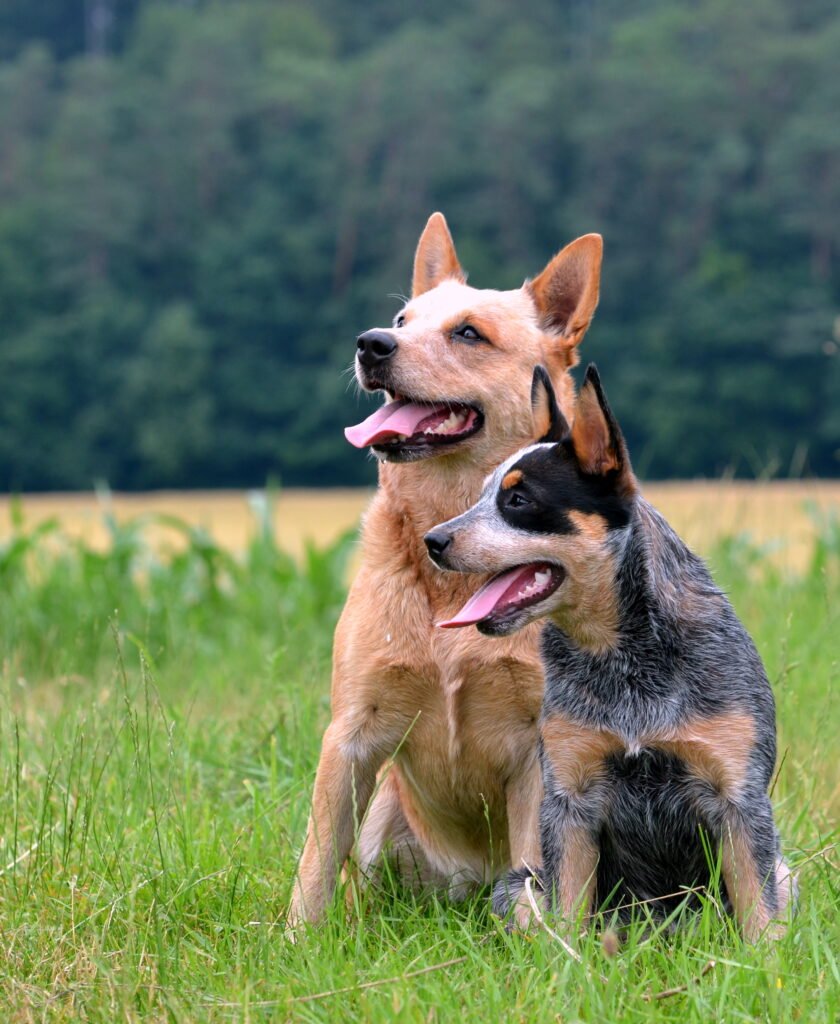
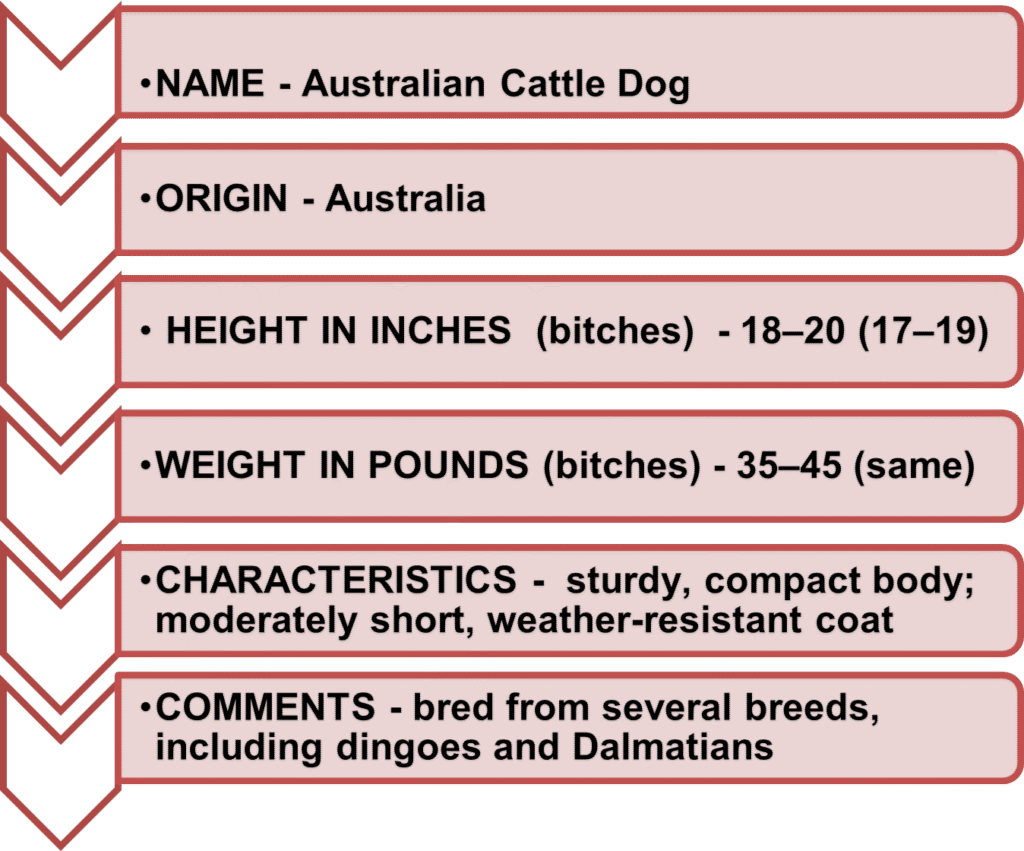
The Australian Cattle Dog—commonly known as the Blue Heeler or Queensland Heeler—is a highly intelligent and energetic breed developed for herding cattle across Australia’s rugged terrain. Renowned for its endurance and sharp instincts, this breed has transitioned from a hardworking farm dog to a loyal and capable companion for active households.
🏛️ Origin and History
Originating in 19th-century Australia, the Australian Cattle Dog was specifically bred to handle long-distance cattle driving in harsh conditions. Its development focused on resilience, intelligence, and control, making it one of the most efficient herding breeds in the world.
🐕 Physical Characteristics
The Australian Cattle Dog is a compact yet powerful breed with the following characteristics:
- Size: Medium, muscular, and well-balanced
- Coat: Short, dense double coat for weather protection
- Colors: Blue or red speckled
- Distinct Traits:
- Upright, pointed ears
- Alert and focused expression
- Signature facial mask markings
Their athletic build reflects their stamina and working heritage.
🧠 Intelligence and Trainability
This breed is exceptionally smart and thrives in structured environments.
- Learns commands quickly and efficiently
- Excels in obedience, agility, and herding trials
- Strong problem-solving abilities
- Responds best to consistent, positive training
Their intelligence requires regular mental challenges to stay balanced.
⚡ Temperament and Behavior
Australian Cattle Dogs are known for their driven and loyal personality:
- Loyal: Strong attachment to family
- Protective: Naturally cautious with strangers
- Energetic: Requires daily activity
- Purpose-Driven: Needs tasks and engagement
They may display herding behaviors like nipping or chasing if not properly trained.
🏃 Exercise and Mental Needs
This breed demands an active lifestyle:
- At least 1–2 hours of daily exercise
- Enjoys activities such as:
- Agility training
- Herding exercises
- Scent work
- Interactive puzzle games
A lack of stimulation can lead to boredom and destructive habits.
❤️ Health and Lifespan
The Australian Cattle Dog is generally healthy and long-lived:
- Lifespan: 12–15 years
- Common Issues:
- Deafness
- Hip dysplasia
- Progressive retinal atrophy (PRA)
Regular vet care and an active routine support long-term health.
🏡 Ideal Home
✅ Best For:
- Active individuals or families
- Owners who enjoy training and outdoor activities
- Homes with space for movement
⚠️ Not Ideal For:
- Sedentary lifestyles
- First-time owners without training commitment
- Small spaces without exercise opportunities
✨ Final Thoughts
The Australian Cattle Dog is a powerful combination of intelligence, endurance, and loyalty. Bred for purpose, this breed thrives when given meaningful tasks and consistent engagement. While demanding, it offers unmatched companionship to those who can meet its needs—making it an exceptional partner for active and dedicated owners.
🐾 Australian Shepherd: The Intuitive and Energetic Companion
Learn about the Australian Shepherd, a highly intelligent and energetic breed known for its herding instinct, loyalty, and playful personality. Perfect for active families and outdoor enthusiasts!
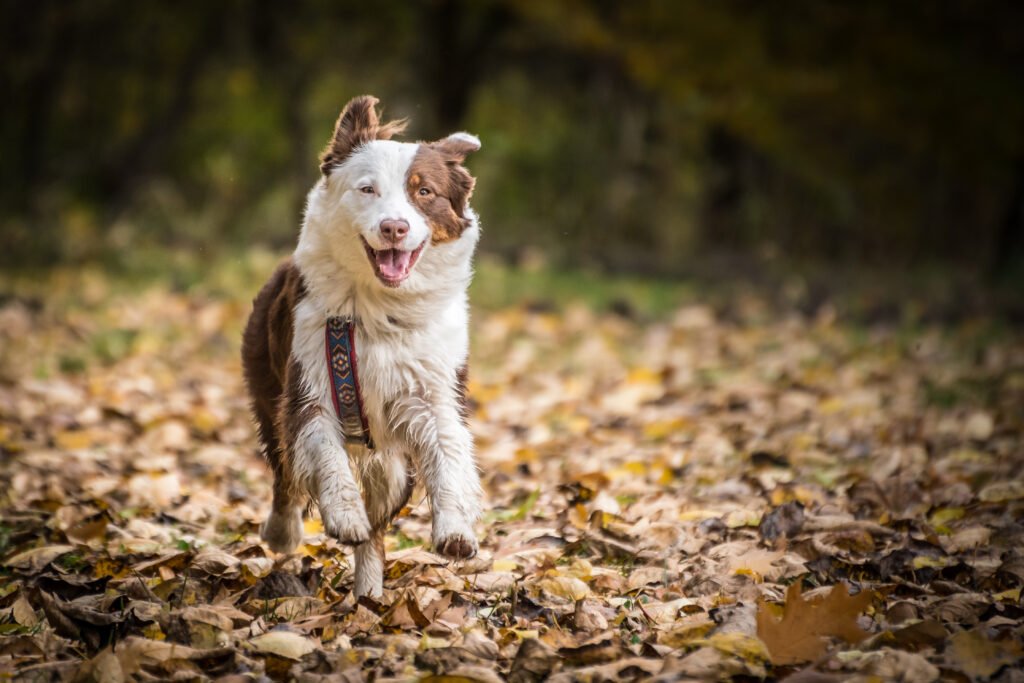
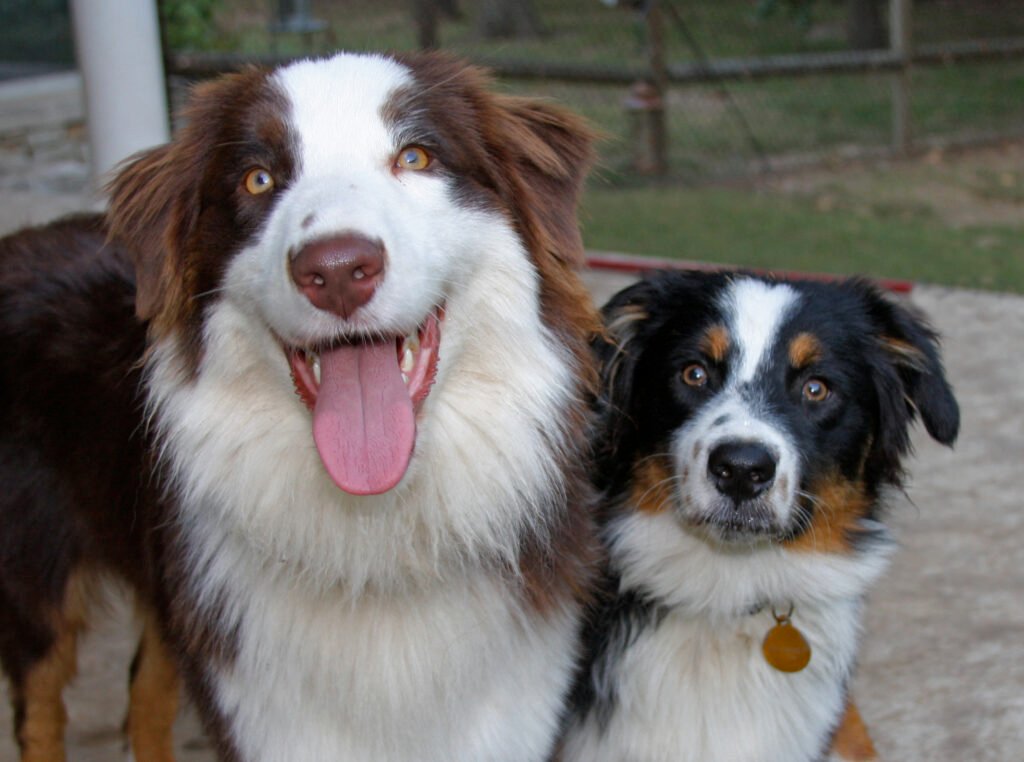
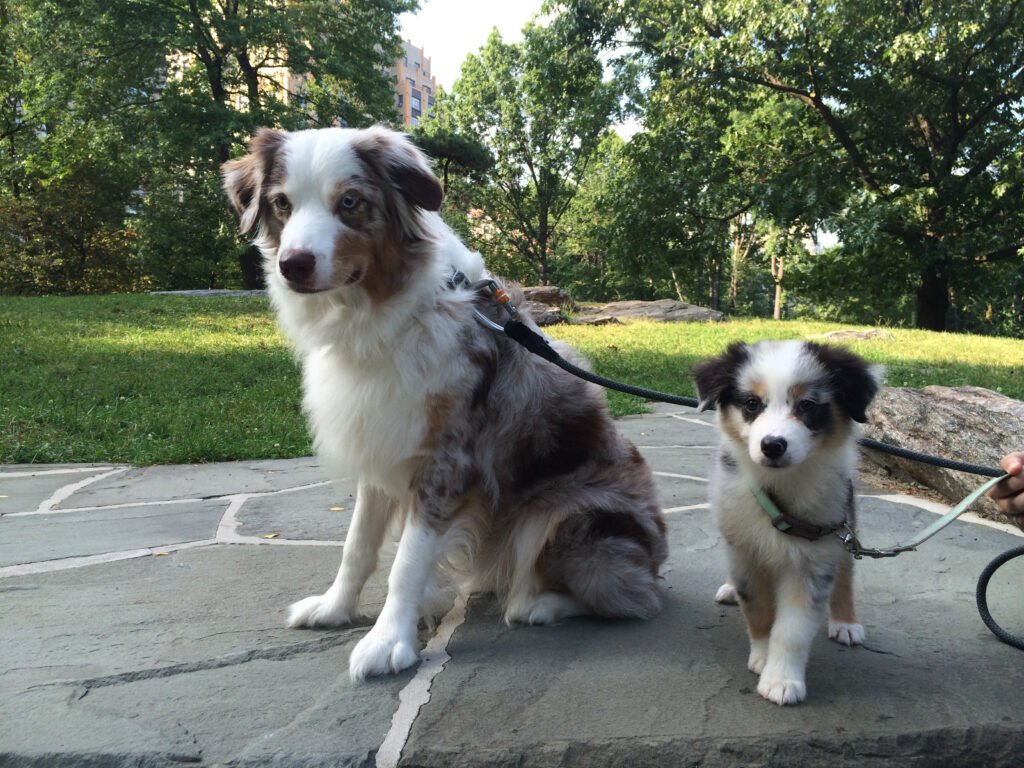
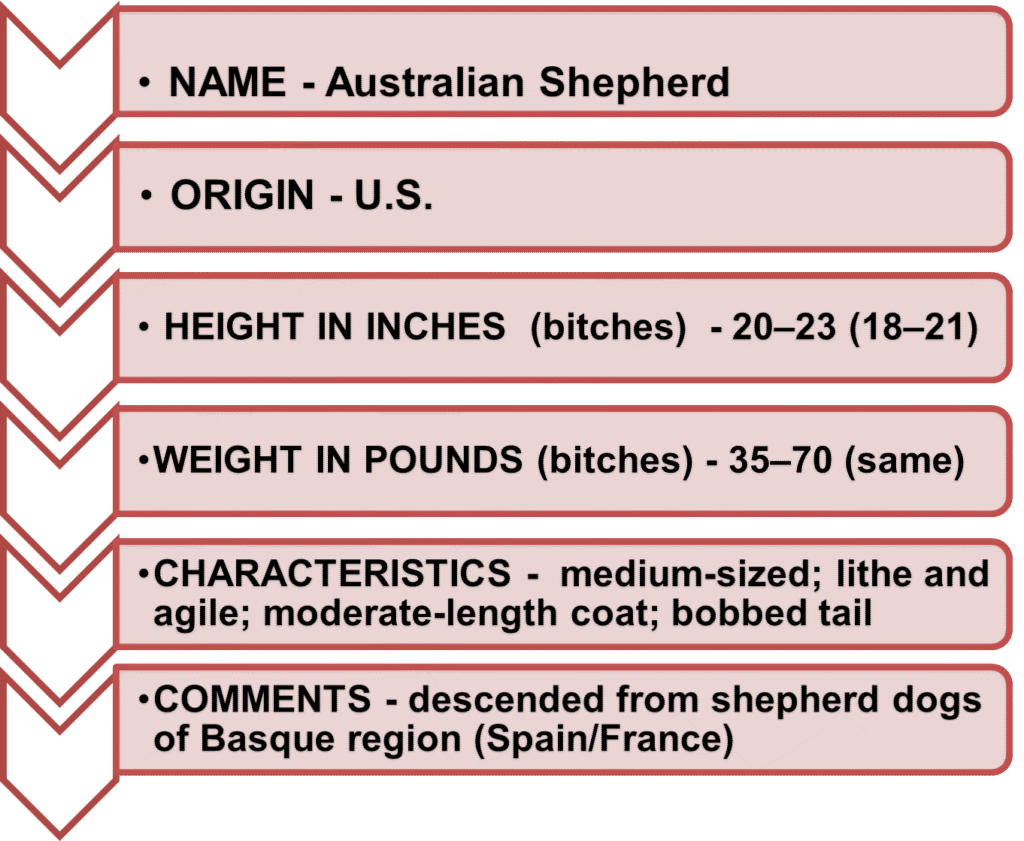
The Australian Shepherd is a brilliant and energetic herding breed known for its intelligence, agility, and strong work ethic. Despite its name, the Australian Shepherd was actually developed in the United States, where it became a favorite among ranchers and farmers for its exceptional herding abilities. Today, this breed is celebrated not only as a working dog but also as a loyal and active companion.
🏛️ Origin and History
Contrary to popular belief, the Australian Shepherd originated in the United States. It gained prominence in the 19th and 20th centuries as a reliable herding dog, valued for its ability to manage livestock efficiently. Its versatility and trainability quickly made it a staple on farms and ranches.
🐕 Physical Characteristics
The Australian Shepherd is a well-balanced and athletic breed:
- Size: Medium, agile, and muscular
- Coat: Double coat (weather-resistant outer layer, insulating undercoat)
- Colors:
- Blue merle
- Red merle
- Black
- Red
- Distinct Features:
- Striking merle patterns
- Expressive eyes (often blue, brown, or even heterochromatic)
- Naturally alert and focused stance
Their coat and build allow them to perform efficiently in various climates.
🧠 Intelligence and Trainability
Australian Shepherds are among the most intelligent dog breeds:
- Quick learners with excellent memory
- Highly responsive to commands
- Excel in obedience, agility, and herding trials
- Thrive on mental challenges and structured training
Their eagerness to please makes them highly trainable but also mentally demanding.
⚡ Temperament and Behavior
This breed is known for its vibrant and engaging personality:
- Affectionate: Strong bonds with family
- Energetic: Requires consistent activity
- Alert: Naturally attentive and responsive
- Driven: Needs purpose and engagement
Without proper stimulation, they may develop boredom-related behaviors.
🏃 Exercise and Mental Needs
The Australian Shepherd thrives in active environments:
- Requires 1–2 hours of daily exercise
- Enjoys activities such as:
- Agility training
- Herding exercises
- Frisbee and fetch
- Puzzle toys and advanced training
Mental stimulation is just as important as physical activity.
❤️ Health and Lifespan
Australian Shepherds are generally healthy but require monitoring:
- Lifespan: 12–15 years
- Common Health Concerns:
- Hip dysplasia
- Eye conditions (e.g., cataracts)
- Epilepsy
Routine vet care and proper breeding practices are essential.
🏡 Ideal Home
✅ Best For:
- Active individuals or families
- Owners who enjoy training and outdoor activities
- Homes with space for exercise
⚠️ Not Ideal For:
- Sedentary lifestyles
- Owners with limited time for engagement
- Small living spaces without activity outlets
✨ Final Thoughts
The Australian Shepherd is a dynamic and intelligent breed that thrives on activity, purpose, and companionship. Combining athleticism with loyalty and sharp intelligence, this breed is ideal for owners who can match its energy and provide consistent engagement.
For those ready to invest time and effort, the Australian Shepherd offers a deeply rewarding experience—filled with adventure, companionship, and unwavering devotion.
🐾 Bearded Collie: The Heartfelt Companion with a Distinctive Coat and Playful Spirit
Discover the Bearded Collie, an intelligent and energetic herding breed from Scotland. Learn about its temperament, grooming needs, and ideal home environment.
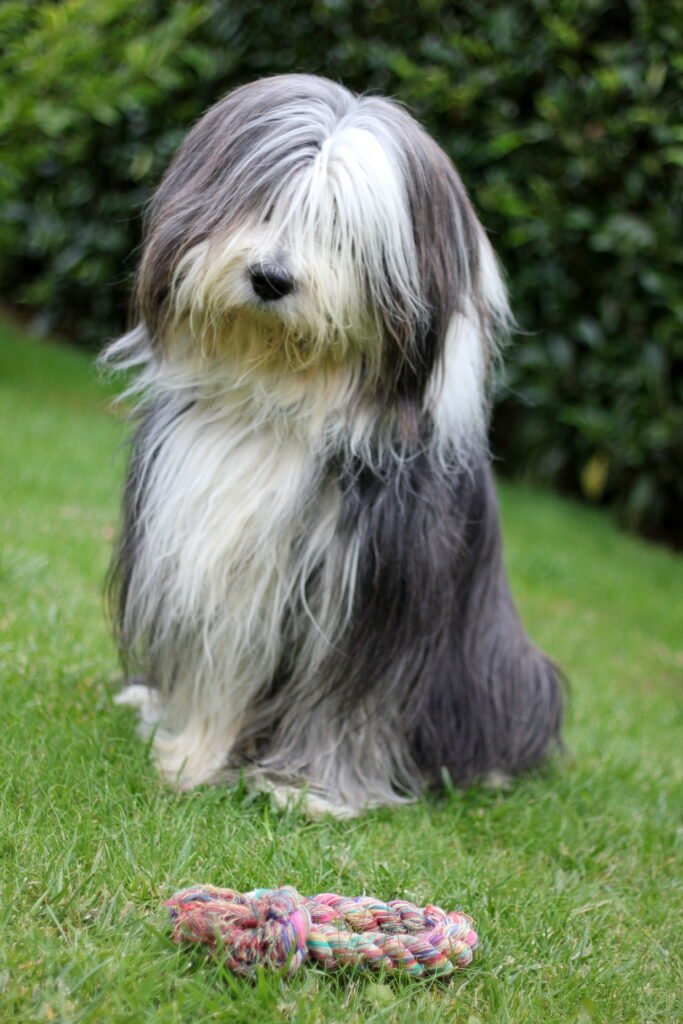
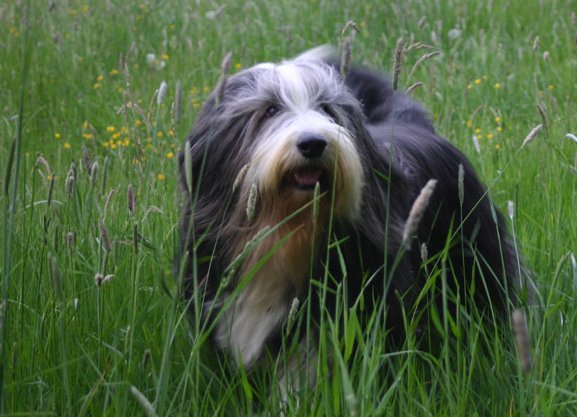
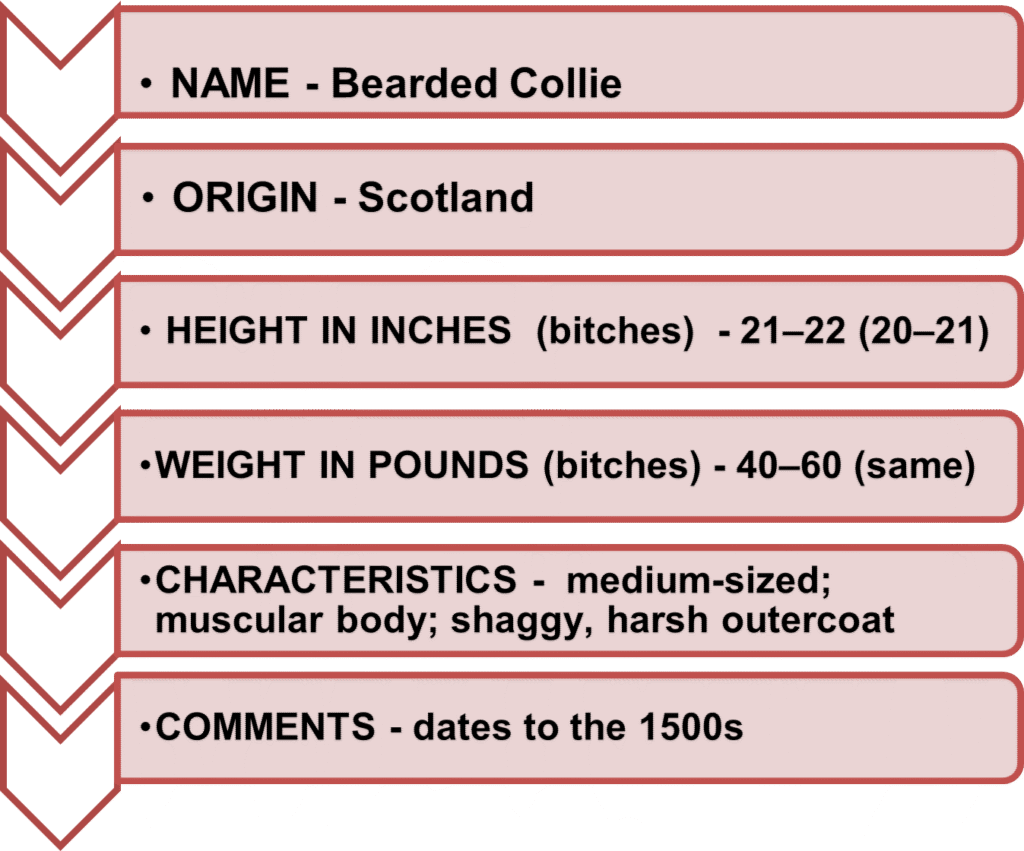
The Bearded Collie is a charming and energetic herding breed known for its intelligence, agility, and distinctive shaggy coat. Originating from Scotland, this breed has long been valued as a reliable farm companion, capable of managing livestock with precision and endurance. Today, the Bearded Collie continues to win hearts as both a hardworking dog and a devoted family companion.
🏛️ Origin and History
Developed in Scotland, the Bearded Collie was bred for herding sheep and cattle across rugged terrain. Its agility, resilience, and keen intelligence made it an indispensable partner for farmers, especially in challenging weather conditions.
🐕 Physical Characteristics
It is a striking and functional breed:
- Size: Medium, strong, and athletic
- Coat: Long, flowing double coat
- Outer coat: Soft and weather-resistant
- Undercoat: Dense for insulation
- Colors: Brown, black, blue, or fawn, often with white markings
- Distinct Features:
- Signature beard-like facial fur
- Deep-set, expressive eyes
- Long, fur-covered ears
Their coat not only enhances their appearance but also protects them in harsh climates.
🧠 Intelligence and Trainability
Bearded Collies are highly intelligent and responsive:
- Quick learners with strong problem-solving skills
- Excel in obedience and agility training
- Thrive with consistent, positive reinforcement
- Enjoy mental challenges and interactive play
Their herding background makes them eager and capable learners.
⚡ Temperament and Behavior
This breed is known for its joyful and loyal personality:
- Loyal: Forms strong attachments to family
- Affectionate: Enjoys companionship and interaction
- Playful: Energetic and lively
- Sociable: Thrives when included in family activities
They are happiest when actively engaged with their owners.
🏃 Exercise and Activity Needs
The Bearded Collie requires an active lifestyle:
- Needs daily exercise and playtime
- Enjoys:
- Herding and agility activities
- Long walks and outdoor adventures
- Interactive games and training sessions
Regular activity is essential to maintain both physical and mental health.
✂️ Grooming Requirements
Their beautiful coat requires consistent care:
- Frequent brushing to prevent tangles and matting
- Routine grooming to maintain coat health
- Regular hygiene care (ears, paws, and coat cleaning)
Grooming is a key commitment for this breed.
❤️ Health and Lifespan
Bearded Collies are generally healthy but need monitoring:
- Lifespan: 12–14 years
- Common Concerns:
- Hip dysplasia
- Autoimmune conditions
- Allergies
Routine veterinary care supports longevity.
🏡 Ideal Home
✅ Best For:
- Active families or individuals
- Owners who enjoy grooming and outdoor activities
- Homes with space for movement
⚠️ Not Ideal For:
- Low-maintenance pet seekers
- Sedentary households
- Owners with limited time for grooming and exercise
✨ Final Thoughts
The Bearded Collie is more than just a visually striking dog—it is a loyal companion, agile worker, and joyful presence in any home. With its combination of intelligence, energy, and affection, this breed offers a deeply rewarding experience for dedicated owners.
For those willing to invest time in grooming, training, and engagement, the Bearded Collie brings a perfect balance of beauty, personality, and companionship.
🐾 Border Collie: The Intelligent and Energetic Herding Champion
Discover the Border Collie, one of the most intelligent and energetic herding dog breeds. Learn about its traits, temperament, care needs, and ideal home.
Reference : Britannica
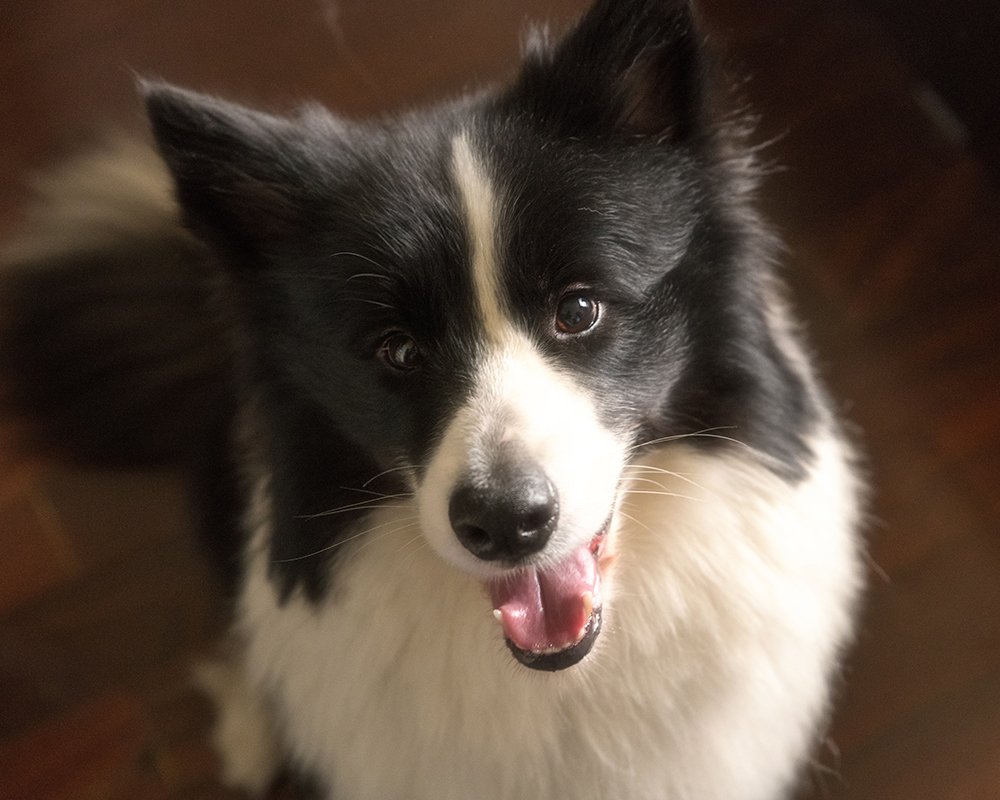
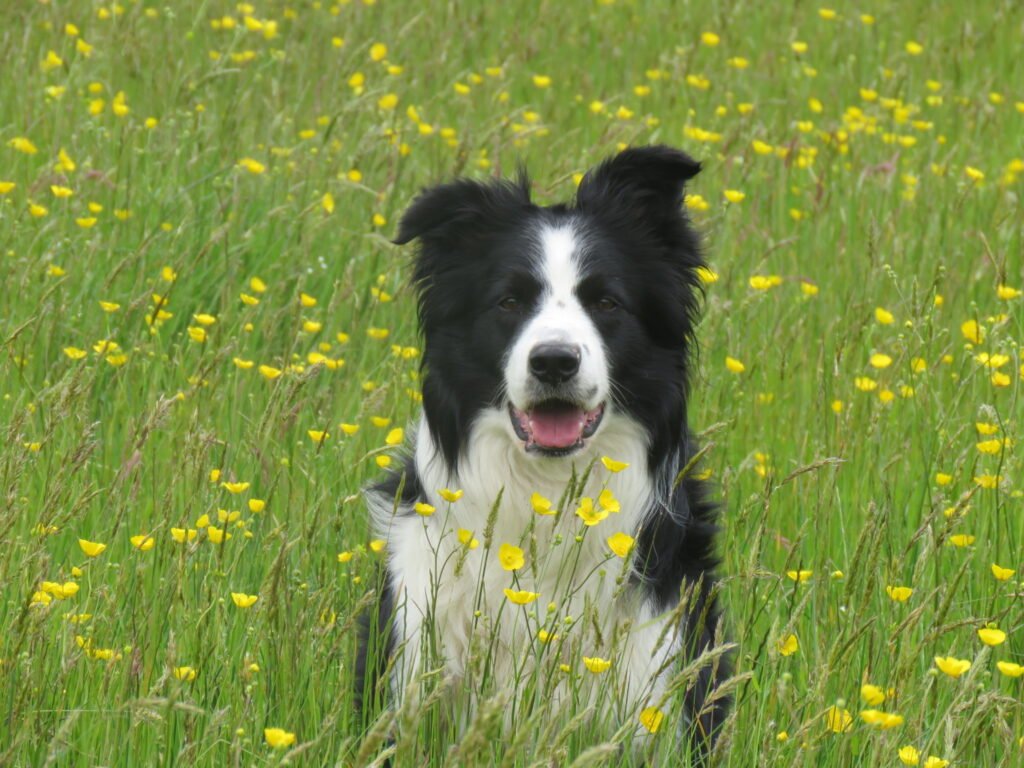
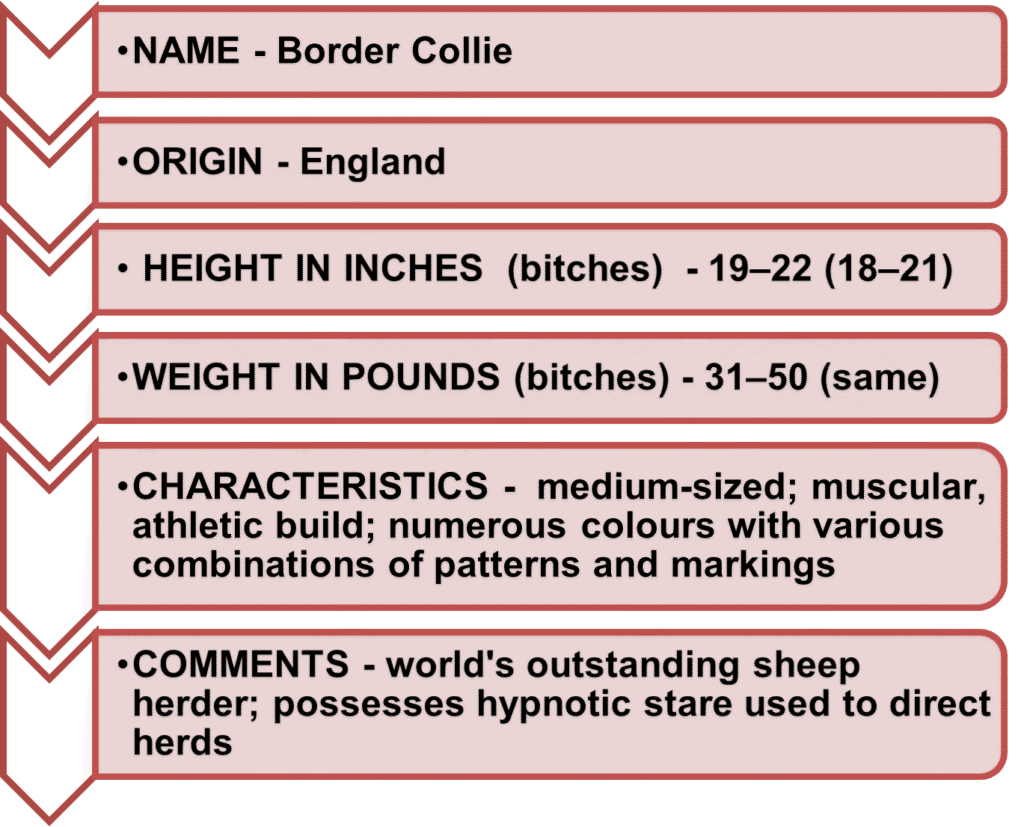
The Border Collie is widely regarded as one of the most intelligent and capable dog breeds in the world. Originally developed for herding sheep along the border of England and Scotland, this breed is celebrated for its unmatched focus, agility, and work ethic. Today, the Border Collie excels not only as a working dog but also as a competitive athlete and devoted companion.
🏛️ Origin and History
The Border Collie originated in the border region between England and Scotland, where it was bred specifically for herding sheep. Its development emphasized intelligence, responsiveness, and stamina—traits that remain central to the breed today.
🐕 Physical Characteristics
It is a perfect blend of athleticism and elegance:
- Size: Medium, lean, and agile
- Coat: Can be smooth or rough, medium-length
- Colors:
- Common: Black and white
- Others: Red, blue, merle, and tricolor variations
- Distinct Features:
- Intense, focused eyes (often dark brown or hazel)
- Alert expression
- Graceful and balanced movement
Their coat provides protection against harsh weather, supporting their outdoor working role.
🧠 Intelligence and Trainability
Border Collies are often ranked as the most intelligent dog breed:
- Extremely fast learners
- Exceptional problem-solving abilities
- Excel in obedience, agility, and herding trials
- Thrive on complex tasks and challenges
Their intelligence requires consistent mental engagement to prevent boredom.
⚡ Temperament and Behavior
This breed is known for its intense and driven personality:
- Highly Energetic: Needs constant activity
- Focused: Strong herding instinct and concentration
- Loyal: Forms deep bonds with owners
- Responsive: Sensitive and quick to react to commands
They may attempt to herd people or pets if instincts are not properly managed.
🏃 Exercise and Mental Needs
The Border Collie requires a very active lifestyle:
- Needs 1–2+ hours of daily exercise
- Enjoys:
- Agility and obedience training
- Herding activities
- Frisbee and advanced games
- Puzzle toys and mental challenges
This breed thrives when given purpose-driven tasks.
❤️ Health and Lifespan
Border Collies are generally healthy but require monitoring:
- Lifespan: 12–15 years
- Common Concerns:
- Hip dysplasia
- Collie eye anomaly
- Epilepsy
Regular veterinary care helps maintain long-term health.
🏡 Ideal Home
✅ Best For:
- Highly active individuals or families
- Experienced dog owners
- Homes with space and structured routines
⚠️ Not Ideal For:
- Sedentary lifestyles
- Owners with limited time for training
- Small living spaces without exercise outlets
✨ Final Thoughts
The Border Collie is a remarkable combination of intelligence, energy, and loyalty. Bred for performance and precision, this breed thrives in environments where it can stay active and mentally engaged.
For the right owner, the Border Collie offers an extraordinary companionship experience—filled with energy, responsiveness, and unmatched capability. However, it requires dedication, making it best suited for those ready to embrace an active and involved lifestyle.
German Shepherd : The Noble and Majestic Guardian
Discover the history of the German Shepherd breed, from its origins in 19th-century Germany to its roles as family pets, service dogs, and loyal companions. Learn about key figures in its development, including Max von Stephanitz and Rin Tin Tin.
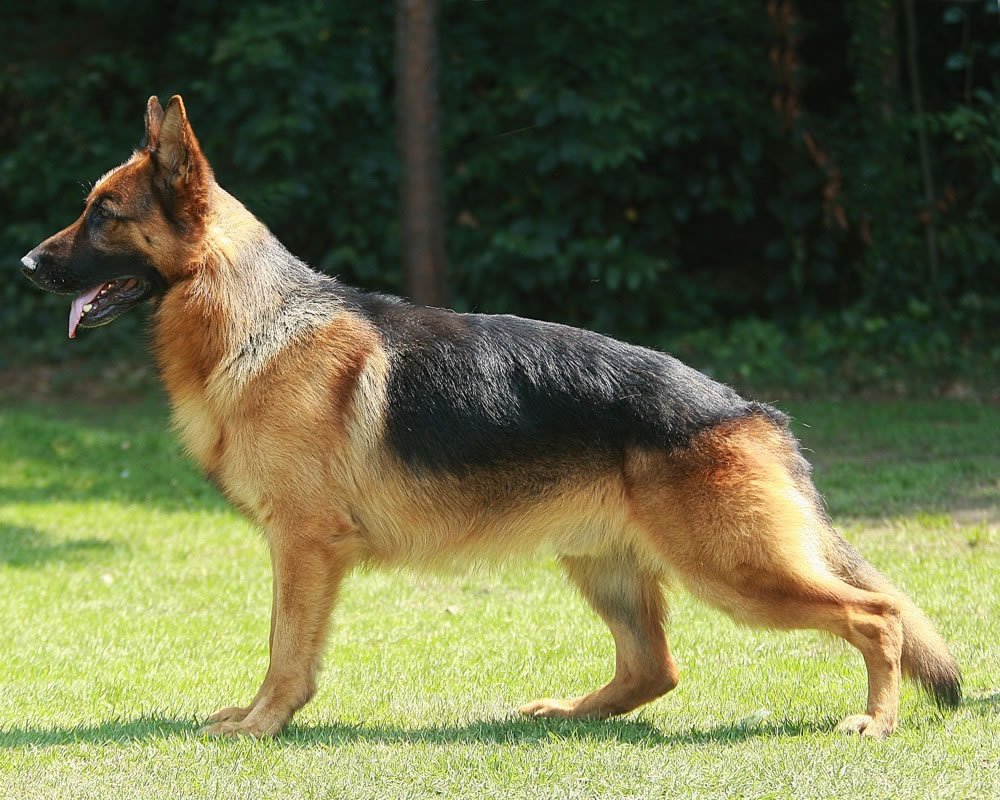
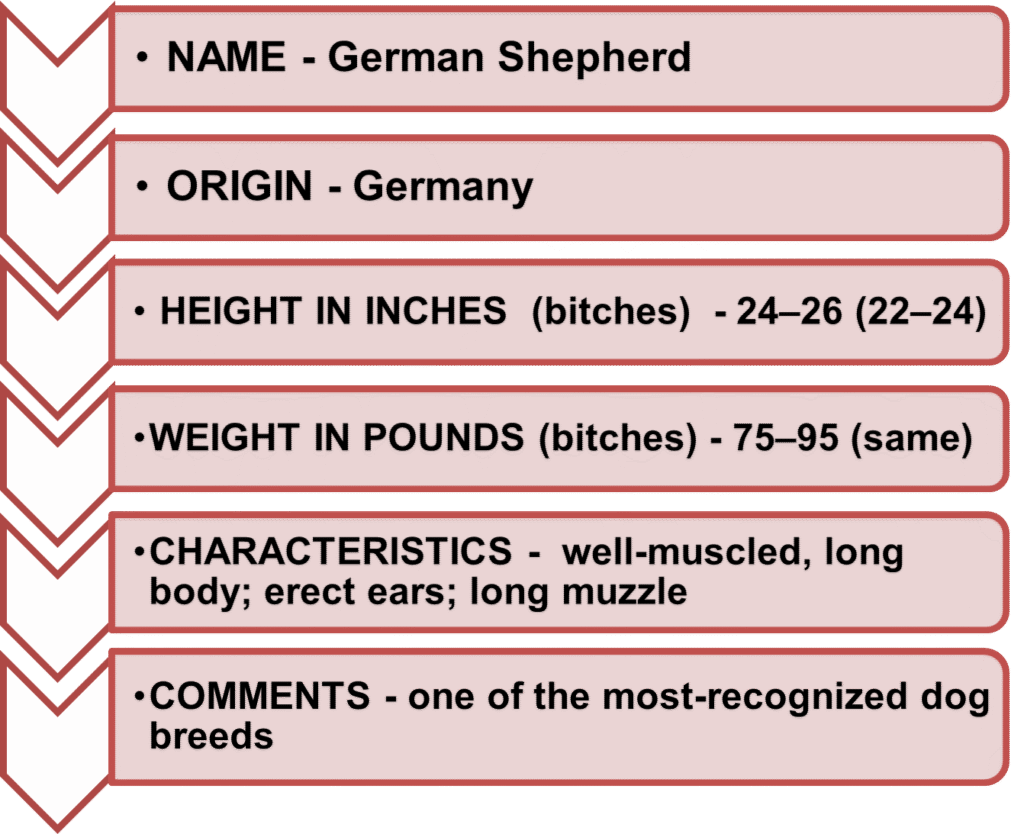
Reference : Britannica
🏛️ Origin and History
The German Shepherd breed originated in Germany in the late 19th century, developed by Max von Stephanitz, a German cavalry officer. His goal was to create a versatile working dog capable of excelling in various tasks, such as herding, police work, and protection.
Development by Max von Stephanitz
Max von Stephanitz purchased a dog named Horand von Grafrath, who became the foundation of the German Shepherd breed. This breed was officially recognized by the American Kennel Club in 1908, marking a significant milestone in its history.
Military Service in World Wars
German Shepherds were extensively used by the German military during both World Wars for various tasks, including messenger and guard duties. Their intelligence and adaptability made them invaluable in these roles.
Post-War Roles
After the wars, German Shepherds gained popularity as police and search-and-rescue dogs due to their keen sense of smell and quick learning ability. Their versatility allowed them to transition into family and service roles seamlessly.
Key Figures in German Shepherd History
Aside from Max von Stephanitz, other influential figures in the breed’s history include Gertrud and Werner von Hildburghausen, who established the first guide dog school for the blind in Germany using German Shepherds. Captain Barney Glover also played a significant role in promoting the breed in the United States during the early 20th century.
Rin Tin Tin: A Canine Celebrity
One of the most famous German Shepherds in history is Rin Tin Tin, a rescue dog found in France during World War I by American soldier Lee Duncan. Rin Tin Tin became a Hollywood star, further popularizing the breed worldwide.
🐕 Physical Characteristics
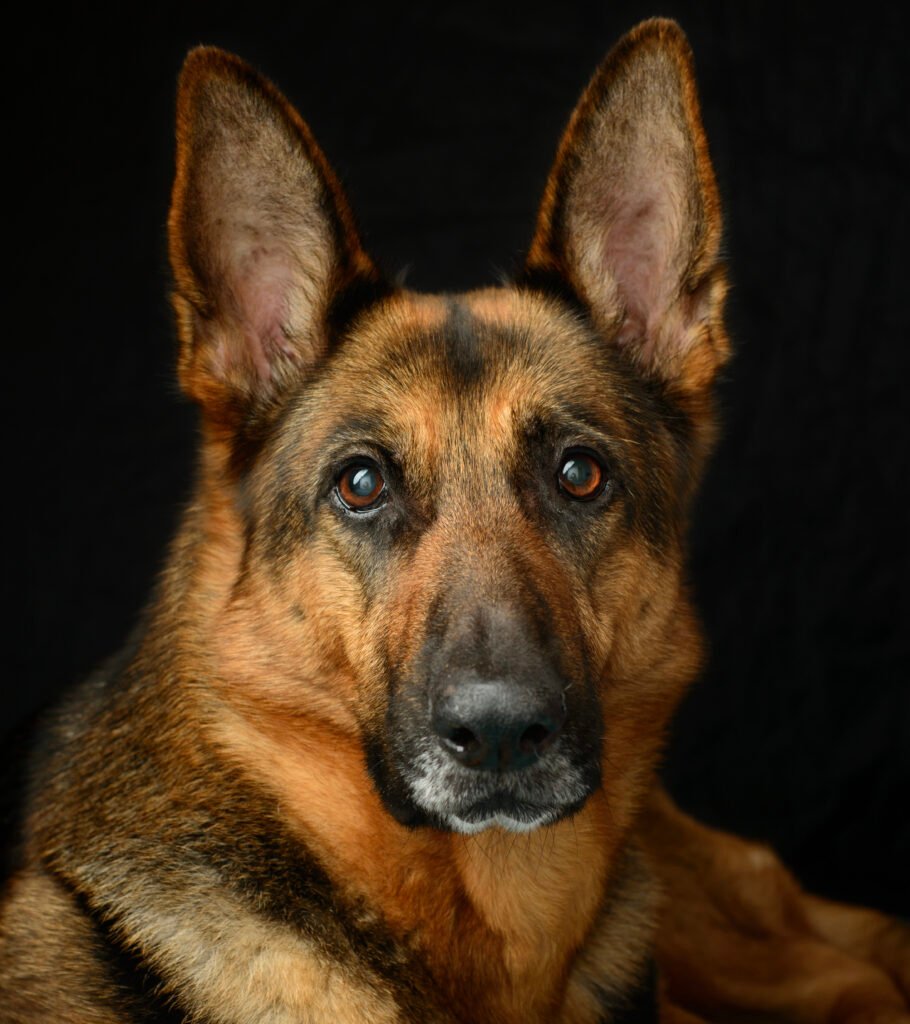
German Shepherds are large, powerful dogs with a strong, athletic build. They typically stand between 22 to 26 inches tall at the shoulder and weigh between 50 to 90 pounds, depending on their sex and lineage. They have a well-proportioned body with a straight back, long legs, and large, erect ears. Their coat is dense and can come in various colors, including black and tan, sable, all black, and white. The breed has a bushy tail that is often carried low.
🧠 Intelligence
German Shepherds are highly intelligent and are known for their quick learning abilities. They consistently rank among the smartest dog breeds, which makes them excellent working dogs in various roles, including police, military, search and rescue, and service animals. Their problem-solving skills and adaptability also contribute to their intelligence.
🧠 Trainability
This breed is extremely trainable due to its intelligence and eagerness to please its owner. German Shepherds thrive on positive reinforcement training methods and respond well to clear commands and structured training sessions. Early socialization and obedience training are crucial for their development, as it helps them become well-rounded adults.
⚡Temperament and Behavior
German Shepherds are known for their loyalty, courage, and protective nature. They are often confident and self-assured, making them excellent guardians for families and properties. Despite their protective instincts, they can be affectionate and playful, forming strong bonds with their families. Socialization from a young age helps them become more adaptable and comfortable with new experiences and environments.
🏃 Exercise and Mental Needs
German Shepherds require a significant amount of physical and mental exercise. They are an energetic breed that thrives on daily activities such as walks, runs, or playtime. Engaging them in interactive games, puzzle toys, and training exercises is essential to keep their minds stimulated. Boredom can lead to destructive behavior, so regular mental challenges are crucial.
❤️ Health and Lifespan
The average lifespan of a German Shepherd is about 9 to 13 years. They are predisposed to certain health issues, including hip and elbow dysplasia, degenerative myelopathy, and certain heart conditions. Regular veterinary care, a balanced diet, and appropriate exercise can help manage these risks and promote overall health.
🏡 Ideal Home
German Shepherds thrive in an active household where they can receive plenty of exercise and interactive engagement. They do best in homes with a secure, spacious environment, preferably with access to a yard. They can adapt to both urban and rural settings but require regular outdoor activities. Additionally, they benefit from a family that is willing to invest time in training and socializing them.
❤️ Caring for a German Shepherd
Potential owners must consider the commitment required for German Shepherd care. These dogs thrive in environments where they receive proper training, socialization, and exercise. With the right attention and dedication, German Shepherds can be delightful family pets, loyal companions, and effective working dogs.
✨ Final Thoughts
In conclusion, the German Shepherds are versatile, loyal companions who excel in various roles, from family pets to working dogs. Their combination of intelligence, trainability, and strong work ethic makes them a favorite among many dog enthusiasts. However, prospective owners should be prepared to meet their physical and mental needs, as well as commit to regular training and socialization. If provided with the right environment and care, German Shepherds can be lifelong, devoted companions.
Pembroke Welsh Corgi: A Loyal Companion with a Regal Heritage
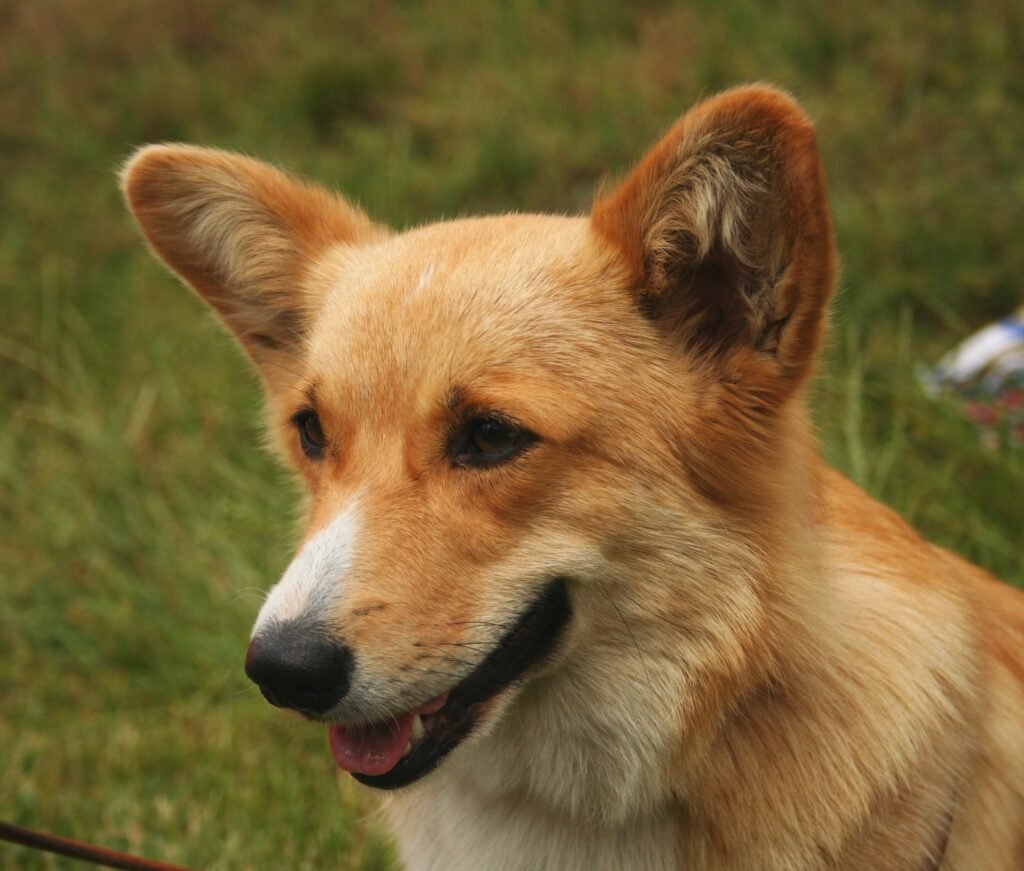
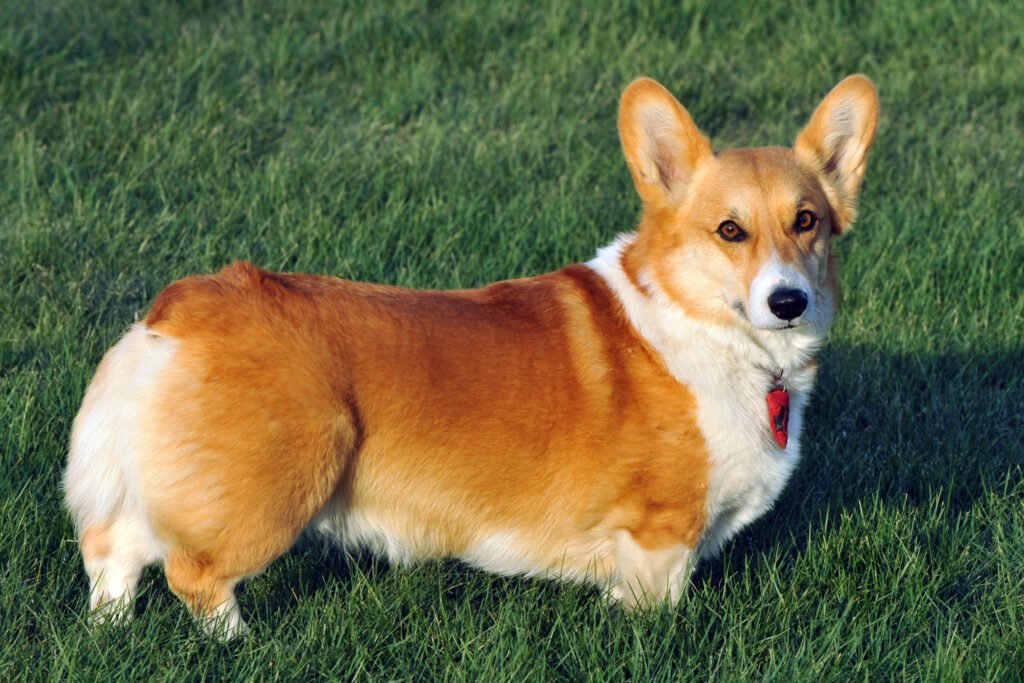
Discover the charming Pembroke Welsh Corgi, exploring its rich history, unique physical characteristics, intelligence, and ideal living conditions for this affectionate and trainable breed.
🏛️ Origin and History
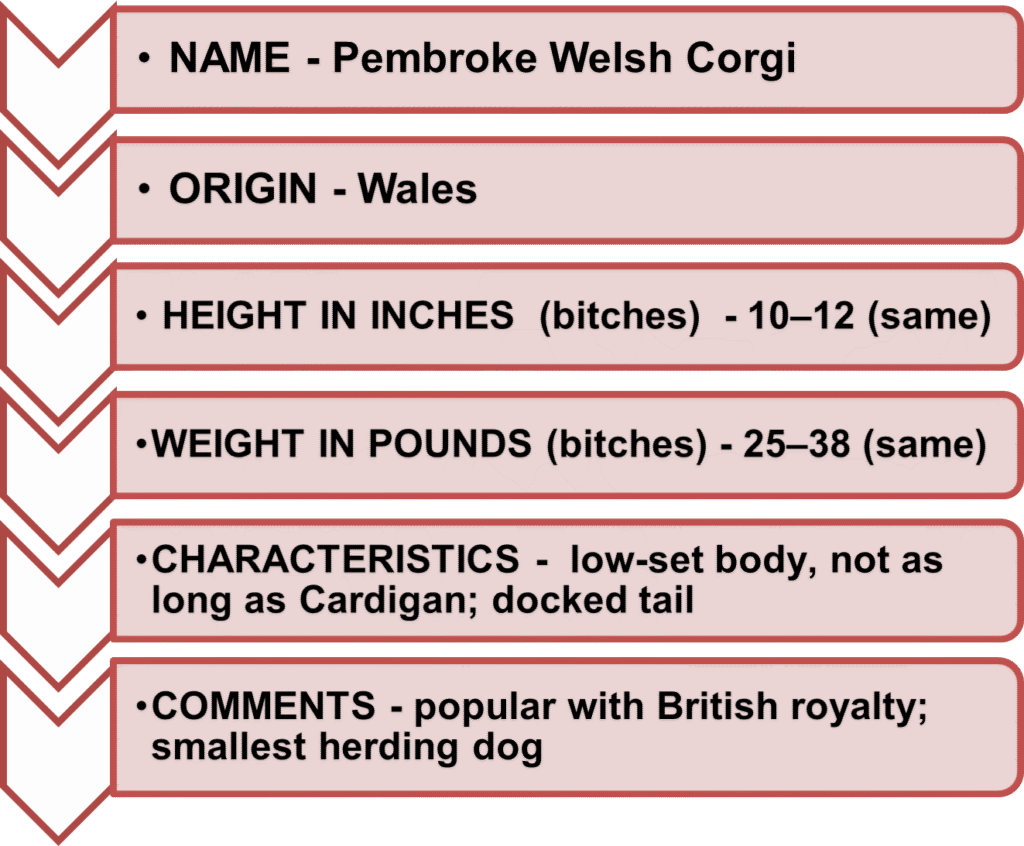
The legacy of the Pembroke Welsh Corgi stretches back over a millennium, believed to have been brought to Wales by Flemish weavers in the 10th century. Originally employed as herding dogs for cattle and sheep, their low stature allowed them to nip at the heels of larger animals without the risk of injury. This practical trait, combined with their inherent enjoyment of working alongside humans, made them indispensable farm companions. Their historical significance was further amplified by their association with British royalty, particularly Queen Elizabeth II, who favored the breed since receiving her first Corgi, Dookie, in 1933. This connection to the monarchy has bestowed upon the breed a sense of nobility, captivating dog lovers around the world.
🐕 Physical Characteristics
The Pembroke Welsh Corgi is easily recognizable with its short, sturdy body, which is slightly longer than it is tall. Their strong legs offer agility in various terrains, a nod to their herding roots. One of the breed’s most distinctive features is their large, expressive eyes that reflect their intelligence and alertness. Erect ears add to their imposing presence despite their small size. The medium-length, dense, and water-resistant coat comes in several colors, including fawn, red, and black with tan markings, often adorned with white accents on the chest and face.
🧠 Intelligence and Trainability
Corgis are renowned for their intelligence and quick learning abilities, making them highly trainable. Their eagerness to engage with humans fosters a productive training environment. Early socialization and consistent reinforcement can help shape their behavior and ensure they are well-adjusted companions.
⚡Temperament and Behavior
Pembroke Welsh Corgis exhibit a friendly and sociable disposition. They enjoy interacting with humans and other animals, making them excellent family pets. Their playful nature is balanced with loyalty and affection, creating a strong bond with their owners. Corgis thrive in environments where they can interact, play, and be part of the family dynamics.
🏃 Exercise and Mental Needs
As an active breed, Pembrokes require regular exercise to maintain their physical health and mental stimulation. Daily walks, playtime, and interactive games are essential to keep them engaged and fulfilled. Their intelligent nature means they also benefit from activities that challenge their minds, such as puzzle toys and training sessions.
❤️ Health and Lifespan
The average lifespan of a Pembroke Welsh Corgi ranges from 12 to 15 years, with proper care and regular veterinary check-ups. While generally a healthy breed, they can be predisposed to certain health issues, including hip dysplasia, degenerative myelopathy, and eye conditions. Regular exercise and a balanced diet play a significant role in their overall well-being.
🏡 Ideal Home
Pembroke Welsh Corgis adapt well to various living situations but thrive in homes that can provide ample social interaction and physical activity. Families, retirees, and individuals with a passion for companionship will find a loyal friend in a Corgi. A secure yard for play and exploration is beneficial, but they can also adjust well to apartment living as long as their exercise needs are met.
✨ Final Thoughts
Overall, the Pembroke Welsh Corgi is a breed that embodies charm, intelligence, and loyalty. Their blend of playful exuberance and steadfast companionship ensures they capture the hearts of anyone fortunate enough to welcome them into their lives. Whether serving as a diligent herding aide or a devoted family pet, the Pembroke Welsh Corgi remains a beloved symbol of joy and affection within the canine world. Their rich history and dynamic personality continue to endear them to dog enthusiasts everywhere, affirming their status as a cherished breed for generations to come.
The Old English Sheepdog: The Gentle Giant
Discover the charming Old English Sheepdog, known for its distinctive coat and friendly personality


.jpg)


🏛️ Origin and History
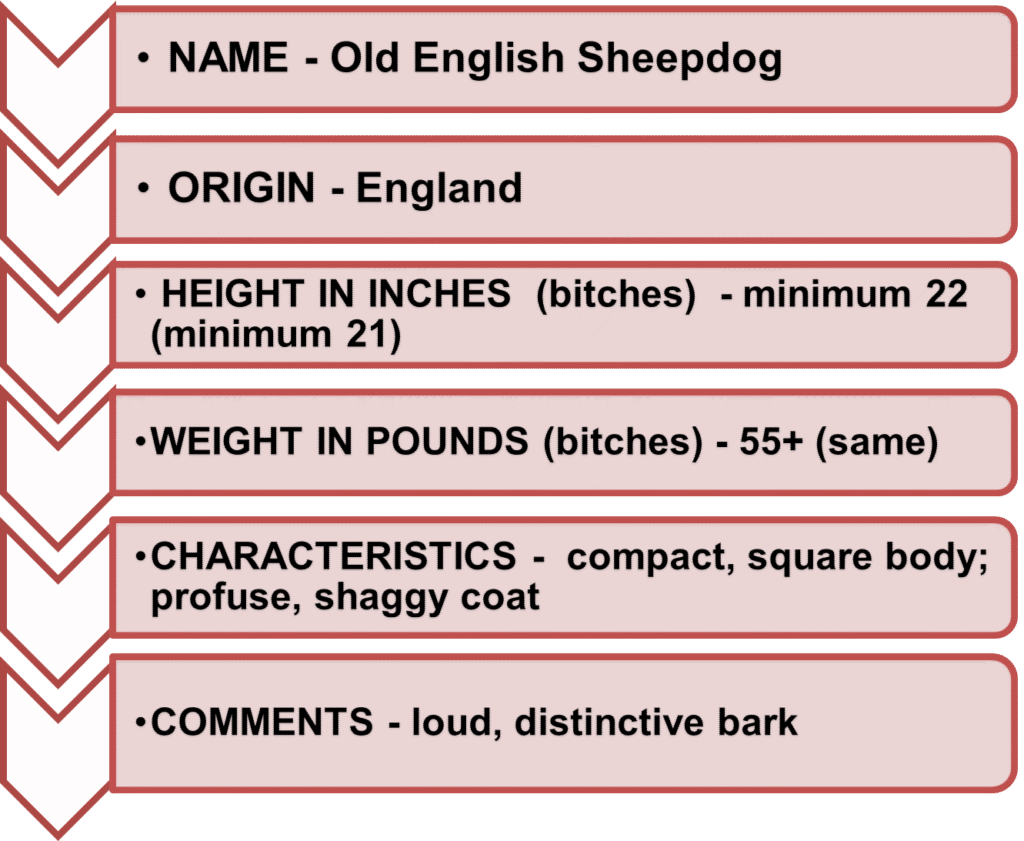
Originating in England, the Old English Sheepdog has a storied past as a skilled herding dog. Historically, these dogs were invaluable to farmers, expertly managing flocks of sheep and cattle across the rugged pastures of the countryside. With their strong herding instincts and work ethic, they were pivotal in shaping agricultural practices, making them cherished companions for rural families.
🐕 Physical Characteristics
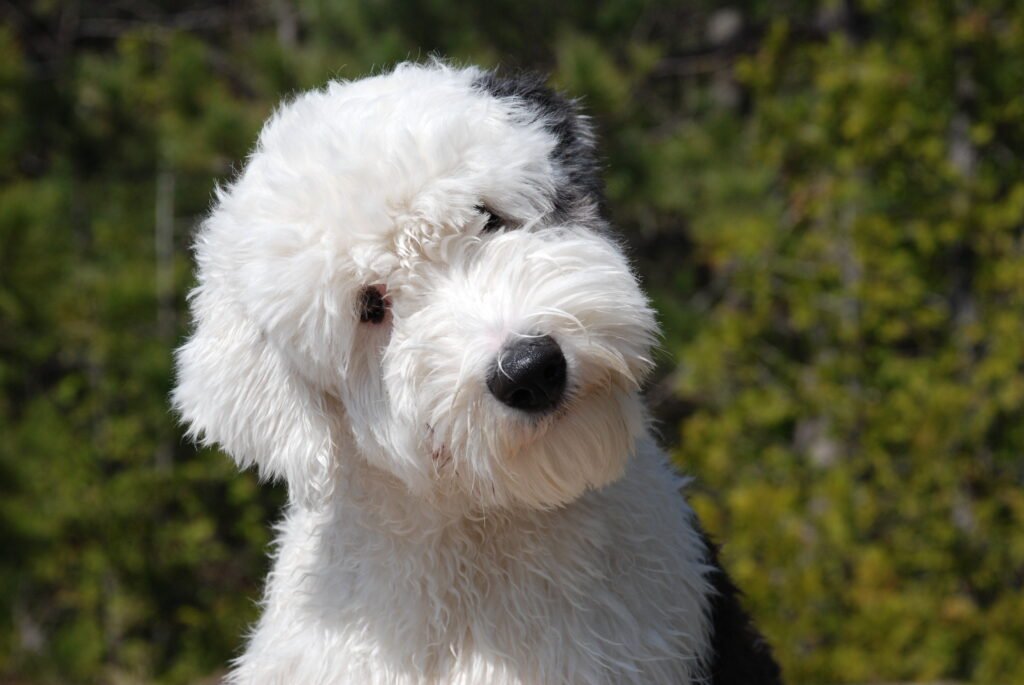
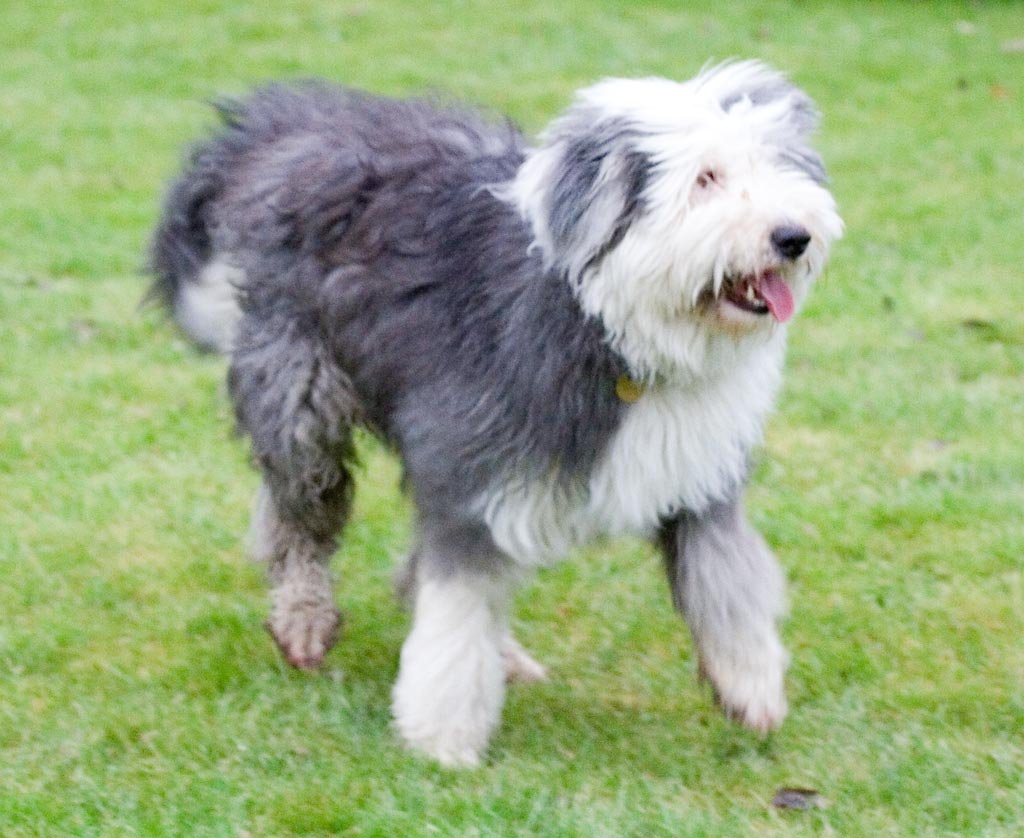
The Old English Sheepdog is easily identifiable by its large, square-shaped frame and its thick double coat, which is typically a beautiful blend of gray and white. Its coat can often reach floor length, providing insulation against harsh weather conditions while contributing to a somewhat whimsical appearance. Beneath their fluffy exterior lies a robust and muscular build, reflecting their origins as hardworking herders.
🧠 Intelligence
Known for their keen intelligence, Old English Sheepdogs are quick learners and often excel in obedience training. Their problem-solving skills are impressive, making them capable of taking initiative when faced with challenges. This intelligence, combined with their natural herding instinct, makes them versatile dogs that can adapt to various tasks, from obedience competitions to agility courses.
🧠 Trainability
These dogs are generally trainable, thanks to their eagerness to please and their strong desire for human companionship. Positive reinforcement methods work best, as harsh training techniques can lead to stubbornness or anxiety in the breed. Regular socialization and consistent training are crucial to ensuring they develop into well-mannered companions.
⚡Temperament and Behavior
The temperament of the Old English Sheepdog is renowned for being calm, affectionate, and loyal. They form strong bonds with their families and are great with children and other pets, making them ideal family dogs. Their natural herding behavior can sometimes translate into a desire to herd children or other animals, but with proper training, this instinct can be managed effectively.
🏃 Exercise and Mental Needs
Old English Sheepdogs are active dogs that require regular exercise to maintain their physical and mental well-being. Daily walks, playtime, and mental stimulation are essential to prevent boredom, which can lead to destructive behavior. Engaging them with interactive toys, agility training, or obedience challenges can satisfy their intellectual needs.
❤️ Health and Lifespan
Generally, the Old English Sheepdog has a lifespan of around 10 to 12 years. However, like all breeds, they are susceptible to specific health issues, including hip dysplasia, eye conditions, and certain skin problems. Regular veterinary check-ups and a balanced diet are crucial in maintaining their overall health.
🏡 Ideal Home
The ideal home for an Old English Sheepdog is one that provides ample space for exercise and play. They thrive in environments where they can be part of family activities, especially in homes with children or other pets. A secure backyard where they can roam freely is beneficial, but they should also be included in daily family life to meet their social needs.
✨ Final Thoughts
In conclusion, the Old English Sheepdog is a remarkable breed that captures hearts with its unique aesthetic and amiable personality. From its roots as a hard-working herding dog to its role as a beloved family pet, this breed successfully merges utility with companionship. Owning an Old English Sheepdog means more than just having an attractive dog; it’s about welcoming a loyal and intelligent partner that significantly enhances the lives of those fortunate enough to share their home with this extraordinary breed.
Herding Group Comparative Table
| Breed | General Appearance | Temperament | Coat | Exercise Needs | Key Traits | Trainability | Best For |
| Old English Sheepdog | Large, shaggy, witha distinctive bobtail or docked tail | Gentle, affectionate and playful | Thick, shaggy, dobule coat | Moderate (daily walks + play) | intelligent, good family dogs, may be stubborn | Moderate; can be stubborn but responds well to positive reinforcement | Familu pets, herding, companionship |
| Pembroke Welsh Corgi | Short, sturdy body with a foxy face and ears | Loyal, outgoing and playful | Weather-resistant, medium length | Moderate (daily exercise + mental stimulation | Good with families, intelligent, can be vocal | Highly trainable, eager to please with strong work ethic | Family pets, herding, agility |
| German Shepherd | Strong, athletic and well-proportioned | Loyal, courageous and confident | Dense, double coat | High (daily exercise + training) | Versatile working dog, protective, highly trainable | Highly trainable; intelligent and eager to learn | Servicework, protection, police/military |
| Border Collie | Medium-sized with an agile build | Energetic, intelligent and eager to please | Medium length, smooth or rough | Very high (needs lots of exercise and mental challenges | Excellent herders, very trainable, needs stimulation | Extremely trainable, highly intelligent and energetic | Herding, agility, competitive sports |
| Bearded Collie | Medium-sized with a shaggy coat and beard | Friendly, playful and energetice | Long, flowing double coat | High (daily exercise and play) | Good natured, excellent family pets | Moderate to high trainability, they are intelligent and eager to learn | Family pets, herding, active companions |
| Australian Shepherd | Medium-sized, agile with a bushy tail | Energetic, intelligent and loyal | Medium length, varies in texture | High (requires significant exercise and mental enrichment0 | Versatile working dog, very trainable | Highly trainable; very intelligent, active and responsive | Active families, herding, sports |
| Australian Cattle Dog | Compact, muscular build with a distinct coat pattern | Intelligent, loyal and energetic | Short dense, weather-resistannt | High (needs daily exercise and mental stimulation | Good with families, intelligent, can be vocal | High trainable; intelligent and energetic | Herding, active companions, work tasks |