
A. Types of Dogs
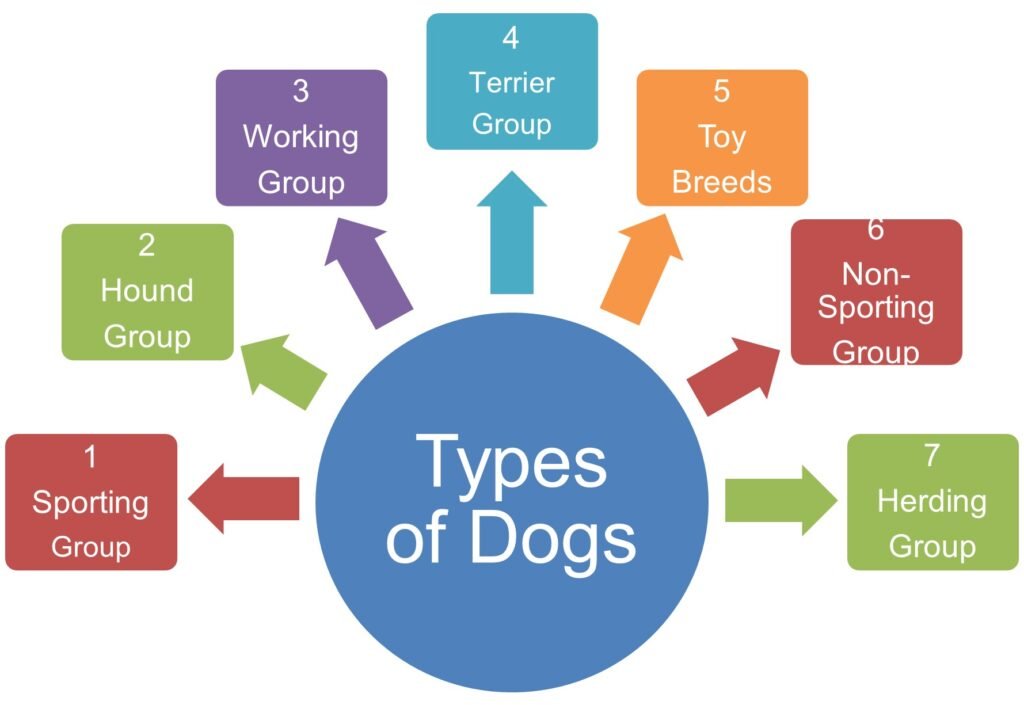
A.2. Hound Dog Group: Masters of Scent, Speed, and Hunting Instinct
Explore Hound dog breeds known for their incredible sense of smell and hunting skills. Learn about their history, traits, and why they make loyal companions
Hound dog breeds are a unique group of dogs known for their exceptional hunting abilities and keen sense of smell. For centuries, they have assisted hunters in tracking and chasing game, making them an essential part of hunting traditions around the world.
A Rich History of Hunting Excellence
The history of Hound dogs dates back thousands of years, with evidence found in ancient artwork and literature. These dogs were carefully bred for their hunting skills, with different breeds specializing in tracking specific types of game. Their ability to follow scents over long distances made them invaluable to hunters.
Exceptional Senses and Abilities
Hound dogs are best known for their powerful sense of smell and tracking instincts. Some rely heavily on scent, while others use sight and speed to pursue prey. This combination of abilities makes them one of the most effective hunting groups among all dog breeds.
From Hunters to Companions
Over time, Hound dogs have evolved from purely working animals into beloved family companions. They are admired for their loyalty, intelligence, and friendly nature, making them suitable for both active individuals and households seeking devoted pets.
Why Hound Dogs Stand Out
What sets Hound dogs apart is their independence, endurance, and determination. These traits, developed through centuries of hunting, make them both fascinating and rewarding companions for owners who understand their needs.
Final Thoughts
Hound dog breeds represent a perfect blend of history, skill, and companionship. From their ancient origins as expert hunters to their modern role as loyal pets, they continue to capture the admiration of dog lovers worldwide. Whether valued for their tracking abilities or their affectionate nature, Hounds remain one of the most distinctive and cherished groups of dogs.
Sample Dogs under Hound Group
Afghan Hound: The Elegant and Majestic Sighthound
Discover the Afghan Hound’s history, elegant appearance, and unique personality. Learn why this regal breed stands out among sighthounds worldwide.
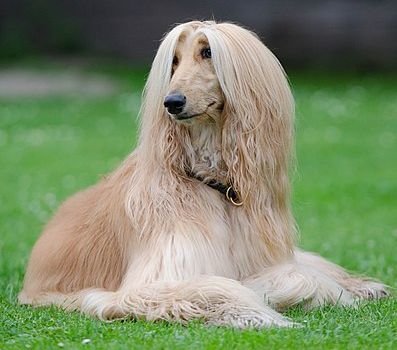
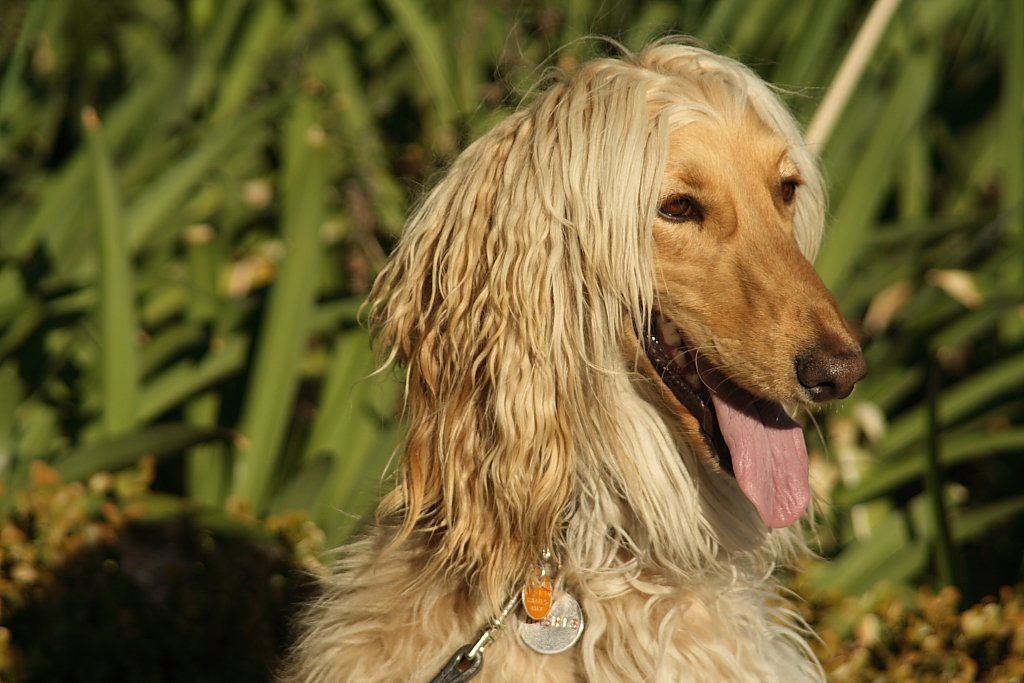
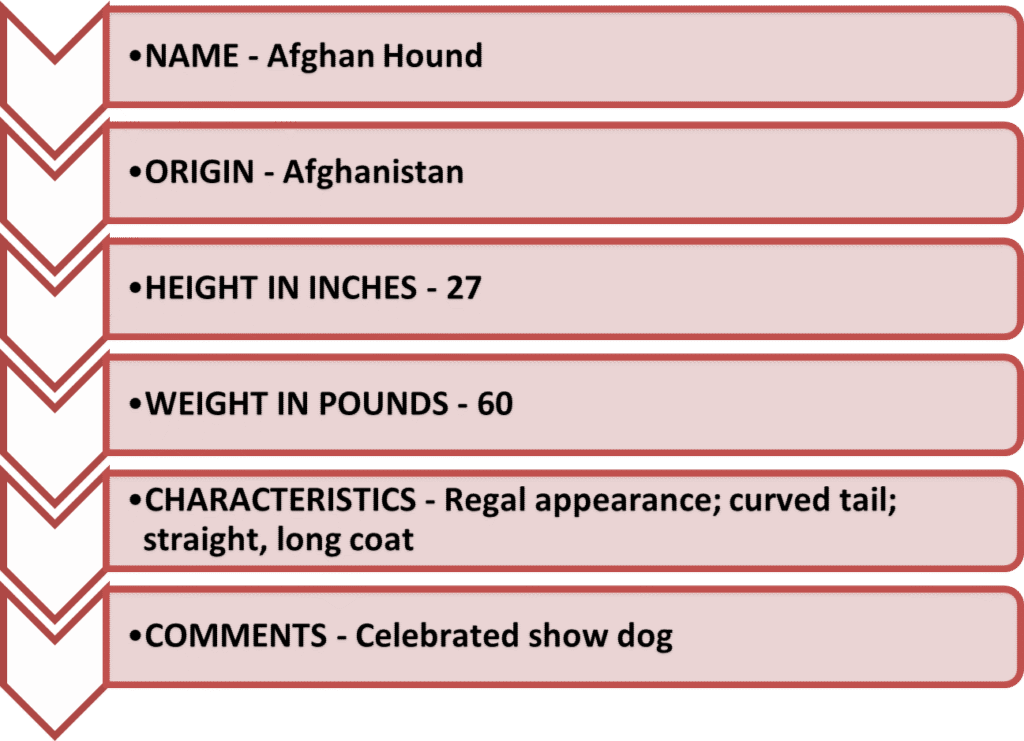
The Afghan Hound is a majestic and elegant breed known for its long, silky coat and regal appearance. Originating from the mountainous regions of Afghanistan, this sighthound has a rich history and distinctive traits that set it apart from other dog breeds.
Ancient Origins and Heritage
The Afghan Hound’s origins date back thousands of years to the rugged mountains of Afghanistan. Bred by nomadic tribes, these dogs were used to hunt hares, foxes, and even leopards. Their exceptional eyesight and remarkable speed allowed them to pursue prey across difficult terrain with precision and endurance.
Luxurious Coat and Unique Appearance
One of the most striking features of the Afghan Hound is its long, flowing coat. This luxurious fur comes in a wide range of colors, from cream to black, including patterns such as brindle or domino. While beautiful, the coat requires regular grooming to maintain its silky texture and prevent tangles.
Graceful Build and Movement
Afghan Hounds are known for their slender, athletic build and graceful movements. They have a long, narrow head with a straight muzzle and ears that fall elegantly לצד their face, giving them a dignified and noble expression. Their fluid gait reflects both strength and elegance, making them stand out in motion.
Personality and Temperament
In addition to their physical beauty, Afghan Hounds possess an independent and sometimes aloof personality. While they can be affectionate with their families, they often display a reserved nature. This independence, combined with intelligence, means they may require patient and consistent training.
Why the Afghan Hound Stands Out
The Afghan Hound stands out for its combination of beauty, history, and athletic ability. It is equally admired in the show ring and appreciated as a unique companion for those who understand its distinct personality and care needs.
Final Thoughts
The Afghan Hound is a breed that embodies grace, elegance, and heritage. With its striking appearance, independent spirit, and athletic capabilities, it continues to captivate dog lovers around the world. While its grooming and training requirements may require dedication, those who appreciate this remarkable breed are rewarded with a loyal and truly unique companion.
Basenji: The Unique Barkless Dog with a Wild Heritage
Discover the Basenji’s unique barkless nature, African origins, intelligence, and personality. Learn why this rare breed is unlike any other dog.
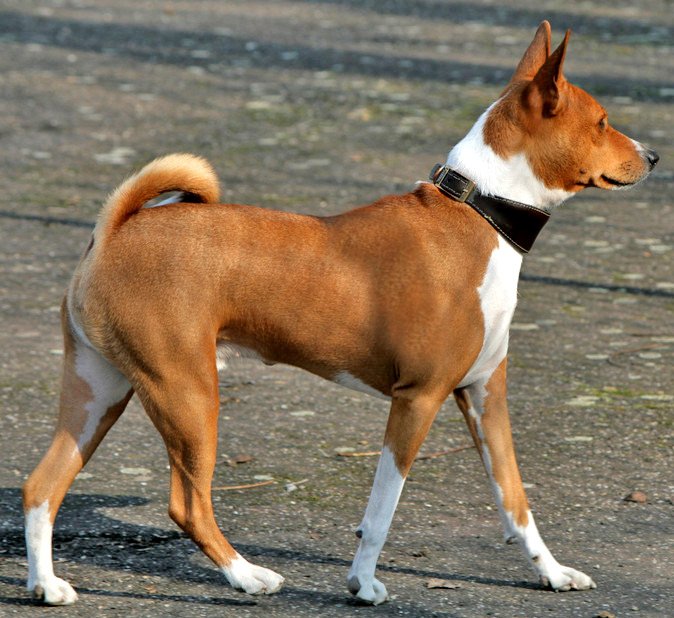
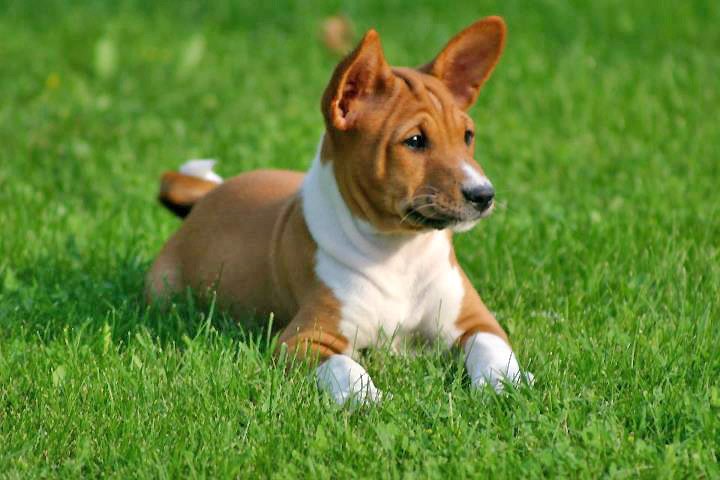
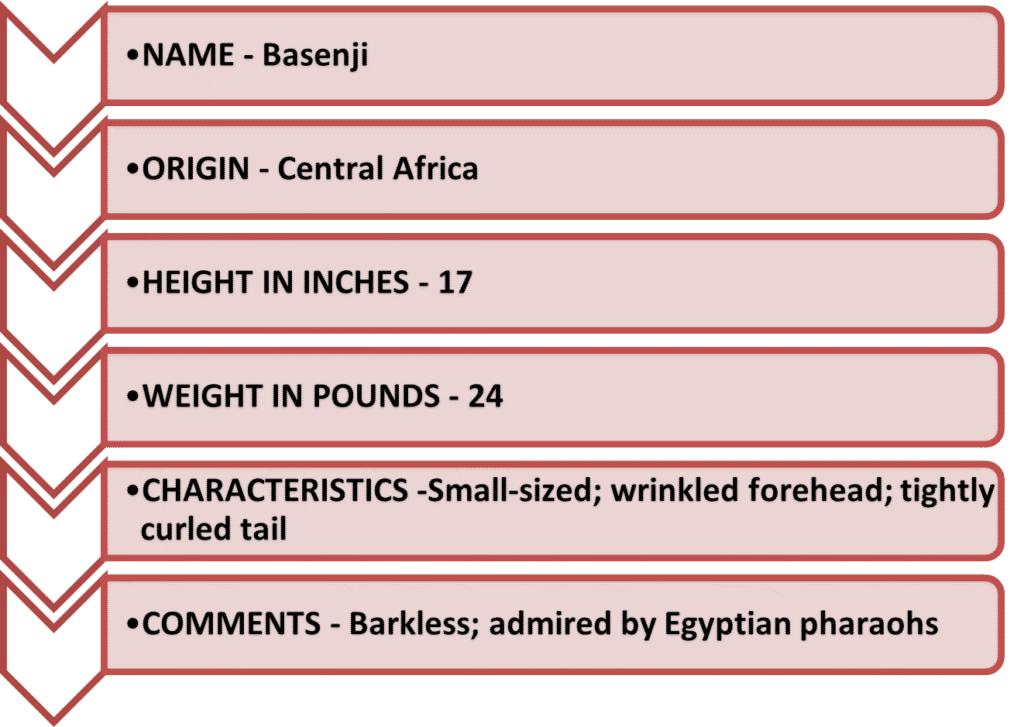
The Basenji is a remarkable and unique dog breed that originates from Africa. Known for its intelligence, independence, and elegant appearance, this breed stands out among other dogs for its distinctive traits and fascinating history.
Origins in Africa
The Basenji’s unique traits can be traced back to its origins in Africa, where silence was essential for successful hunting. By avoiding loud barking, these dogs were able to track and approach prey without alerting other animals, making them highly effective hunters.
History as a Skilled Hunting Dog
For centuries, Basenjis have been used by African tribes as hunting companions. Their keen sense of smell and sharp eyesight made them excellent at tracking and flushing out game. Their agility and quick reflexes further enhanced their effectiveness in the field.
Intelligence and Independent Nature
Basenjis are exceptionally intelligent but highly independent, often displaying a cat-like aloofness toward their owners. Unlike many domesticated breeds, they exhibit low handler-dependence, a trait shaped by their history as self-reliant hunters. This independence requires patient, consistent training and an understanding of their unique temperament.
The Famous “Barkless” Dog
One of the most distinctive features of the Basenji is its lack of traditional barking. Often called the “barkless dog,” the Basenji communicates through a variety of sounds such as yodels, howls, and growls. This unusual vocalization makes the breed both intriguing and appealing to many dog lovers.
Unique Vocalization: The “Baroo”
Instead of a typical bark, the Basenji produces a distinctive sound often described as a “baroo.” This unusual vocalization is due to a morphologically narrow laryngeal ventricle, which limits the ability to produce a conventional bark. As a result, Basenjis communicate through yodel-like sounds, howls, and other vocal expressions.
Cat-Like Behaviors and Cleanliness
Basenji is known for behaviors more commonly associated with cats. These include:
• Self-grooming habits similar to felines
• A strong preference for cleanliness
• Impressive vertical climbing and jumping abilities
These traits contribute to their reputation as one of the cleanest and most independent dog breeds.
Prey Drive and Hunting Instincts
The Basenji exhibits a high prey drive, driven by rapid activation of the predatory motor pattern within the canine brainstem. This makes them highly responsive to movement and capable of quick, instinctive pursuit. Their agility and speed further enhance their effectiveness as hunting dogs.
Inherited Health Conditions
Like many purebred dogs, Basenjis are associated with several inherited conditions that responsible owners and breeders should be aware of:
• Fanconi Syndrome – a genetic kidney disorder affecting glucose reabsorption
• Progressive Retinal Atrophy (PRA) – a condition leading to inherited blindness
• Hemolytic Anemia (Pyruvate Kinase Deficiency) – causes red blood cell breakdown
• Hip Dysplasia – a malformation of the hip joint
• Hypothyroidism – a disorder affecting metabolism
Advances in Genetic Testing
Modern DNA testing has significantly improved the health outlook of the breed. Responsible breeders now use genetic screening to reduce or eliminate conditions such as Fanconi Syndrome from breeding lines, helping to ensure healthier future generations.
A Biologically Unique Breed
The Basenji is widely regarded as one of the most biologically unique dog breeds. It is genetically ancient, neurologically independent, and biomechanically optimized for speed and agility. Its silent vocal anatomy, once-yearly reproductive cycle, and strong prey drive distinguish it from most domesticated dogs.
Why the Basenji Stands Out
What makes the Basenji truly special is its combination of elegance, intelligence, and individuality. Its quiet nature, sleek build, and curious personality set it apart from more conventional dog breeds.
Final Thoughts
The Basenji stands out as a truly extraordinary breed, combining ancient lineage with highly specialized traits. Its intelligence, independence, and unique biology make it both fascinating and challenging to own. For those who appreciate a dog with individuality and depth, the Basenji offers a rewarding and unforgettable companionship experience.
Basset Hound: The Gentle Scent Tracker with a Laid-Back Charm
Basset Hound: The Gentle Scent Tracker with a Laid-Back Charm


.jpg)


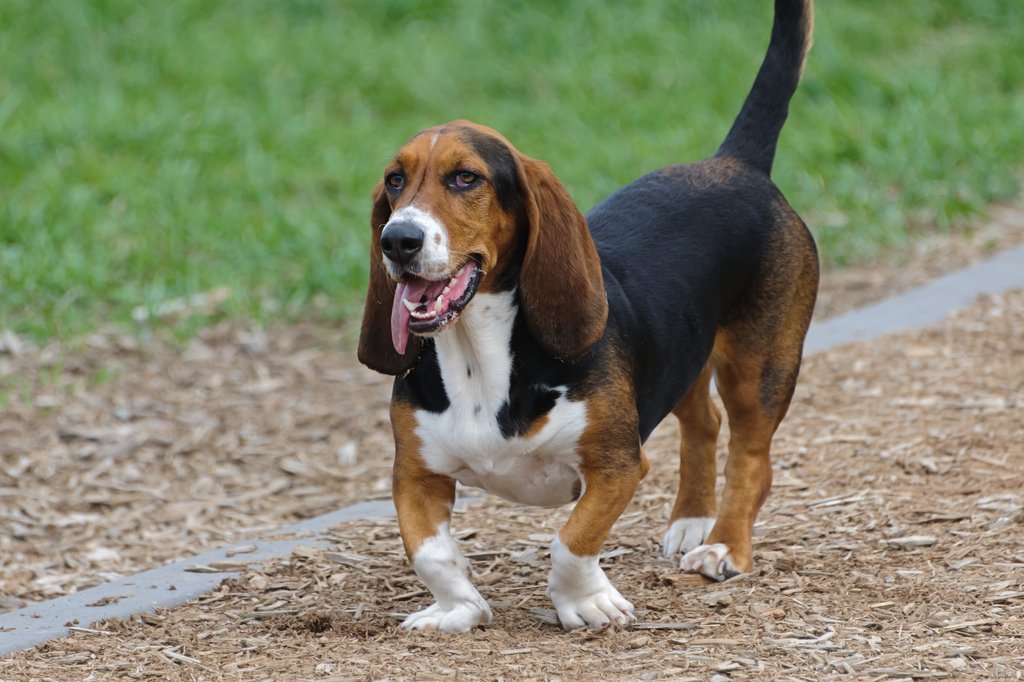
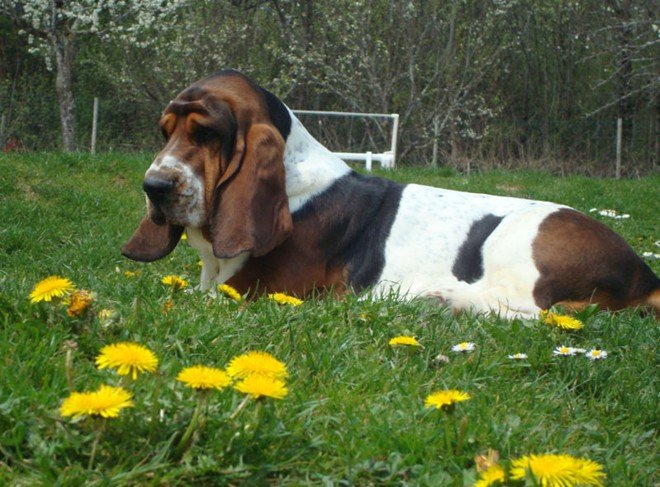
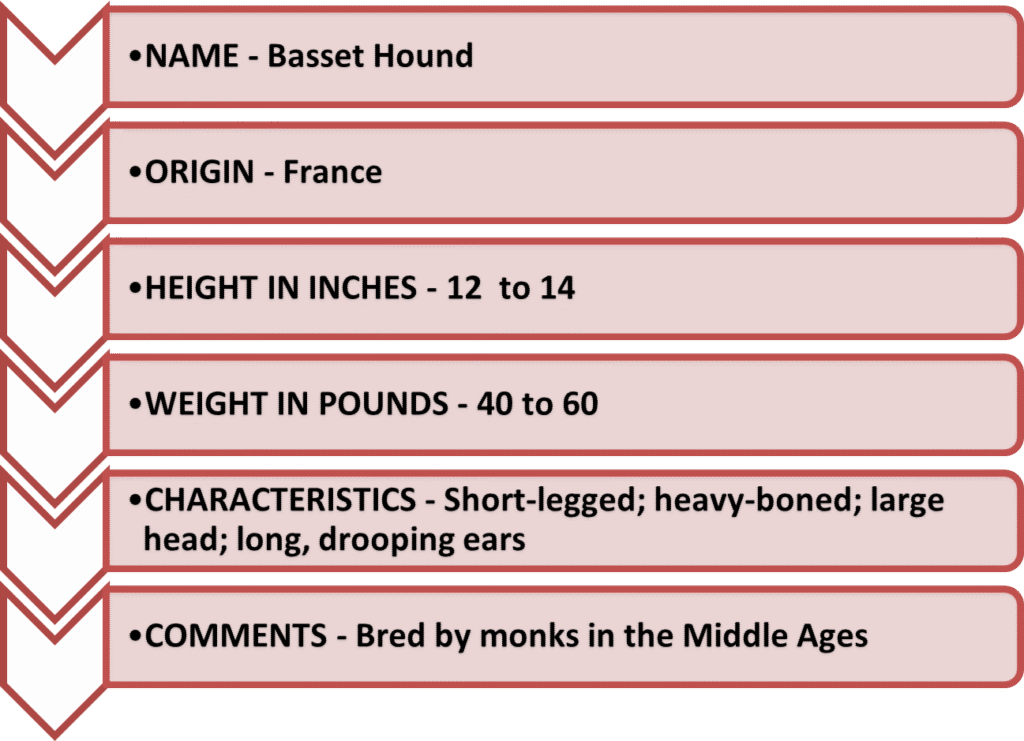
The Basset Hound is one of the most recognizable and beloved dog breeds, known for its long ears, soulful eyes, and exceptional sense of smell. Originally bred for hunting, this low-slung hound has become a cherished companion thanks to its gentle nature and laid-back personality.
Distinctive Appearance
First and foremost, the Basset Hound stands out because of its long, floppy ears that nearly touch the ground. These ears are not just adorable—they serve an important function by sweeping scents upward and directing them toward the dog’s powerful nose.
Despite their short legs, Basset Hounds are sturdy and muscular dogs. Their deep chest and droopy, expressive eyes give them a soulful look that perfectly reflects their calm and affectionate temperament.
Exceptional Sense of Smell
Basset Hounds are renowned for their superb tracking abilities. As members of the hound group, they possess one of the strongest senses of smell among dog breeds, second only to the Bloodhound. This makes them highly effective scent trackers and excellent hunting companions.
History and Origins
The history of the Basset Hound can be traced back to France, where it was originally bred to hunt small game such as rabbits and hares.
The name “Basset” comes from the French word “bas,” meaning low, which perfectly describes the breed’s short stature. Over time, their tracking abilities and calm demeanor made them popular both as hunting dogs and family pets.
Temperament and Personality
One of the most endearing qualities of the Basset Hound is its laid-back nature. These dogs are typically relaxed and enjoy lounging around the home, making them ideal companions for families and individuals alike.
They are affectionate, loyal, and generally good with children and other pets. However, their strong sense of smell can sometimes make them stubborn, especially when they catch an interesting scent.
Exercise and Activity Needs
Basset Hounds are not known for speed or agility, but they make up for it with endurance and determination. Regular exercise is still important to maintain their health and prevent obesity.
A daily walk or a relaxed play session in the yard is usually enough to keep a Basset Hound happy and satisfied.
Why the Basset Hound Stands Out
With its unique appearance, incredible nose, and gentle personality, the Basset Hound offers a perfect balance of charm and capability. Whether working as a scent tracker or relaxing at home, this breed leaves a lasting impression.
Final Thoughts
The Basset Hound is a truly charming breed that combines a rich hunting heritage with a calm and loving temperament. From their iconic long ears to their remarkable scent-tracking skills, they are both functional and endearing. For those seeking a relaxed yet loyal companion, the Basset Hound is a wonderful choice that brings warmth and personality into any home.
Beagle: The Friendly, Curious, and Loyal Scent Hound
Discover the Beagle’s friendly personality, strong sense of smell, and energetic nature. Learn why this lovable hound is a top family dog.
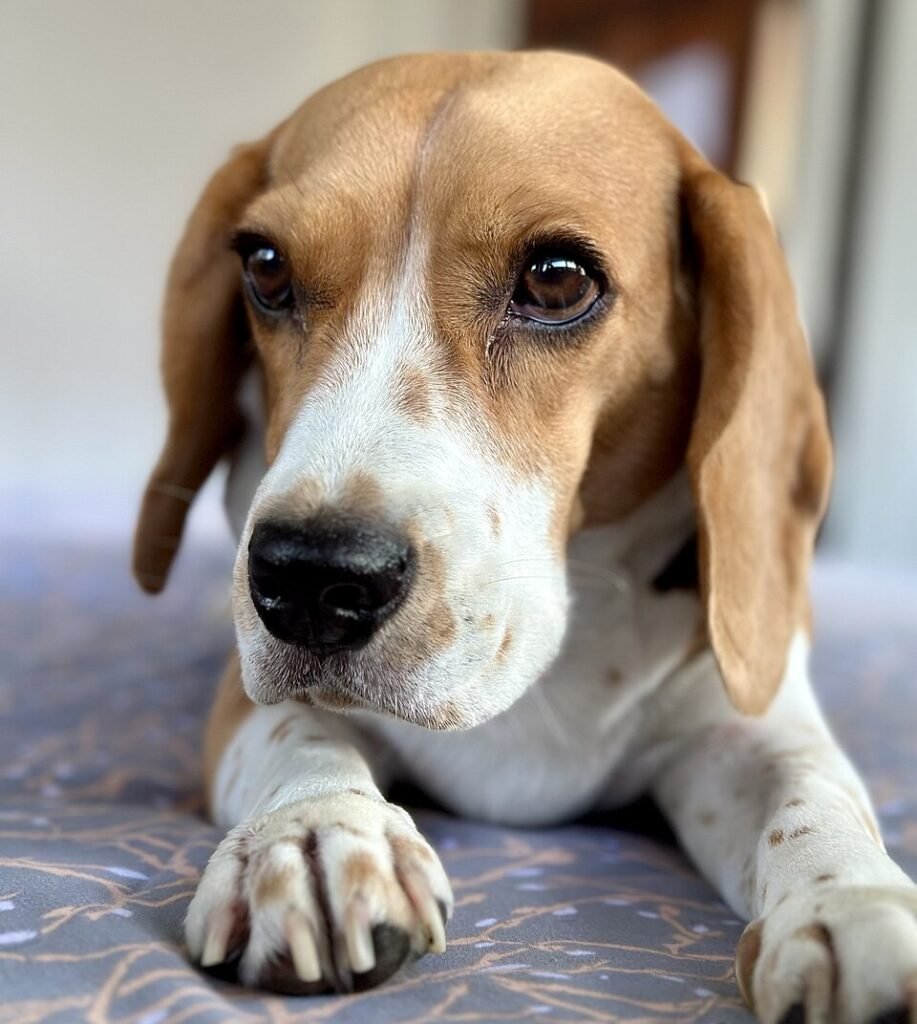



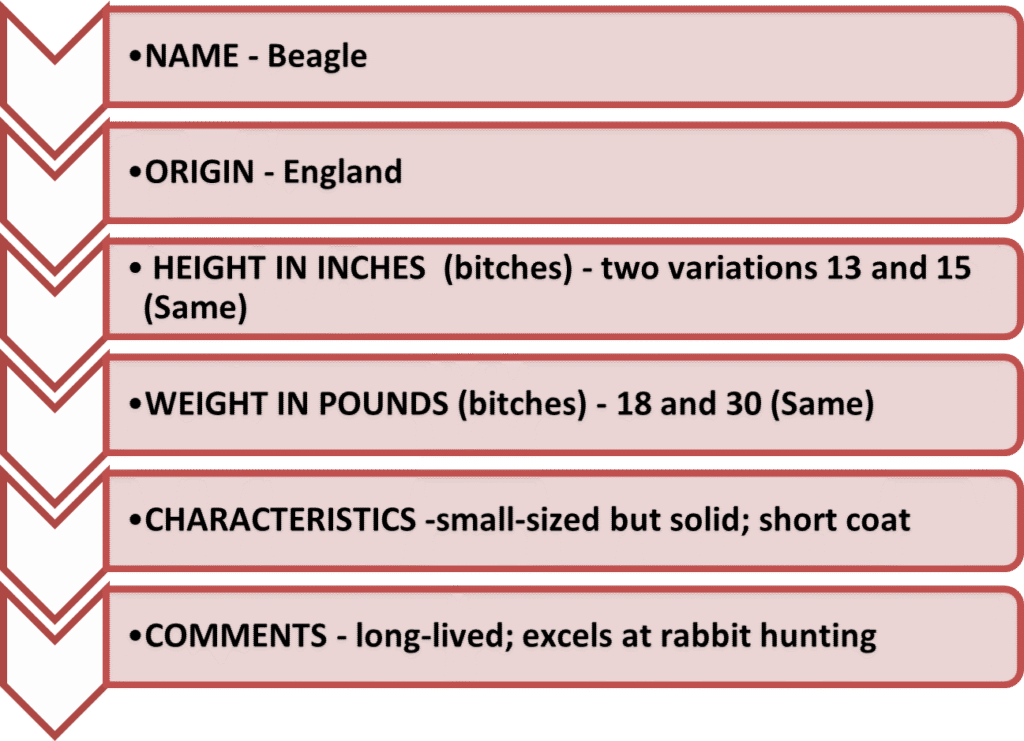
The Beagle is one of the most popular dog breeds in the world, loved for its adorable looks, friendly personality, and loyal nature. Originating from England, this scent hound has won the hearts of dog lovers with its charm, intelligence, and playful spirit.
Distinctive Appearance
They are known for their compact size and striking appearance. They typically have a short, sleek coat that comes in a variety of colors, including tricolor, lemon, and red and white.
Their large, expressive eyes, long floppy ears, and gentle facial expression give them an irresistible charm that appeals to families and dog enthusiasts alike. Despite their small-to-medium size, Beagles are sturdy and athletic, reflecting their origins as hunting dogs.
Friendly and Sociable Nature
One of the most remarkable qualities of the Beagle is its friendly and outgoing personality. Beagles are known for their amiable temperament and tend to get along well with children, other pets, and even strangers.
They thrive on human companionship and form strong bonds with their families. Their affectionate and playful nature makes them excellent family pets and loyal companions.
Energy Levels and Curiosity
Beagles are energetic and naturally curious dogs. As a scent hound breed, they possess a powerful sense of smell and a strong desire to explore their surroundings.
This curiosity means they enjoy outdoor activities, walks, and games that engage both their body and mind. Without enough stimulation, they may become bored and display mischievous behavior.
Hunting Instinct and Scenting Ability
Originally bred for tracking small game such as rabbits, Beagles have an exceptional sense of smell that ranks among the best in the canine world. Their strong scenting instinct can sometimes lead them to follow interesting smells, so supervision and secure spaces are important.
Training and Care
Beagles are intelligent but can be somewhat stubborn due to their independent scent-driven nature. Training requires patience, consistency, and positive reinforcement techniques.
Regular exercise is essential to keep them healthy and happy. Mental stimulation, such as scent games or puzzle toys, can also help satisfy their natural instincts.
Why the Beagle Stands Out
What makes the Beagle truly special is its perfect balance of friendliness, energy, and loyalty. It is a breed that adapts well to family life while still retaining its adventurous and curious spirit.
Final Thoughts
Beagles are much more than just cute faces and wagging tails. They offer a unique combination of affection, intelligence, and enthusiasm for life. Whether as a playmate for children, a walking companion, or a cuddly friend at home, the Beagle brings joy and warmth to any household. With proper care, training, and attention, a Beagle can become a cherished member of the family and a lifelong companion.
Dachshund : The Brave and Playful “Wiener Dog” with a Big Personality
Discover everything about Dachshunds—from personality and coat types to history and care tips. Learn why this loyal and playful breed is a favorite worldwide.

_(Dachshund_(Short)).jpg)
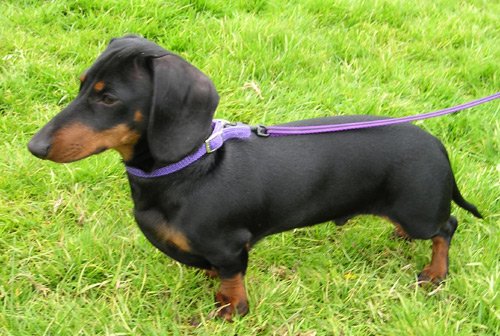

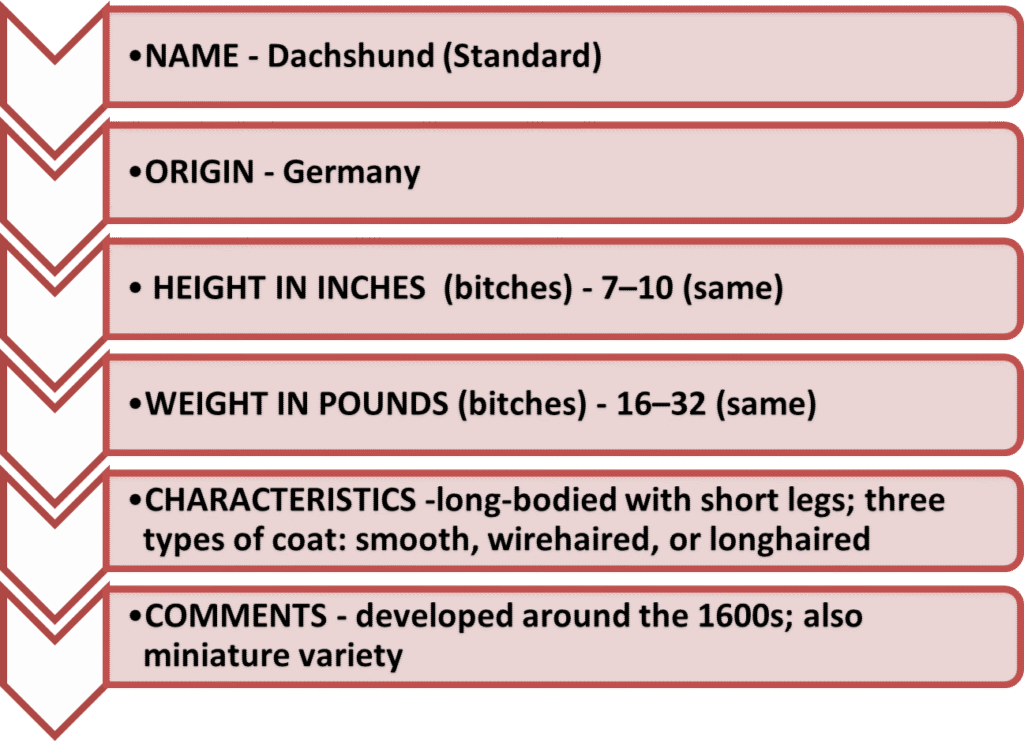
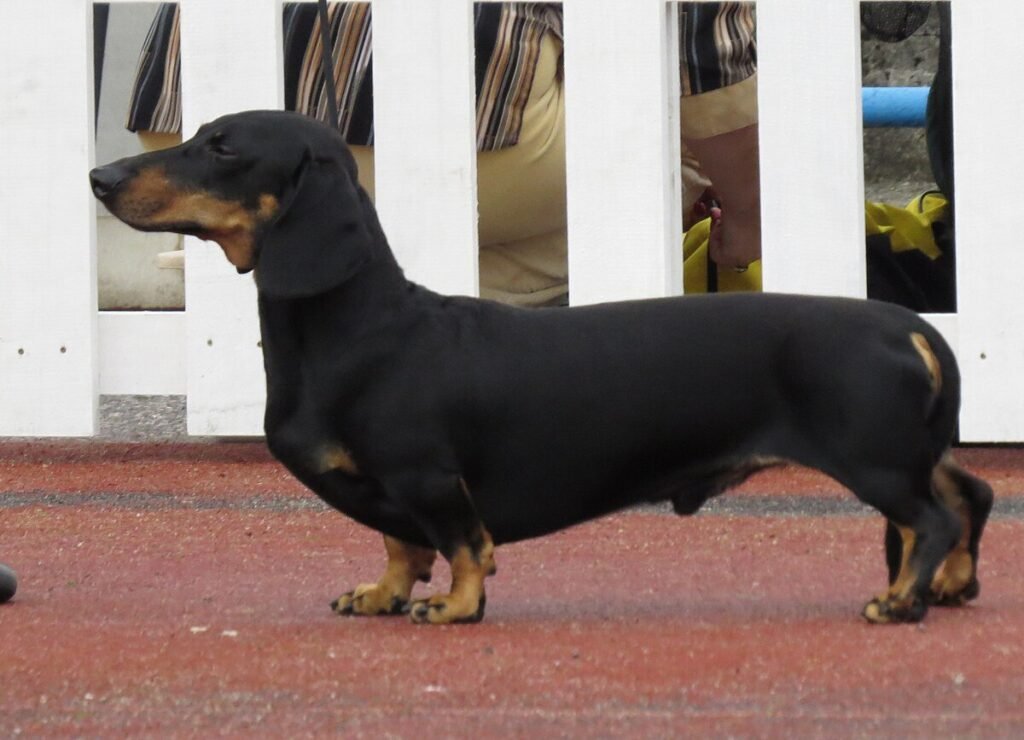
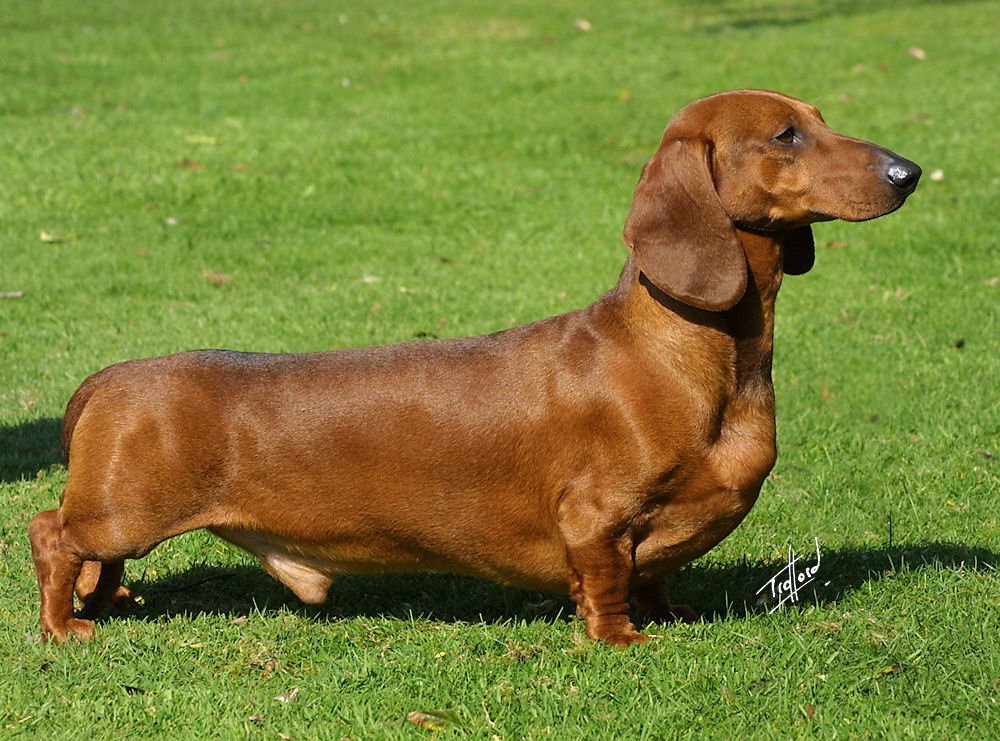
Dachshunds, also known as wiener dogs or sausage dogs, are a unique and beloved breed that has captured the hearts of dog lovers around the world. With their long bodies and lively personalities, they are one of the most recognizable and charming dog breeds today.
Distinctive Appearance
One of the most defining features of the Dachshund is its elongated body and short legs. This unique structure is not just for looks—it was developed through selective breeding to help the dog enter burrows and hunt animals such as badgers and rabbits.
This distinctive shape is what earned them the nickname “wiener dog,” making them instantly recognizable among other breeds.
Personality and Temperament
Despite their small size, Dachshunds are bold, brave, and independent. They have big personalities and are known for being playful, curious, and sometimes mischievous.
They are also deeply loyal and affectionate, forming strong bonds with their families. While they can be stubborn, Dachshunds are intelligent and respond well to training when handled with patience, consistency, and positive reinforcement.
Coat Types and Colors
Dachshunds come in three coat varieties, each with its own grooming needs:
- Smooth Coat – Short, sleek, and easy to maintain
- Longhaired – Soft and flowing, requiring regular brushing
- Wirehaired – Coarse and rugged, with a distinctive texture
They also come in a wide range of colors, including red, black and tan, chocolate, and dapple patterns, giving each dog a unique appearance.
History and Hunting Background
Originating in Germany over 300 years ago, Dachshunds were bred specifically for hunting burrowing animals. In fact, the name “Dachshund” translates to “badger dog” in German.
Their long bodies and strong digging instincts made them highly effective hunters. Even today, many Dachshunds still display these natural instincts, often enjoying digging and exploring their surroundings.
Watchdog Traits
Don’t let their small size fool you—Dachshunds have a surprisingly loud bark. They are naturally alert and protective, making them excellent watchdogs.
They are quick to notify their owners of unfamiliar sounds or visitors, adding an extra layer of security to their homes.
Behavioral Traits and Instincts
Dachshunds exhibit a high prey drive, a trait rooted in their history as hunters of badgers and other burrowing animals. This instinct is deeply ingrained and influences many aspects of their behavior.
They are often driven by strong internal motivation, which can be observed through:
- Boldness – Fearless despite their small size
- Persistence – Determined and unwilling to give up easily
- Stubborn learning style – Independent thinkers that may resist repetitive training
Their heightened territorial awareness also makes them naturally alert. Compared to many toy breeds, Dachshunds tend to react more strongly to unfamiliar sounds or environments, contributing to their effectiveness as watchdogs.
Interestingly, their confidence levels often resemble those of larger working dogs rather than small companion breeds.
Common Health Concerns
Like many purebred dogs, Dachshunds are prone to certain inherited and structural health conditions. Awareness of these issues is essential for prevention and early management.
1. Intervertebral Disc Disease (IVDD)
One of the most significant health concerns in Dachshunds, IVDD affects the spinal discs and can lead to pain, nerve damage, or even paralysis. Due to their long backs, up to 25% of Dachshunds may experience this condition at some point in their lives.
2. Patellar Luxation
This condition involves the dislocation of the kneecap, which can cause discomfort, limping, or difficulty walking.
3. Hip Dysplasia
A malformation of the hip joint that can lead to arthritis and reduced mobility over time.
4. Progressive Retinal Atrophy (PRA)
An inherited eye disorder that gradually leads to vision loss and, eventually, blindness.
5. Epilepsy
Some Dachshunds may develop seizures due to genetic factors, requiring ongoing veterinary management.
6. Obesity Risk
Dachshunds are particularly prone to weight gain. Excess weight significantly increases the risk of spinal issues, especially IVDD, by placing additional pressure on their elongated spine.
Care Considerations
To support a healthy and balanced life for a Dachshund:
- Maintain a healthy weight through proper diet and portion control
- Avoid activities that strain the spine, such as jumping from heights
- Provide consistent training that accounts for their independent nature
- Schedule regular veterinary check-ups for early detection of health issues
Is a Dachshund Right for You?
Dachshunds are a great choice for individuals or families looking for a loyal, energetic, and entertaining companion. However, they do best with owners who understand their independent nature and can provide consistent training and mental stimulation.
Final Thoughts
The Dachshund is a charming and distinctive breed with a rich history and a personality that far exceeds its size. From their iconic appearance to their playful antics and loyal companionship, they continue to bring joy to households worldwide.
Whether you are drawn to their unique shape, loving nature, or lively character, Dachshunds can be a wonderful addition to the right home.
Greyhound: The Fastest Dog with a Gentle and Graceful Soul
Discover the Greyhound dog breed—known for incredible speed, graceful movement, and gentle temperament. Learn about their traits, history, and care needs.
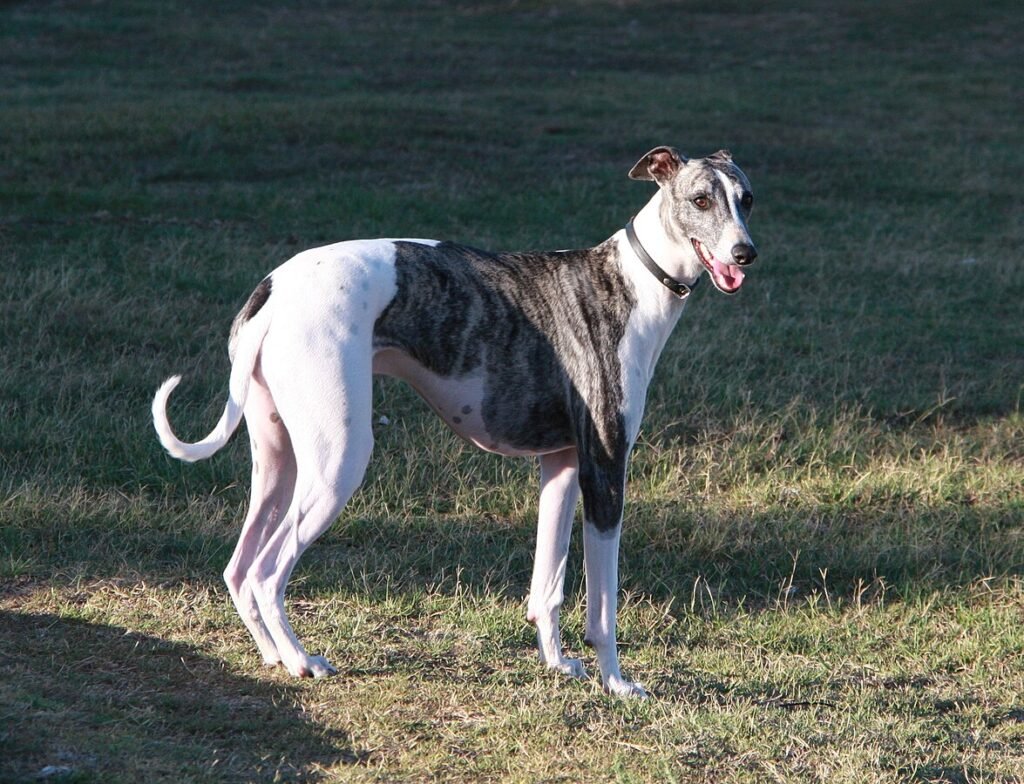


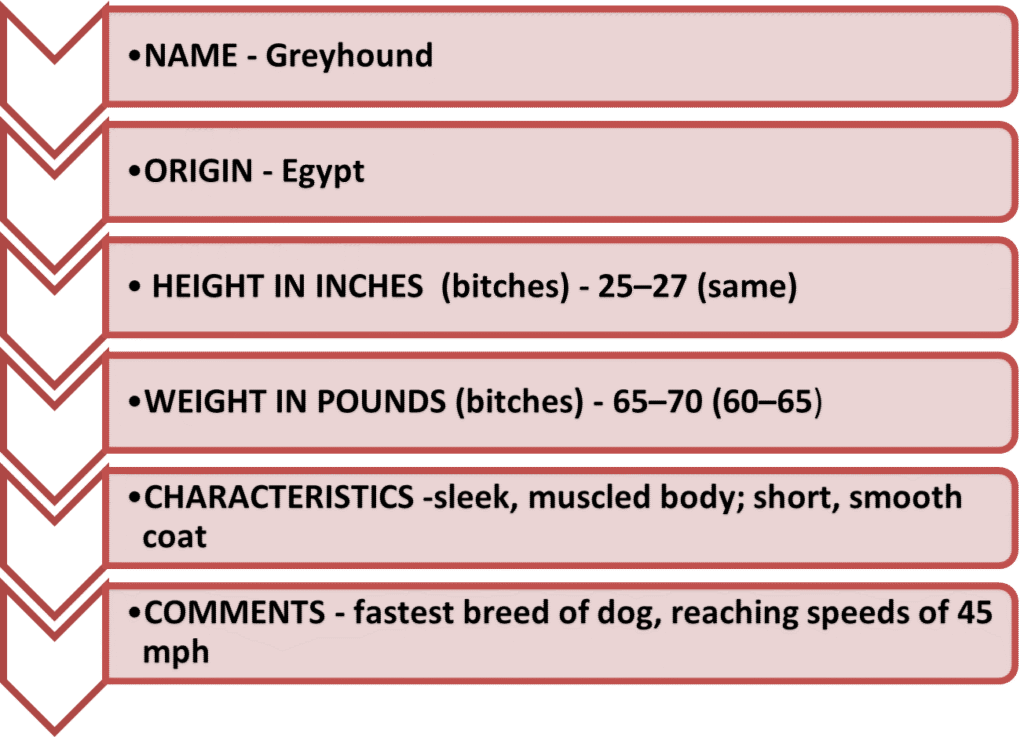 Reference : Britannica
Greyhounds are elegant and graceful dogs that have captured the hearts of people worldwide. Known for their sleek appearance and incredible athleticism, they are considered one of the fastest dog breeds on the planet.
Distinctive Appearance and Build
One of the most striking features of the Greyhound is its slender, aerodynamic physique. Their long legs, deep chest, and narrow waist create a body designed for speed and efficiency.
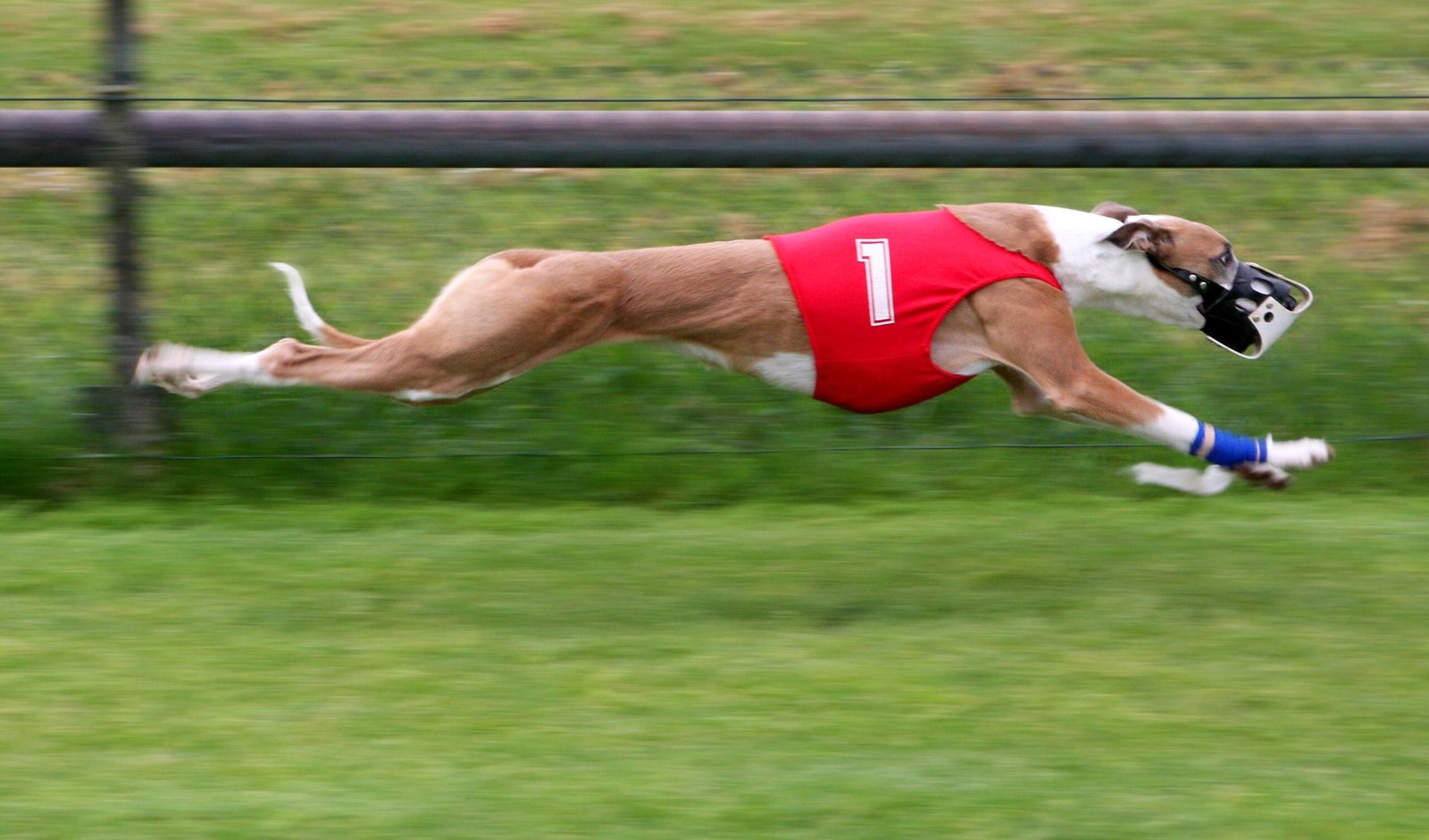
This unique structure allows Greyhounds to reach speeds of up to 45 miles per hour, making them a top choice for racing and competitive spo
Speed and Movement
Greyhounds are famous for their smooth and effortless running style. When in motion, they appear to glide across the ground with remarkable ease.
Their movement is powered by strong muscles and a natural instinct to chase, resulting in a running form that is both graceful and highly efficient. Watching a Greyhound sprint at full speed—with ears pinned back and eyes focused—is truly a captivating sight.
Temperament and Personality
Despite their reputation as elite athletes, Greyhounds are surprisingly gentle and sensitive dogs.
- They are calm and affectionate companions
- They can be sensitive to loud noises and sudden movements
- They thrive in peaceful, stable environments
Their gentle demeanor makes them excellent pets for households looking for a quiet and loving companion.
Vision and Hunting Instincts
Greyhounds possess an exceptional sense of sight, which plays a vital role in their hunting background. As sighthounds, they rely more on vision than scent.
They are capable of spotting movement from up to half a mile away, making them highly effective hunters in open environments. This sharp eyesight, combined with their speed, gives them a strong instinct to chase moving objects.
Living with a Greyhound
Although they are built for speed, Greyhounds are often referred to as “couch potatoes” at home. They enjoy lounging and relaxing just as much as they enjoy short bursts of exercise.
They are best suited for owners who can provide:
- Daily walks and occasional sprint opportunities
- A calm and secure living space
- Gentle handling and positive reinforcement
Final Thoughts
Greyhounds are truly remarkable dogs with a unique blend of speed, elegance, and gentleness. From their aerodynamic build to their affectionate personality, they stand out as one of the most fascinating dog breeds.
Whether racing across a track or relaxing at home, Greyhounds consistently impress with their grace, beauty, and loyal companionship
Irish Wolfhound: The Gentle Giant with a Noble Legacy
Discover the Irish Wolfhound’s massive size, gentle temperament, and rich history. Learn why this noble breed is known as the ultimate gentle giant.
.jpg)
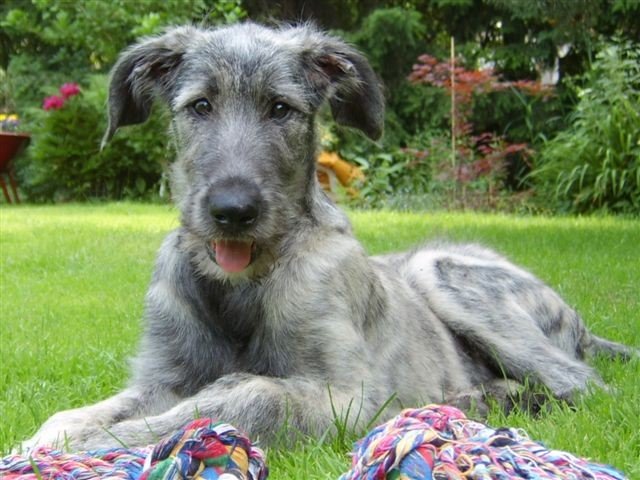

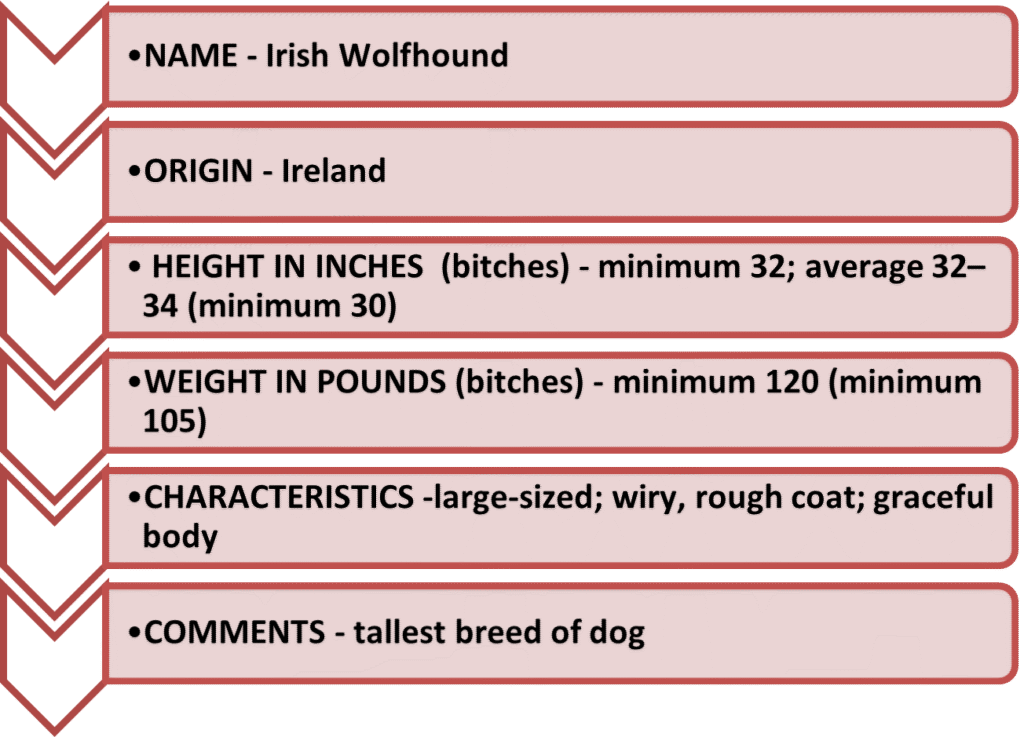
The Irish Wolfhound is one of the most majestic and tallest dog breeds in the world, admired for its impressive size, calm demeanor, and noble history. Despite its commanding presence, this breed is best known for its gentle and affectionate nature, making it a beloved companion for families and dog enthusiasts alike.
Impressive Size and Appearance
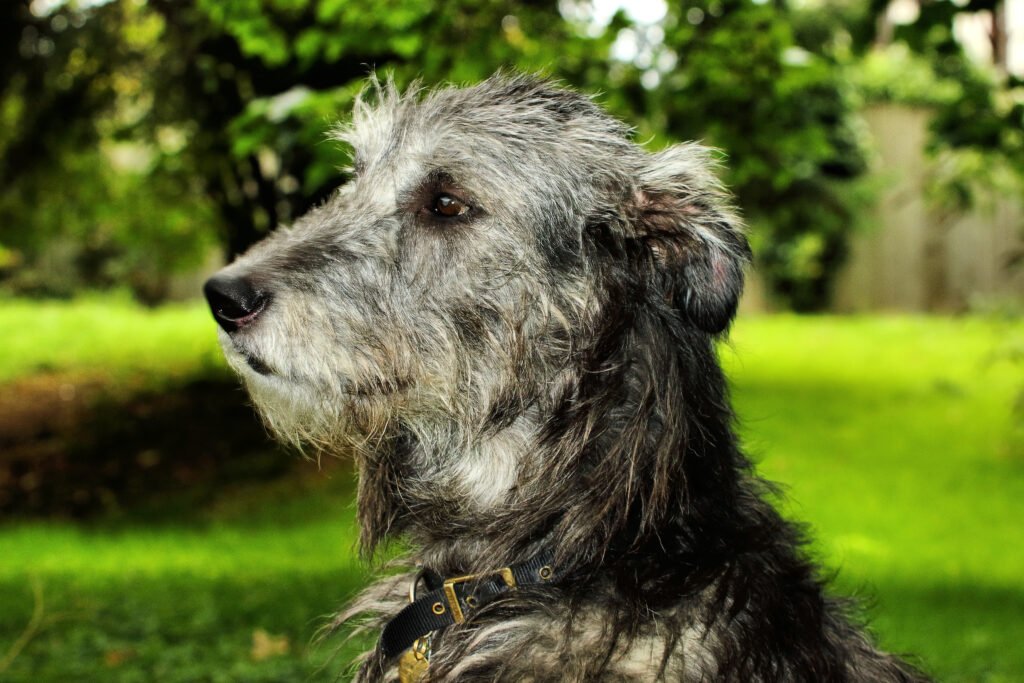
This dog is among the tallest dog breeds in existence, with males standing at least 32 inches tall at the shoulder and weighing between 140 to 180 pounds. Despite their massive size, they move with grace and elegance, displaying both strength and agility.
Their coat is typically rough and wiry to the touch and comes in a variety of colors, including gray, brindle, red, black, white, and fawn. Their overall appearance reflects both ruggedness and dignity.
Gentle and Friendly Temperament
One of the most striking qualities of the Irish Wolfhound is its calm and kind nature. Often referred to as a “gentle giant,” this breed is known for being friendly, patient, and affectionate.
They tend to get along well with children and other pets, making them excellent family companions. Despite their size, they are rarely aggressive and prefer a peaceful, relaxed environment.
Ancient History and Origins
The history of the Irish Wolfhound dates back thousands of years, with evidence suggesting their presence in ancient Ireland as early as 7000 BC. They were originally bred as war dogs and hunting companions, valued for their ability to hunt large game such as wolves, deer, and boar.
Their strength and bravery made them highly prized, and they were often presented as prestigious gifts to royalty and nobility across Europe.
Revival of the Breed
During the 19th century, the Irish Wolfhound faced a significant decline in population. However, dedicated breeders and enthusiasts worked to restore the breed, carefully preserving its unique characteristics.
Thanks to these efforts, the Irish Wolfhound has made a remarkable comeback and is now recognized worldwide as a cherished and iconic breed.
Exercise and Lifestyle Needs
While Irish Wolfhounds are not overly energetic, they still require regular exercise to maintain their health. Gentle walks and moderate activity are usually sufficient, as they are more inclined toward a relaxed lifestyle than high-intensity play.
Due to their large size, they benefit from spacious living environments where they can move comfortably.
Why the Irish Wolfhound Stands Out
The Irish Wolfhound combines impressive size with a soft and loving personality. Its unique blend of strength, history, and gentleness makes it one of the most remarkable dog breeds in the world.
Final Thoughts
The Irish Wolfhound is a truly extraordinary breed that embodies both grandeur and kindness. With its towering presence and gentle heart, it offers a rare combination of loyalty, affection, and historical significance. For those seeking a devoted companion with a noble spirit, the Irish Wolfhound is an exceptional choice that leaves a lasting impression.
Hound Group Comparative Table
Compare seven popular hound breeds side-by-side to find the best match for your lifestyle, home environment, and experience level.
| Trait | Basenji | Basset Hound | Afghan Hound | Beagle | Irish Wolfhound | Greyhound | Dachshund |
| Origin | Central Africa | France | Afghanistan | England | Ireland | Middle East | Germany |
| Size | Small–Medium | Medium | Medium–Large | Small–Medium | Giant | Large | Small |
| Energy Level | High | Low-Moderate | Moderate-High | High | Moderate | Moderate | Moderate |
| Temperament | Independent, alert | Gentle, Laid-back | Aloof, dignified | Friendly, social | Calm, gentle | Quiet, sensitive | Bold, playful |
| Trainability | Challenging | Moderate | Challenging | Moderate | Moderate | Moderate | Moderate (stubborn) |
| Vocalization | “Baroo” (barkless) | Deep bay/howl | Quiet | Bark/howl | Quiet | Quiet | Loud bark |
| Prey Drive | High | Moderate-High | High | High | Moderate | High | Moderate-High |
| Exercise Needs | High | Moderate | Moderate-High | High | Moderate | Moderate | Moderate |
| Grooming Needs | Low | Moderate | High | Low | Moderate | Low | Low-Moderate |
| Good for Families | Yes | Excellent | Yes (Trained) | Excellent | Excellent | Yes | Yes |
| Beginner Friendly | No | Yes | No | Yes | Yes (space needed) | Yes | Yes |
| Living Spabe | Apartment (active) | House Preferred | House Preferred | Apartment/House | Large Space | Apartment/House | Apartment/House |
| Unique Traits | Barkless,cat-like | Long ears, scenting | Elegant coat & speed | Pacl-friendly | Tallest Breed | Fastest Breed | Long body |
Quick Takeaways
• Basenji – Quiet, highly independent, and best for experienced owners
• Basset Hound – Relaxed, affectionate, and ideal for laid-back households
• Afghan Hound – Elegant, independent, and grooming-intensive
• Beagle – Friendly, energetic, and perfect for families
• Irish Wolfhound – Gentle giant best suited for spacious homes
• Greyhound – Fast yet calm, great for relaxed indoor living
• Dachshund – Small, bold, and full of personality
Best Dog by Lifestyle
- Best for apartments: Basenji (active owners), Beagle, Greyhound, Dachshund
- Best for families with kids: Beagle, Basset Hound, Irish Wolfhound
- Best low-energy companion: Basset Hound, Greyhound, Irish Wolfhound
- Best for active owners: Basenji, Beagle
- Best for first-time owners: Beagle, Basset Hound, Dachshund, Greyhound
- Best for large homes: Irish Wolfhound, Afghan Hound
Which Hound Is Right for You?
Each hound breed offers a unique combination of personality, energy level, and care needs. Whether you prefer a quiet and independent companion like the Basenji, a gentle and relaxed dog like the Basset Hound, a playful family pet like the Beagle, or a majestic giant like the Irish Wolfhound, there is a perfect match for every type of owner.