
The Impact of Touch, Voice, and Eye Contact on Your Pet’s Emotional Health

Understanding Animal Emotions: The Basics
The emotional landscape of animals, particularly companion pets like dogs and cats, is a subject of increasing scientific interest. Unlike humans, whose emotional experiences are often expressed through complex linguistic communication, pet emotions are demonstrated through behaviors, body language, and vocalizations. Animals do possess emotional responses, but these may not always align with human interpretations. Recognizing how pets experience feelings such as joy, fear, and anxiety is crucial for fostering a healthy emotional environment.
Research has shown that animals can exhibit a range of emotions similar to those experienced by humans. For instance, studies indicate that dogs can experience affection, loyalty, and even jealousy. Cats, too, display a spectrum of emotions characterized by their social interactions and responses to their environment. Observational research, like that conducted by animal behaviorists, highlights that both species can feel pleasure and distress, demonstrating a clear capacity for emotional responses that pet owners should not overlook.
Understanding these emotions is not merely an academic pursuit; it has significant implications for pet care. Acknowledging and interpreting your pet’s signals can enhance the bond between the owner and the animal. Emotional well-being plays a critical role in the overall health of pets, impacting their behavior, quality of life, and social interactions. When pet owners comprehend the emotional states of their animals, they can tailor their interactions, creating positive experiences through appropriate touch, vocal communication, and eye contact.
In conclusion, acknowledging and understanding the emotional nuances of pets can lead to improved welfare and happiness. By fostering awareness of these emotional capacities in pets, owners can ensure a more satisfying companionship, reinforcing the vital connection between humans and their animal companions.
The Role of Touch in Strengthening Pet-Owner Bonds
Physical touch significantly contributes to the emotional well-being of pets, and various forms of tactile interaction can enhance the bond between animals and their owners. Research indicates that activities such as petting, massaging, and cuddling yield beneficial effects on a pet’s psychological state. These interactions not only serve as a means of communication but also play an essential role in establishing trust and affection.
When a pet receives gentle strokes or a comforting massage, their body releases oxytocin, often referred to as the “love hormone.” This neuropeptide is associated with bonding and feelings of safety. Such reactions can lead to reduced stress levels and increased relaxation in pets. For instance, studies have shown that dogs who are regularly petted exhibit lower cortisol levels, a significant indicator of stress. This ethos of comfort is not exclusive to dogs; cats also benefit from gentle touch, which can alleviate anxiety and enhance their overall happiness.
Cuddling and close physical contact create a sense of security for pets. This practice mimics behaviors observed in their wild ancestors, where social animals rely on physical closeness to reinforce group dynamics. Thus, by emulating these behaviors, pet owners can reduce feelings of isolation in their pets, promoting a more profound emotional connection.
Moreover, the psychological implications of touch extend beyond immediate comfort. Consistent, affectionate interactions support pets’ behavioral development, fostering confidence and reducing fear-based responses. Therefore, not only does touch serve to strengthen the bond between pet and owner, but it also actively promotes a pet’s emotional health by establishing a safe and nurturing environment.
It is worth highlighting that there are items used by pet owners everyday which enhance touch-based bonding and some of these are massage brushes, grooming gloves, anxiety-calming beds, weighted calming blankets, calming vests (e.g., ThunderShirt alternatives) etc. It is suggested that pet owners must choose items with care. Daily touch rituals using calming grooming tools can reduce anxiety, improve skin health, and deepen emotional bonding.
The Power of Voice: How Your Tone Affects Your Pet
The role of vocal communication in enhancing a pet’s emotional health cannot be overstated. Various studies suggest that pets, especially dogs and cats, are incredibly attuned to the nuances in human voice. They respond to the tone, volume, and inflection of their owner’s voice, which can significantly influence their feelings and behavior. For instance, a soft, gentle tone can communicate reassurance and affection, while a stern or loud voice might evoke anxiety or submissiveness.
Scientific research supports the notion that pets can distinguish between positive and negative vocal cues. A study published in 2016 found that dogs were able to not only recognize different tones but also specifically responded with altered behaviors based on the emotional significance of the vocalizations. When owners use encouraging words in a friendly tone, pets often exhibit happier and more relaxed behavior. Conversely, negative tones can lead to stress and fear, which can adversely affect a pet’s emotional state.
Verbal praise is another important aspect of vocal communication that can strengthen the bond between pet and owner. Regularly using a consistent tone when offering positive reinforcement can clarify expectations for the pet, leading to improved responses to commands. Pets thrive in environments where they feel understood, and vocal affirmation plays a critical role in building their self-esteem.
Moreover, soothing sounds, including gentle humming or soft-spoken words, can have a calming effect on anxious pets. The emotional uplift that pets experience from their owners’ voices creates a deeper connection and fosters trust. Therefore, being cognizant of one’s vocal tone and mannerisms is key to maintaining and enhancing the emotional well-being of pets, making every interaction with them a vital opportunity for emotional support and connection.
Dogs and cats recognize tone, rhythm, and emotional inflection. Calm, positive vocal interaction reduces stress and builds emotional security. Interactive gadgets like Voice-recordable toys can help foster the bond between pet and owner.
Eye Contact: A Window to Your Pet’s Soul
Eye contact is a fundamental aspect of communication that transcends the boundaries of species. For many pet owners, it serves as a vital tool for enhancing the emotional health of their furry companions. When animals and humans engage in eye contact, it often denotes trust and affection. This form of non-verbal communication fosters a bond that is crucial for the emotional well-being of pets.
Scientific studies have shed light on the physiological responses triggered by eye contact. Notably, prolonged eye contact between pets and their owners has been shown to release oxytocin, often referred to as the ‘love hormone.’ This hormone is associated with bonding and attachment, further strengthening the emotional connection between the pet and the owner. In this regard, understanding the subtleties of eye contact can be pivotal. For instance, if a dog or cat gazes at its owner for an extended period, it may be a sign of affection and a desire for companionship.
Conversely, eye contact can also convey anxiety or stress in pets. When a pet avoids eye contact, it may indicate insecurity or discomfort within a given situation. Therefore, it is essential for pet owners to recognize when to engage and when to withdraw. Effective eye contact should be practiced sensitively; a steady gaze should not be perceived as a threat but rather as an opportunity for emotional engagement. Also, ensuring that both the pet and owner are comfortable during these interactions is crucial. Fostering positive experiences through eye contact can significantly enhance not just the emotional health of pets, but also elevate the overall quality of their lives.
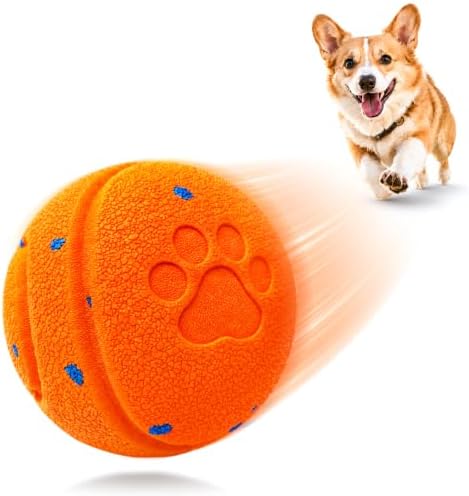
Eye contact which denotes trust, attachment and emotional synchronization can be highlighted by engaging in interactive toys, treat puzzle feeders, face-to-face play toys, engagement-focused training toys.











![SCHITEC Squeaky Dog Toys, [8 Pack] Soft Stuffed Plush Balls with ...](https://m.media-amazon.com/images/I/511miEX-2DL._AC_.jpg)