The article focuses on oxytocin (the “bonding hormone”) and the emotional connection between pets and humans. There are several means to enhance bonding, affection, and positive reinforcement and to name a few, we have collated BELOW some “EVERYDAY ACTIVITIES AND CORRESPONDING ESSENTIALS ” to strengthen the bond with your pets.
Understanding the Human-Pet Bond
The human-pet bond is a powerful, cross-cultural relationship that has evolved from history into a vital part of modern life. Today, pets are widely regarded as family members, strengthening emotional connections and enhancing overall well-being. This growing companionship highlights the emotional and psychological benefits of pet ownership, including reduced stress, improved mental health, and increased happiness.
Understanding the importance of the human-pet bond helps pet owners create deeper relationships with their animals while promoting a healthier, more fulfilling lifestyle for both.
It plays a vital role across cultures, offering mutual benefits for both pets and their owners. Pets provide companionship, emotional support, and unconditional love, while humans ensure their care and protection. Research shows that interacting with animals can reduce stress, ease loneliness, and improve overall mental health. The presence of pets also stimulates the release of oxytocin, enhancing bonding, trust, and emotional well-being. Understanding this relationship is increasingly important for researchers and mental health professionals, as it presents promising opportunities for animal-assisted therapy and improved mental health outcomes.
What is Oxytocin?
Oxytocin plays a key role in strengthening the bond between humans and their pets. Simple interactions such as petting, grooming, and eye contact can trigger the release of oxytocin in both, reinforcing trust and emotional attachment. Studies on dogs, including breeds like the American Cocker Spaniel, show that these shared moments create a positive feedback loop that deepens connection.
This hormonal response helps explain why pets provide comfort and emotional support. Increased oxytocin levels are linked to reduced stress and improved mood, making the human–pet relationship not only emotionally meaningful but also biologically beneficial.
The Role of Oxytocin in Human-Pet Interactions
Oxytocin, often called the “love hormone,” plays a vital role in strengthening the human–pet bond. This neuropeptide is released during positive interactions such as petting, cuddling, and playing, increasing emotional connection between pets and their owners. Studies show that when people interact with dogs—including breeds like the American Cocker Spaniel—both experience a rise in oxytocin levels, reinforcing trust and attachment.
Research from Kyoto University found that even mutual eye contact between dogs and their owners can trigger oxytocin release in both, creating a rewarding emotional loop. Similar responses are seen in interactions with other pets, including cats.
Regular, affectionate contact with pets can boost long-term oxytocin levels, helping reduce stress, improve mood, and promote feelings of comfort and security. This explains why pets are not only companions but also powerful contributors to emotional well-being.
Comparative Studies: Pets vs. Other Relationships
Research has demonstrated that the oxytocin response is a critical factor in both human-pet and human-human relationships. This particular hormone, often referred to as the “love hormone,” is released during moments of bonding and affection, playing a pivotal role in the emotional connections we establish with others, including our pets. Comparative studies evoke fascinating insights into how these interactions differ and align between species.
One groundbreaking study conducted by researchers at the University of Tokyo highlighted that when dogs interact with their owners, both the pet and the human experience a surge in oxytocin levels. This mutual hormonal response not only fosters a more profound emotional connection but also mirrors what is observed in human-parent relationships. This indicates that the bond formed between pets and their owners can indeed rival the emotional weight of familial connections. Furthermore, similar findings have been observed in studies involving cats and their owners, revealing that the release of oxytocin when engaged with a pet can be significant.
In contrast, human-human relationships also trigger oxytocin release through various forms of social interaction, including physical touch, eye contact, and shared experiences. However, the dynamics differ slightly; the complexity of human social interactions may influence the oxytocin release, requiring more significant engagement and emotional investment compared to the more straightforward bond typically seen in human-pet relationships.
In summary, while both human-pet and human-human relationships are governed by oxytocin dynamics, the mechanisms of bond formation exhibit notable differences. Pets often provide unconditional companionship, which can lead to oxytocin surges that encapsulate simplicity and purity of affection, positioning the pet-human bond as unique and emotionally significant in its own right.
Long-Term Benefits of Oxytocin Release in Pets and Owners
The bond between pets and their owners is often facilitated by the release of oxytocin, a hormone that plays a crucial role in social bonding and emotional connection. This hormonal interaction has been linked to numerous long-term benefits for both pets and their human companions. One noteworthy advantage is the enhanced mental health experienced by pet owners. Studies have shown that regular interaction with pets can lead to decreased symptoms of depression and anxiety, resulting in an overall more positive emotional state. Pets provide unconditional love and companionship, which can significantly elevate mood and reduce feelings of loneliness.
In addition to improving mental well-being, pet ownership is associated with lower levels of stress. The act of petting a dog or cat can trigger oxytocin release, promoting feelings of relaxation and calmness. This reduction in stress can be especially beneficial in today’s fast-paced world, where individuals often face overwhelming pressures. Moreover, owning a pet encourages physical activity, which further contributes to emotional resilience and a healthier lifestyle.
Physical health benefits also emerge from the oxytocin-induced bond between pets and their owners. Research has indicated that pet ownership can lead to lower blood pressure, reduced cholesterol levels, and decreased risk of heart disease. Engaging with pets often encourages taking regular walks and participating in outdoor activities, which enhances physical fitness and overall well-being.
Moreover, the symbiotic relationship formed through oxytocin release fosters a sense of purpose in pet owners, contributing to a more fulfilling life. Pets rely on their owners for care, which instills responsibility and boosts feelings of self-worth. Ultimately, the long-term benefits of oxytocin release strengthen both the pet and human relationship, resulting in a harmonious bond that promotes health, happiness, and longevity for both parties.
From Pets to Family: Understanding Their Role in Society Today
The bond between humans and their pets has deep social implications, significantly influencing the perception of pets as integral members of the family. This evolving dynamic has brought forth a shift in societal norms, as more individuals begin to recognize the emotional and psychological benefits inherent in this relationship. The deep-seated affection that many people feel for their pets often transcends simple companionship, fostering a sense of belonging and emotional security.
In contemporary society, pets are increasingly viewed not merely as property but as valued family members with whom individuals share their lives. This transformation in perception may stem from various factors, including the rise of the “pet parent” culture and the scholarly research suggesting the health benefits of pet ownership. As pets provide unwavering companionship, their role within the family structure has evolved to include emotional support, contributing to general well-being.
Moreover, the implications of this bond extend beyond individual households, influencing broader societal attitudes towards pet ownership. For instance, many workplaces now accommodate pet-related policies, allowing employees to bring pets to the office, which can enhance workplace morale and productivity. In addition, the increasing trend of pet-friendly public spaces promotes social interactions among pet owners, thus fostering community cohesion.
Furthermore, the representation of pets in media also affects societal attitudes. Television shows, films, and social media platforms often depict pets in familial contexts, reinforcing the notion that animals are deserving of love and respect akin to that of humans. This portrayal contributes to a cultural shift where pet ownership is seen as a vital component of modern family life, reshaping our expectations and responsibilities towards these companion animals.
Why the Pet–Owner Bond Fails and How to Fix It
The bond between pets and their owners is often characterized as a unique and profound connection that can have significant emotional benefits. However, there are circumstances that can disrupt this bond, such as the loss of a pet through death, trauma, or other distressing situations. When such disruptions occur, the intimate connection that fosters mutual affection and companionship is adversely affected.
Research has shown that disruptions in the pet-human bond can lead to decreased oxytocin levels in pet owners. Oxytocin, often referred to as the “love hormone,” plays a crucial role in reinforcing trust and attachment. When the bond is broken, the resulting drop in oxytocin levels can significantly impact a pet owner’s emotional well-being. Feelings of grief or sadness may emerge, triggered by the transition from a nurturing relationship to one marked by absence.
The emotional ramifications of losing a pet can also extend to mental health implications. Studies suggest that the loss of a pet can lead to conditions such as depression and anxiety. Individuals may experience heightened levels of stress, which can exacerbate feelings of loneliness and isolation. The presence of a pet often provides unparalleled companionship that alleviates these mental health challenges; thus, losing that support system can leave individuals feeling vulnerable and unsupported.
Furthermore, owners may struggle with guilt or unresolved grief, complicating the healing process. It is essential for pet owners to acknowledge their feelings during this time and consider various coping mechanisms. Engaging in support groups, or even adopting another pet when ready, may help in gradually rebuilding the connection lost. Ultimately, understanding the impact of disruptions in the pet-human bond can become a crucial component of supporting individuals as they navigate their grief and seek to restore emotional health.
Enhancing the Bond: Ways to Increase Oxytocin Levels
Building a strong bond with your pet is not only rewarding but also beneficial for both you and your companion. One effective way to strengthen this connection is to engage in activities that promote the release of oxytocin, often referred to as the “bonding hormone.” Here are several practical tips for pet owners to increase these levels effectively.
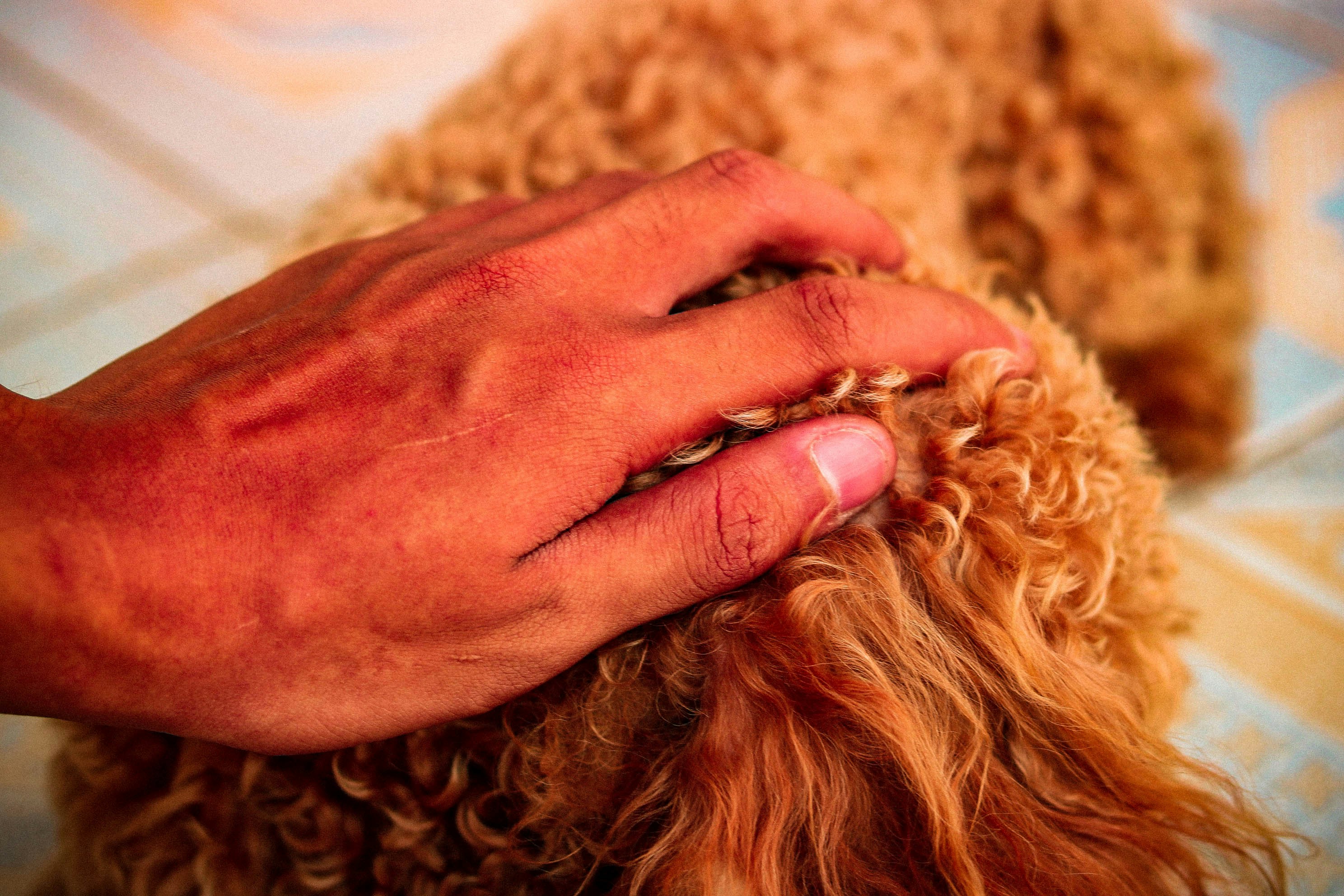
Firstly, regular physical interaction is key. Activities such as petting, cuddling, and grooming provide comfort and affection, fostering a sense of security for your pet. Research suggests that spending as little as fifteen minutes a day engaged in these acts can simultaneously elevate oxytocin levels in both the pet and its owner.
Secondly, consider incorporating training sessions into your routine. Positive reinforcement training not only teaches your pet valuable skills but also enhances communication and understanding between you. Use treats or verbal praises to reward desired behaviors, which will help forge a stronger emotional connection. The shared experience of learning can be highly stimulating, thereby promoting the release of oxytocin.
In addition, engaging in play is a wonderful way to bond. Activities like fetch or tug-of-war stimulate excitement and joy, leading to higher oxytocin levels. Ensure the activities are suitable for your pet’s age and physical capability to keep them safe and entertained.
Moreover, practicing mindfulness while interacting with your pet can further enhance the bonding experience. Being present and attentive allows both you and your animal to feel more connected, leading to mutual oxytocin release. Activities such as calming walks in nature or quiet time cuddling while watching television can contribute to these interactions.
In conclusion, by integrating these practices into your daily routine, you can effectively enhance the bond with your pet. Increasing oxytocin levels through affectionate behaviors, training, play, and mindfulness is pivotal in nurturing a fulfilling and enduring relationship with your companion.
Conclusion: The Enduring Connection Between Pets and Humans
In exploring the scientific underpinnings of the bond between pets and humans, particularly the role of oxytocin, it becomes clear that this relationship is multifaceted and deeply enriching for both parties. The research illustrates how oxytocin—a hormone often associated with emotional bonding and trust—plays a pivotal role in fostering attachment. During moments of interaction, such as petting or playing with a pet, oxytocin levels increase not only in humans but also in their animal companions, reinforcing the mutual affection and loyalty that characterize the pet-human relationship.
Moreover, the insights gained from the studies surrounding oxytocin highlight the positive effects that pets can have on human emotional and physical well-being. The reduction of stress, the alleviation of loneliness, and the promotion of overall happiness are just a few of the significant benefits derived from nurturing this bond. As pets offer companionship and unconditional love, understanding the biochemical processes behind this connection can help pet owners appreciate the depth of their relationship even more.
In light of these findings, it becomes imperative for pet owners to actively foster and nurture their bonds with their pets. Engaging in regular play, providing affectionate care, and ensuring a stable and loving environment can enhance the connection significantly. This understanding of the science behind the pet-human bond serves not only to enrich our knowledge but also to encourage us to cherish the joy that pets bring into our lives. By recognizing how oxytocin influences our interactions, we can cultivate and celebrate the enduring connection that exists between humans and their beloved pets.
EVERYDAY ACTIVITIES THAT BOOST OXYTOCIN
| BONDING ACTIVITY | OXYTOCIN TRIGGER | SAMPLE ESSENTIALS USED DURING THE BONDING ACTIVITY |
1. Petting and Grooming | 1. Touch increases oxytocin in both species | Grooming brushes, massage gloves, deshedding tools 1. Furminator Deshedding Tool – keeps coats healthy while giving your pet a soothing massage. 2. Pet Massage Gloves – turn grooming into a bonding ritual. |
2. Play & Interaction | 2. Shared joy and eye contact boost oxytocin | Interactive toys (ball launchers, puzzle feeders, tug ropes) 1. KONG Classic Dog Toy – interactive play that keeps pets engaged. 2. Cat Tunnel with Toys – encourages exploration and shared fun. |
| 3. Comfort & Relaxation | 3. Calm environments reduce stress hormones, allowing oxytocin to flow. | Calming pet beds, pheromone diffusers, weighted blankets for pets 1. Calming Pet Bed (Donut Shape) – promotes relaxation and security. 2. Adaptil Diffuser for Dogs – mimics natural pheromones to ease anxiety. |
| 4. Training & Rewards | 4. Positive reinforcement strengthens trust ad strengthens the bond | Clicker training kits, treat dispensers 1. Clicker Training Kit – simple tool for communication and bonding. 2. Automatic Treat Dispenser – reward good behavior instantly. |
| 5. Health & Wellness | 5. Physical activity enhances bonding | Smart collars, fitness trackers, walking harnesses |
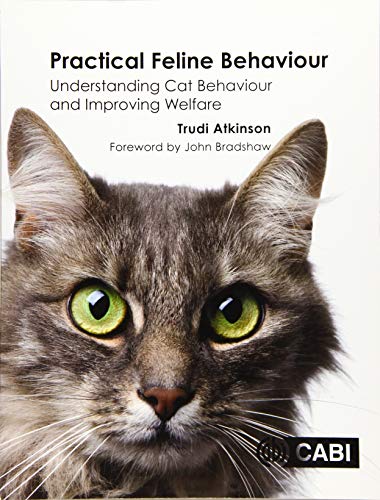
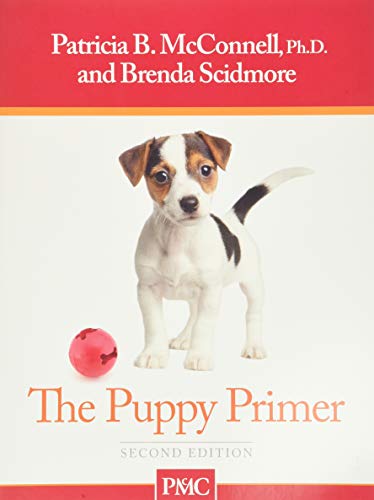
| 6. Books and Guides | 1. “Cat Sense” by John Bradshaw – Understanding feline behavior to deepen relationships. 2. “The Other End of the Leash” by Patricia McConnell – Explores human-dog communication and bonding. |
SAMPLE ESSENTIALS USED DURING THE BONDING ACTIVITY
(Click Items to Shop)
Furminator Deshedding Tool


Pet Massage Gloves


KONG Classic Dog Toy



Cat Tunnel with Toys



Calming Pet Bed (Donut Shape)



Adaptil Diffuser for Dogs


Clicker Training Kit



Automatic Treat Dispenser


Smart collars


Fitness trackers
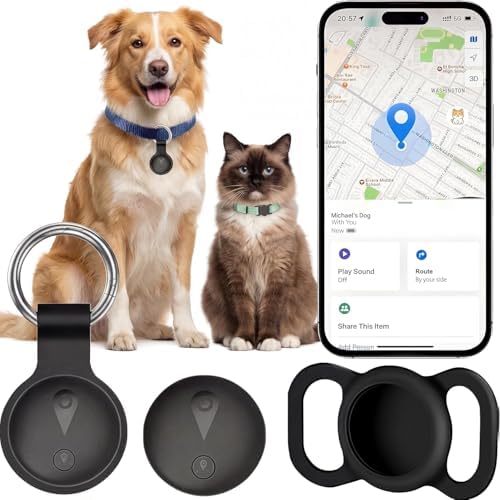
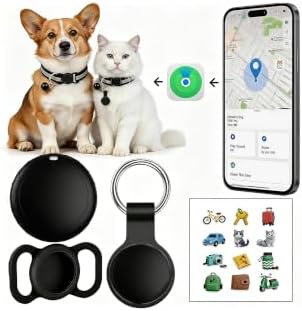

Walking harnesses


Books and Guides