
The Importance of Daily Rituals in Pet Care
Daily rituals play a crucial role in the relationship between pets and their owners, providing a structure that fosters the emotional bond they share. Engaging in routine activities such as feeding, walking, and playtime is not just beneficial for the pet’s physical health but also enhances the psychological well-being of both parties. Attachment theory suggests that the bond formed through consistent interactions can lead to a secure attachment style, which is essential for optimal development and behavior in pets.
Research indicates that pets thrive on routine, as it contributes to their sense of stability and security. When pets know what to expect in their daily lives, it reduces anxiety and fosters an environment where they can flourish. For instance, feeding schedules create predictability, helping pets anticipate meals and thereby reducing stress-related behaviors like begging or anxious barking. Similarly, regular walking routines allow dogs to exercise both their bodies and minds, while also establishing a connection between owner and pet, built on trust and shared experiences.
Furthermore, daily rituals can stimulate positive emotional responses in pets. Playtime, as a consistent practice, encourages interaction and bonding, enhancing feelings of affection and loyalty between the pet and owner. This emotional connection is paramount; according to various studies, animals, especially domesticated pets, often reflect the emotional states of their owners. Engaging in regular, bonding activities can downplay behavioral issues that arise from insecurity or emotional distress.
In conclusion, daily rituals are essential not only for maintaining a pet’s physical health but also for strengthening the bond between pets and their owners. By creating a sense of routine, both parties can enjoy a more fulfilling and positive relationship that fosters security and trust.
Top Science-Backed Daily Rituals for Enhancing Pet-Owner Bonds
The relationship between pets and their owners can be enriched through dedicated daily rituals. Scientific research has identified various activities that not only enhance this bond but also contribute to the overall well-being of both parties. Engaging in these practices can lead to mutual benefits, resulting in a stronger emotional connection.
One of the foremost practices is designated playtime. Regular interactive play—such as fetch, tug-of-war, or puzzle games—maintains a healthy level of excitement and engagement. A study published in the journal “Applied Animal Behaviour Science” indicates that pet owners who participate in daily play sessions with their pets report higher satisfaction in their relationships. This interaction fosters trust and reinforces positive behavioral patterns in pets, thereby strengthening the bond. Below are some of the toys you can consider during your playtime with your dogs:
COMPARISON TABLE
| TOY TYPE | BEST FOR | KEY BENEFIT |
| Durable Chew Toys: | ||
| 1. KONG Classic – Timeless rubber chew toy, can be stuffed with treats. | All dogs specially chewers | Stuffable, durable |
| 2. Nylabone Power Chew – Designed for aggressive chewers, long-lasting. | Aggressive chewers | Long-lasting |
| 3. Benebone Wishbone – Infused with real flavors (bacon, chicken, peanut butter) | Flavor-motivated dogs | Real flavors |
| Interactive Puzzle Toys: | ||
| 1. Outward Hound Hide-A-Squirrel – Plush puzzle toy that challenges dogs to find squeaky squirrels. | Curious, playful dogs | Mental stimulation |
| 2. Trixie Activity Flip Board – Engages dogs with multiple compartments and levers for treats. | Smart, food-driven dogs | Interactive challenge |
| Fetch and Tug Toys: | ||
| 1. Chuckit! Ultra Ball – High-bounce, durable ball for fetch. | Active fetch lovers | High bounce |
| 2. West Paw Zogoflex Tug Toy – Safe for tug-of-war, flexible yet strong. | Tug-of-war enthusiasts | Safe tug play |
| 3. Frisbee by Hyperflite – Lightweight, aerodynamic disc for active dogs. | High-energy dogs | Aerodynamic play |
Durable Chew Toys:
KONG Classic


Nylabone Power Chew

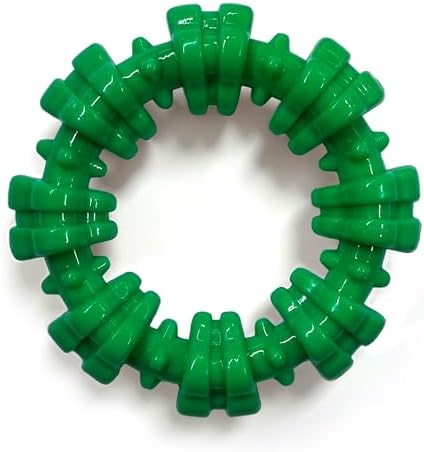
Benebone Wishbone


Interactive Puzzle Toys:
Outward Hound Hide-A-Squirrel


Trixie Activity Flip Board


Fetch and Tug Toys:
Chuckit! Ultra Ball



West Paw Zogoflex Tug Toy



Frisbee by Hyperflite


Training sessions can also work wonders for enhancing the pet-owner relationship. Engaging in constructive training not only aids in teaching pets essential commands and behavioral cues but also provides mental stimulation. Research indicates that pets trained with positive reinforcement demonstrate improved behavior and a deeper attachment to their owners. Therefore, incorporating short training intervals into the daily routine can serve dual purposes—educational enrichment for the pet and enhanced social bonding. Some of the Training Gadgets utilized during training time with your pets are the following:
COMPARISON TABLE
| GADGET TYPE | BEST FOR | KEY BENEFITS |
| Fi Smart Collar | Dogs needing GPS tracking | Location + activity monitoring |
| Garmin Delta SE Collar | Obedience training | Adjustable cues |
| Furbo Dog Camera | Remote training | Treat tossing + monitoring |
| PetSafe Treat & Train | Positive reinforcement | Timed treat dispensing |
| Mighty Paw Smart Bell | Potty training | Easy communication |
| iFetch Ball Launcher | Active dogs | Automatic fetch play |
| PetSafe ScatMat | Boundary training | Discourages unwanted behavior |
Fi Smart Collar



Garmin Delta SE Collar


Furbo Dog Camera
![Furbo 360° Dog Camera + Mini [New Subscription Required at Setup]...](https://m.media-amazon.com/images/I/41uadx092NL._AC_.jpg)
![Furbo 360° Dog Camera [No Monthly Fee] | 360° Rotating Live View,...](https://m.media-amazon.com/images/I/41z8W6tbWJL._AC_.jpg)

PetSafe Treat & Train


Mighty Paw Smart Bell


iFetch Ball Launcher


PetSafe ScatMat


Mindfulness practices during walks are another beneficial ritual. Taking time to observe the environment together while walking, observing the pet’s reactions, and allowing them to explore different areas can significantly enrich the experience. A study in the “Journal of Veterinary Behavior” highlights that mindful walking leads to better emotional attunement between pets and their owners, showcasing that shared experiences can greatly enhance their connection. For safe and enjoyable dog walks, you’ll need a sturdy leash and harness, waste bags, water and a portable bowl, treats for training, and safety gear like reflective collars or lights for evening walks. These essentials make walks smoother, healthier, and stress-free for both you and your pet.
CORE ESSENTIALS FOR DOG WALKING
| ITEM | PURPOSE |
| Leash & Harness | Control & comfort |
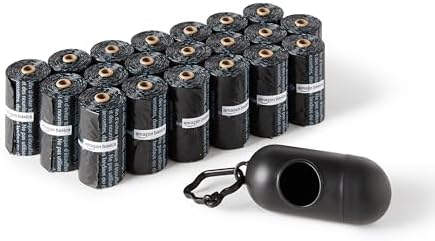
| Waste Bags | Hygiene |
| Water & Bowl | Hydration |
| Reflective Gear/LED | Safety in low light |
| Treats | Training reinforcement |
| Paw Protection | Comfort on hot/rough surfaces |
Leash & Harness


Waste Bags


Water & Bowl


Reflective Gear/LED


Treats


Paw Protection


By integrating these scientifically-backed daily rituals—designated playtime, training sessions, and mindful walks—pet owners can foster a deeper bond with their pets. These practices not only improve pet behavior but also contribute to a fulfilling relationship that enriches both lives.
The Impact of Rituals on Behavior and Emotional Health
Daily rituals between pets and their owners serve a crucial role in fortifying the bond shared between them; however, their significance extends beyond companionship. Engaging in structured routines positively influences the emotional health of pets, shaping their behavior in remarkable ways. Research has shown that consistent interaction fosters feelings of safety and stability in animals, leading to reduced anxiety and stress levels. For instance, dogs that experience regimented walks, playtime, and training sessions demonstrate a marked decrease in behavioral issues associated with anxiety, such as excessive barking and destructiveness.
Moreover, the benefits of these rituals are not limited to dogs but extend to various types of pets. For cats, for example, regular feeding times combined with play can alleviate behaviors indicative of stress, such as aggression or withdrawal. Essentially, the predictability of daily interactions helps pets to navigate their environments with confidence, fostering emotional resilience.
One notable study published in the Journal of Veterinary Behavior illustrated that pets who participated in structured daily activities with their owners exhibited significantly improved social behaviors. The research indicated a correlation between time spent in interacting rituals and enhanced sociability in pets. Anecdotal evidence from pet owners often echoes these findings, with many reporting that their animals exhibit greater confidence and friendliness toward both humans and other pets when routines are consistently maintained.
Additionally, the emotional health of pets is deeply intertwined with the mental well-being of their owners. Regular engagement in nurturing rituals creates a shared sense of security, positively impacting the overall mood of both the pet and the owner. This mutual reinforcement fosters a positive feedback loop, where healthy routines support emotional growth and stability for both parties involved. Therefore, establishing daily rituals is more than a simple caregiving act; it is a fundamental practice in promoting emotional health and behavioral well-being in pets.
How to Create Meaningful Daily Rituals with Your Pet
Creating meaningful daily rituals with your pet is essential for enhancing the bond between pet and owner. To begin, it is important to observe your pet’s behavior and preferences. Different pets have unique temperaments and energy levels, which can influence the types of activities that are most suitable for them. For instance, a high-energy dog may benefit from a morning run or an interactive play session, whereas a more relaxed cat might enjoy a quiet cuddling session or gentle brushing.
Timing is a crucial factor when establishing daily rituals. Consider integrating these practices into your existing routine, such as incorporating a walk before or after breakfast, or setting aside time in the evening for grooming. Consistency is key to reinforcing the bond and ensuring that your pet anticipates these moments. Remember to adjust the timing based on your pet’s natural rhythm, as some animals may be more active during certain parts of the day.
Additionally, think about varying the types of activities to keep things engaging. For instance, while daily walks are beneficial, introducing new environments or alternate routes can provide fresh stimuli. Engaging your pet in training sessions or agility exercises not only builds skills but fosters cooperation and trust. For animals with less energy, consider less physically demanding activities, like puzzle toys that promote mental stimulation.
As your pet ages or experiences changes in health, be mindful of adapting rituals to their evolving needs. Older pets may require gentler activities or have reduced stamina, while puppies and kittens may flourish with more interactive and energetic play. Continually assessing their well-being will allow you to adjust routines to suit their current stage of life.