
A. Masters: Physical Well-Being
The physical well-being of a master forms the foundation for a balanced life and strong companionship with his pet. Regular exercise, proper nutrition, and adequate rest not only keep the body fit but also sharpen the mind and elevate mood — all essential for being an attentive, active, and responsible pet parent.
Scientific fact: Studies published in the Harvard Health Publishing show that consistent physical activity reduces stress hormones like cortisol while increasing endorphins — the body’s natural “feel-good” chemicals. This makes exercise a natural mood stabilizer, strengthening the bond between humans and their pets through shared outdoor activities such as walking, running, or playing.


- Health and Fitness
Pets encourage their masters to stay active. Dogs, in particular, require regular walks that double as exercise for their owners. A study published in Time found that dog owners walk an average of 22 minutes more per day than non-dog owners. This added movement helps reduce risks of obesity, cardiovascular disease, and sedentary lifestyles.
- Nutrition and Daily Energy
Just as pets need balanced diets, so do masters. A healthy, nutrient-rich diet gives pet owners the energy required for daily care, from lifting food bags to walking long distances. According to the World Health Organization (WHO), healthy diets come in many forms, but the four core principles of adequacy, balance, moderation and diversity should be the foundation of any healthy diet. Masters who eat well are better equipped to care for their pets consistently.


- Rest and Recovery
Caring for a pet requires patience, which is difficult without adequate rest. Poor sleep weakens the immune system and raises stress levels. The Centers for Disease Control and Prevention (CDC) report that adults who sleep fewer than seven hours per night are more likely to experience chronic health conditions, including diabetes and depression. For masters, prioritizing rest ensures they can provide stable care for their pets.
Beyond physical health, a master’s emotional and social well-being plays a vital role in nurturing a fulfilling life — and in building a deeper bond with their pet. Companionship, self-expression, and social connection enrich the heart and mind, creating a sense of purpose and belonging that extends to the pet-human relationship.
Scientific fact: According to a study from the American Psychological Association, meaningful social relationships and emotional support systems can increase longevity by up to 50%. Positive interactions — whether with friends, family, or even pets — trigger the release of oxytocin, a hormone that fosters trust, empathy, and stress relief.

- Stress Relief and Mental Health
Pets are natural stress relievers, but masters still need additional coping tools to stay mentally balanced. A study by the American Psychological Association (APA) found that 84% of pet owners reported reduced stress simply by spending time with their animals. Still, mindfulness, journaling, or therapy can amplify these benefits, helping masters remain emotionally grounded.
- Social Connection
Pets often serve as bridges to human connection. Dog owners, for example, are more likely to interact with strangers during walks, building social bonds. Research published in PLOS ONE found that pet ownership increases social interaction opportunities by about 60%, especially in neighborhood settings. Pets don’t just provide companionship—they open doors to new human friendships.
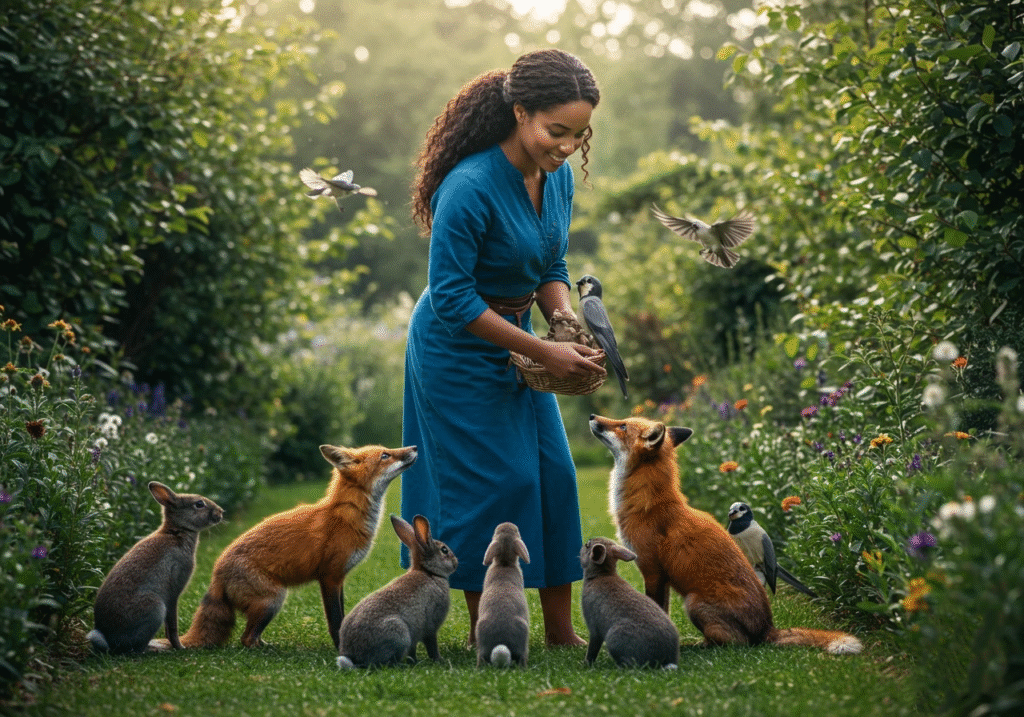
- Emotional Fulfillment
Masters gain meaning and joy from nurturing another life. This sense of purpose has measurable benefits. A study in the Journal of Positive Psychology reported that individuals who felt a strong sense of purpose in life were 2.4 times more likely to report higher well-being and life satisfaction. Caring for a pet adds a daily layer of emotional fulfillment, reinforcing happiness and resilience.
C. Lifestyle And Practical Needs
Pet masters need to balance their lifestyle to provide consistent care for their pets. This includes maintaining a regular routine, creating a safe and comfortable home environment, and being financially prepared for food, grooming, and veterinary needs.
They must also manage work–life balance, stay informed about pet care practices, and maintain good hygiene for both pet and household. Social interaction with pet communities fosters connection, while emotional readiness ensures lasting commitment and mutual well-being between pets and their masters.

- Time Management
Owning a pet requires discipline with schedules—feeding, grooming, and exercising must all fit into daily routines. According to the American Pet Products Association (APPA), pet owners spend an average of 4.5 hours per week on direct care tasks. Masters who manage their time well not only meet their pets’ needs but also balance personal and professional responsibilities more effectively.
- Financial Responsibility
Pets bring joy, but also costs—food, toys, grooming, and vet bills add up. The ASPCA estimates that the first-year cost of owning a dog averages $1,471, while a cat averages $1,149. Budgeting for these expenses is essential so that pets receive consistent care without financial strain on the household.
- Adaptability and Long-Term Care
A pet’s needs evolve with age, and so must a master’s lifestyle. Puppies demand activity, while senior pets require more medical care and gentleness. Research in the Journal of Animal Science notes that nearly 40% of senior pets develop age-related conditions that require adjusted routines. Masters who adapt gracefully not only meet these needs but also strengthen the lifelong bond.