
A Lifestyle That Strengthens Both Lives
Meaningful rituals create a rhythm where masters and pets grow healthier, calmer, and more connected. With consistency, intention, and shared joy, these rituals transform everyday living into a balanced, science-supported lifestyle that benefits both heart and home.
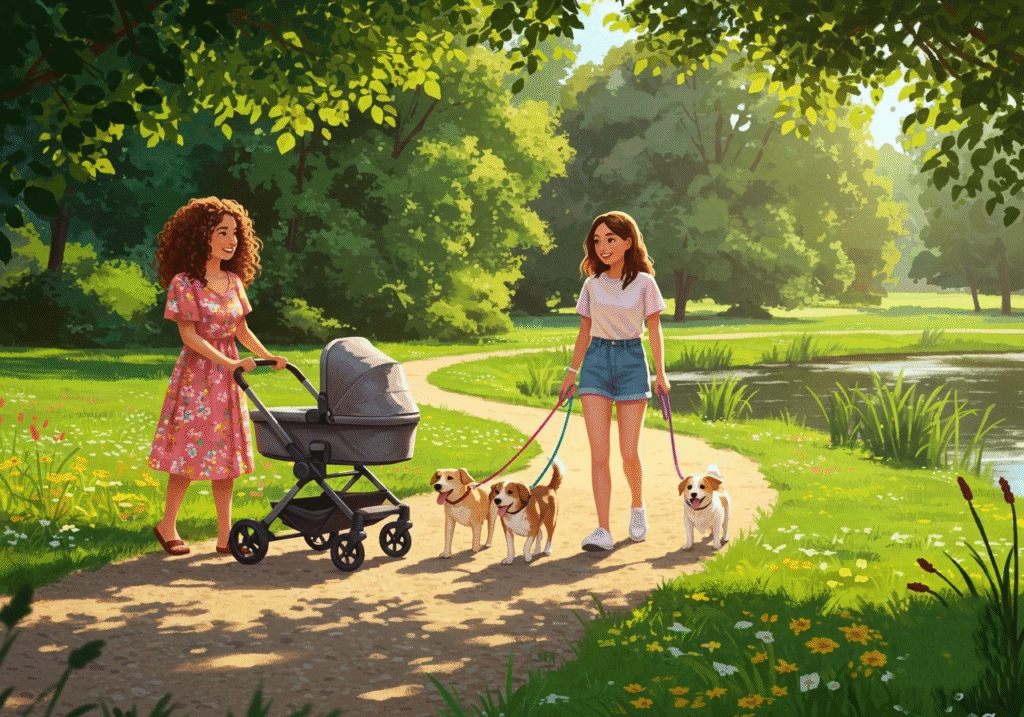
A. Creating Meaningful Rituals
A shared lifestyle is built not just on routines, but on rituals which are purposeful actions repeated with intention and emotional connection. Science shows that these rituals strengthen the bond between masters and pets, support emotional stability, and enhance overall well-being for both species.
B. Aligning Health and Wellness Goals
When masters and pets align their health and wellness goals, they create a lifestyle that strengthens both body and mind. Science shows that shared wellness practices — from daily activity to emotional regulation — create measurable benefits for both species, reinforcing a healthier, more harmonious life together.
1. Rituals Create Emotional Security
Behavioral science confirms that predictable, caring interactions reduce anxiety in both humans and animals. Simple rituals like morning greetings, evening cuddles, or consistent feeding times help pets feel safe and help humans regulate emotions through familiarity and connection.
1. Shared Physical Activity Improves Cardiovascular Health
Research from the American Heart Association shows that dog owners walk more and stay more active than non–pet owners. This boosts heart health, improves stamina, and helps maintain a healthy weight. Pets gain parallel benefits — regular movement supports joint health, reduces obesity risk, and enhances longevity.
2. Repeated Shared Activities Strengthen the Bond
Studies on the human–animal bond show that regular interaction activates the release of oxytocin, supporting trust, affection, and emotional closeness. Rituals like daily walks, playtime, or grooming deepen this bond and reinforce mutual attachment.
2. Exercise Together Increases Motivation and Consistency
Behavioral studies reveal that having a “partner” increases adherence to exercise routines. Pets act as natural motivators: their need for daily walks or play sessions encourages masters to stay active, while pets thrive on the consistent physical engagement provided by their humans.
3. Routine-Based Rituals Improve Mental Health
Psychological research demonstrates that rituals promote mindfulness and reduce stress. For humans, these shared moments become grounding anchors. For pets, they provide behavioral stability and reduce anxiety-driven reactions.
3. Stress Management Becomes a Shared Experience
Interacting with pets lowers cortisol levels and increases oxytocin for both species, creating a calming effect that supports emotional regulation. Pets mirror human stress cues, and humans respond positively to their pets’ presence, making shared wellness routines an effective tool for managing stress.
4. Physical Rituals Support Wellness and Consistency
Whether it’s an evening walk, weekly outdoor adventure, or morning stretching together, consistent physical rituals increase exercise levels, stimulate cognitive function, and support joint and heart health in both humans and pets.
4. Consistent Routines Support Biological Rhythms
Following regular schedules for meals, sleep, and activity synchronizes the body’s natural rhythms. For humans, consistent routines improve sleep quality, digestion, and overall energy. For pets, predictable rhythms reduce anxiety, stabilize behavior, and support metabolic health.
5. Shared Care Rituals Build Purpose and Responsibility
Caring for a pet through daily rituals boosts a human’s sense of purpose, improving emotional resilience and life satisfaction. Meanwhile, pets thrive in secure environments where their needs are met with predictable, loving care.
5. Healthy Environments Enhance Overall Well-Being
Environmental health studies show that clean, ventilated, and enriched home spaces contribute to better mental and physical health. Pets benefit from lower allergens, safe play areas, and access to stimulation, while humans experience improved air quality, lower stress, and a more organized lifestyle.
6. Celebration Rituals Boost Joy and Connection
Research in positive psychology shows that celebrating milestones — pet birthdays, adoption anniversaries, or weekly “treat days” — enhances happiness and strengthens social bonds. Pets experience positive reinforcement through joyful, shared moments, while masters benefit from emotional uplift.
6. Shared Goals Enhance Emotional Connection and Purpose
Aligning wellness objectives — such as walking more, eating better, or practicing mindfulness together — strengthens the sense of partnership. Humans gain purpose and accountability through caring for their pets, and pets experience security and trust through consistent, attentive care.
The Essence
Meaningful rituals create a rhythm where masters and pets grow healthier, calmer, and more connected. With consistency, intention, and shared joy, these rituals transform everyday living into a balanced, science-supported lifestyle that benefits both heart and home.
The Essence
When master and pet move toward wellness together, daily life becomes a shared journey of discipline, joy, and growth. Aligning goals doesn’t just create healthier bodies—it builds a lifestyle rooted in balance, mutual care, and meaningful connection.
C. Adapting as Life Changes
Life evolves—new routines, work shifts, health changes, aging, or family transitions. As these shifts unfold, both master and pet must continually adjust to maintain balance and well-being. A lifestyle built on essentials is flexible, responsive, and supportive through every season of life.
D. The Partnership Perspective
The relationship between master and pet is more than companionship—it is a partnership. Both contribute to each other’s physical health, emotional balance, and daily rhythm. Viewing this bond through the lens of partnership transforms everyday care into a shared journey of growth, wellness, and mutual support.
1. Routines That Evolve with You
Pets rely on consistency, but routines can be adjusted gradually without causing stress.
- Slow, steady changes help pets adapt without anxiety
- Owners avoid burnout by evolving routines that fit their current schedule
- Predictability remains, but with room for life’s natural transitions
1. Mutual Influence on Health & Behavior
Humans and pets naturally mirror each other’s habits. Research shows that pets often synchronize with their owner’s routines, stress levels, and energy patterns.
- Active owners tend to have more active, healthier pets
- Calm, structured environments reduce anxiety for both
- Behavioral consistency on one side reinforces stability on the other
2. Supporting Physical Changes in Both Master and Pet
Aging, injury, or changing fitness levels impact mobility and energy needs—on both sides.
- Low-impact exercises (shorter walks, gentle play) maintain joint health
- Adjusting pacing prevents strain for senior pets and aging owners
- Shared physical adaptation promotes long-term health and comfort
2. Co-Regulation of Emotions
Emotional co-regulation is a hallmark of the human–animal bond.
- Pets help reduce cortisol and improve mood through touch and presence
- Owners offer emotional boundaries and reassurance, lowering pet stress
- Shared calm activities (slow walks, quiet time, grooming) foster emotional equilibrium
3. Emotional Transitions and Stress Buffering
Pets are highly attuned to emotional shifts. Science shows that animals mirror human stress patterns and benefit from calm, stable environments.
- Mindful interactions help regulate stress for both
- Pets offer emotional grounding during major life changes
- Owners, in turn, provide structure and reassurance for their pets
3. Joint Responsibility for Wellness
A partnership mindset sees health as a shared responsibility—not one-sided.
- Owners commit to safety, nutrition, exercise, and mental stimulation
- Pets contribute by offering companionship, structure, and emotional grounding
- Both thrive when responsibilities are balanced and intentional
4. Adjusting Nutrition Through Life Stages
Nutritional needs change with age, activity level, and health status.
- Senior pets may require joint-supporting nutrients; owners may shift toward heart-healthy or anti-inflammatory diets
- Routine review of diet supports metabolic and immune health
- Mindful feeding helps prevent weight gain during low-activity periods
4. Communication as an Essential Skill
Healthy partnerships rely on clear, compassionate communication—verbal and nonverbal.
- Reading a pet’s signals helps prevent stress, illness, or behavioral issues
- Pets respond positively to tone, consistency, and predictability
- Mutual understanding deepens trust and strengthens your shared lifestyle
5. Maintaining Connection Amid New Demands
New work hours, travel, or family responsibilities can strain the time spent with pets. Intentional bonding preserves emotional closeness.
- Short but meaningful interactions maintain attachment
- Enrichment toys and structured play prevent boredom and behavioral issues
- Owners maintain emotional presence even in busy seasons
5. Shared Routines Strengthen the Bond
Partnership grows through repetition and shared rituals.
- Daily walks, feeding times, play sessions, and grooming become relational “touchpoints”
- These predictable moments reinforce security and reinforce attachment
- Science shows that consistent routines increase oxytocin in both humans and pets
6. Resilience Through Predictable Anchors
Science shows that stable rituals—morning walks, feeding times, grooming moments—strengthen resilience and reduce anxiety for both pets and humans. These small anchors create security as other aspects of life shift.
6. Empowerment Through Cooperative Learning
Training, enrichment, and exploration are forms of mutual learning.
- Pets learn skills, boundaries, and confidence
- Owners learn patience, empathy, timing, and perspective
- This mindset turns challenges into growth opportunities for both
The Essence
Life changes, but the essentials remain. When masters and pets adapt together like adjusting routines, health habits, emotional needs, and shared rituals they build a lifestyle that stays strong and supportive through every chapter.
The Essence
A lifestyle built around essentials is ultimately a partnership lifestyle. When masters and pets understand, influence, and support each other, wellness becomes a shared journey, one built on trust, communication, care, and connection.