Historical Connections Between Humans and Pets
The bond between humans and animals stretches back thousands of years. Dogs were the first domesticated species, with evidence suggesting humans and dogs began living together more than 15,000 years ago (Smithsonian, 2019). At first, animals provided practical benefits. Dogs helped with hunting and guarding, while cats protected food stores from pests. Over time, these roles expanded, and animals became trusted companions rather than just helpers. This history laid the foundation for the emotional partnerships we share with pets today.

Emotional, Psychological and Physical Benefits of Having Pets

Modern science has validated what pet owners have long known: pets improve our well-being. Research indicates that interacting with animals can decrease cortisol levels, the hormone associated with stress, and boost oxytocin, the so-called “feel-good” hormone (NIH, 2021). Simply petting a dog or cat can help reduce anxiety, lower blood pressure, and promote better heart health. Beyond these physical benefits, pets also alleviate loneliness and offer emotional comfort, making them a vital part of many homes.
Mutual Dependence: Why Pet and Master Needs are Inseparable
The relationship between pets and masters is one of mutual reliance. Pets depend on humans for food, safety, and affection, while humans benefit from companionship, exercise, and emotional support. Research has shown that dog owners, for example, are four times more likely to meet daily physical activity guidelines compared to non-owners (BMJ, 2019). This highlights how caring for pets not only meets their needs but also enriches the master’s lifestyle. When one side thrives, so does the other, making their needs truly inseparable.

Historical Roots of the Human-Pet Relationship
- Early Domestication – Dogs as the first domesticated species.
- Fact: DNA studies show dogs diverged from wolves 20,000–40,000 years ago.
Dogs hold the title of humanity’s first domesticated species, with genetic evidence suggesting they split from wolves between 20,000 and 40,000 years ago (Nature Communications, 2017). Unlike livestock, which were bred mainly for food, dogs offered companionship, hunting assistance, and protection. This early partnership provided mutual survival benefits like humans gained sharper senses and added muscle in the hunt, while dogs secured reliable food sources and shelter. The domestication of dogs marks the beginning of the human–pet bond, where necessity first gave rise to trust and loyalty.
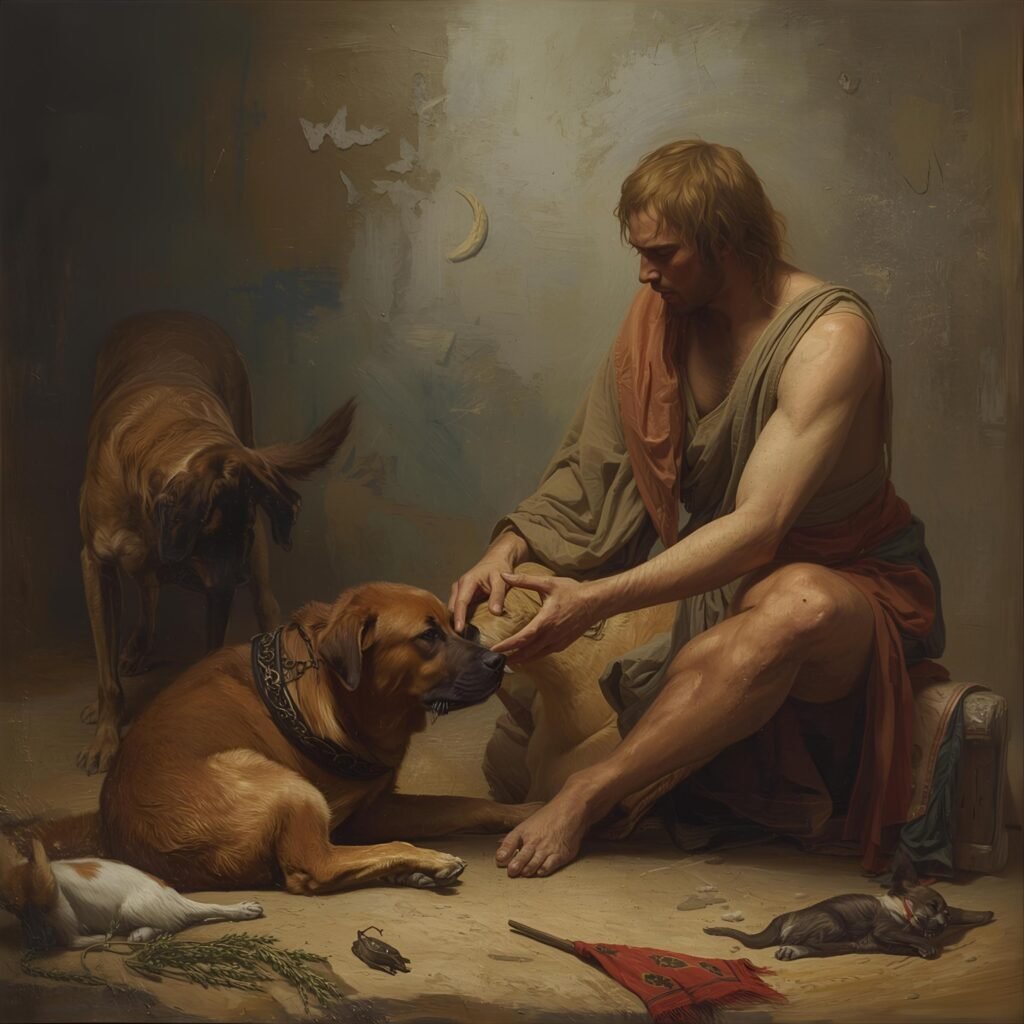
- Pets in Ancient Civilizations – Cats in Egypt, dogs in Mesopotamia, birds in Asia.
- Fact: Egyptian tomb paintings show cats dating back to 2000 BCE.
As human societies grew more complex, animals became important not only for survival but also for cultural and spiritual reasons. In ancient Egypt, cats were considered sacred beings and were frequently depicted in tomb paintings dating back to around 2000 BCE (British Museum). Their role extended beyond companionship—they helped control pests that threatened stored grain, combining practical function with symbolic significance. Across Asia, birds were valued for their beauty and singing, while in Mesopotamia, dogs were recorded on clay tablets as loyal guardians. Each civilization integrated animals into everyday life, highlighting their enduring presence and significance alongside humans.

- Working Companions – Herding, hunting, and guarding roles of pets.
- Fact: Selective breeding enhanced traits for work (e.g., Border Collies’ herding instinct).
Beyond their symbolic significance, pets also played essential practical roles. Herding dogs, hunting falcons, and guard geese all contributed to supporting human livelihoods. Even before the science of genetics was understood, humans practiced selective breeding to enhance desirable traits—such as the Border Collie’s natural herding instinct or the Greyhound’s speed for hunting. Research confirms that domesticated animals developed traits specifically influenced by human intervention, including changes in body size and temperament (Science, 2009). This working relationship strengthened the interdependence between humans and animals, with humans guiding the evolution of pets just as pets influenced human survival and development.

- Symbolism and Status – Pets as cultural and spiritual icons.
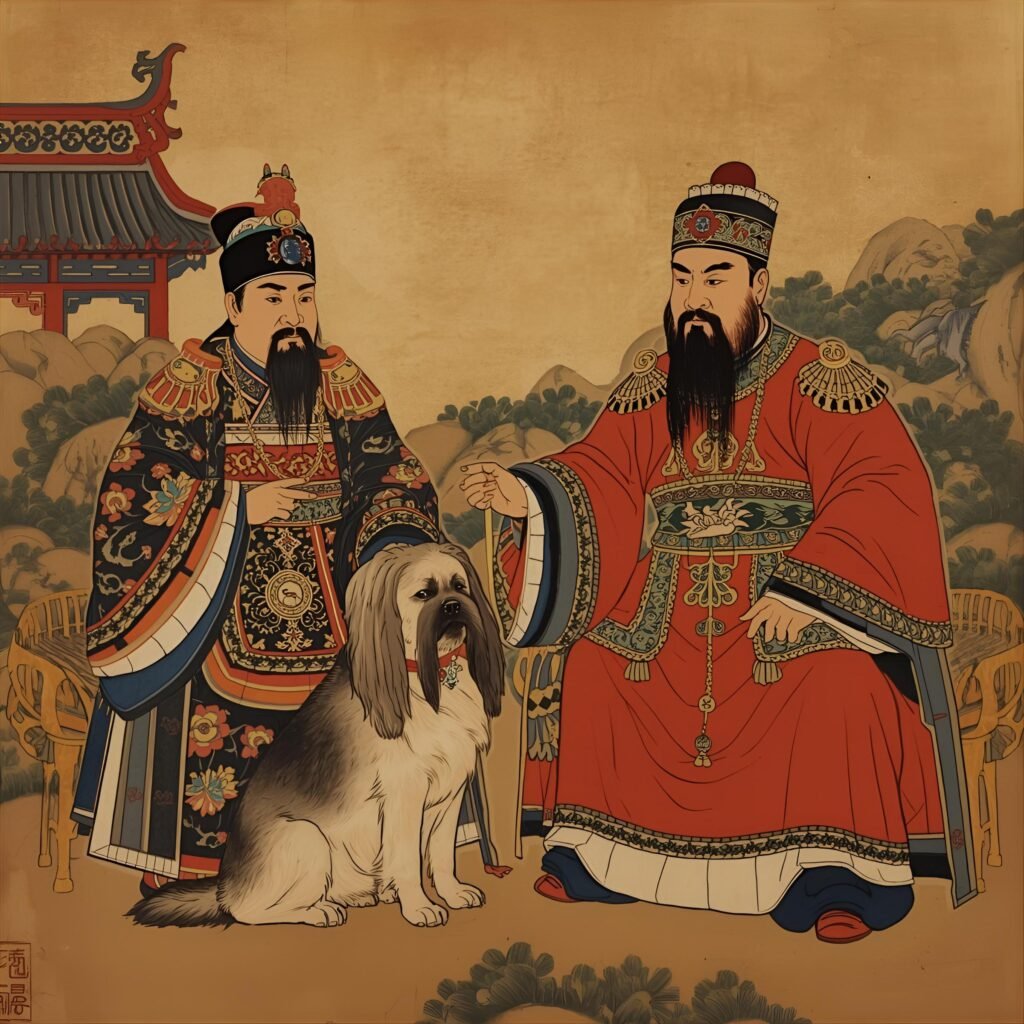
- Fact: Ancient Chinese emperors kept Pekingese dogs as sacred guardians
Pets have historically symbolized prestige, power, and spiritual significance. For instance, ancient Chinese emperors kept Pekingese dogs not only as lap companions but as representations of divine guardianship. During medieval Europe, nobility frequently commissioned portraits showcasing their valued animals, elevating pets as symbols of wealth and social influence. Anthropological research indicates that animals often held symbolic importance within societies, serving as totems, protectors, or markers of status (Anthrozoös Journal, 2015). These examples demonstrate that the human-pet relationship has always extended beyond practical needs, embodying cultural and emotional meanings that endure across generations.