
A. Types of Dogs
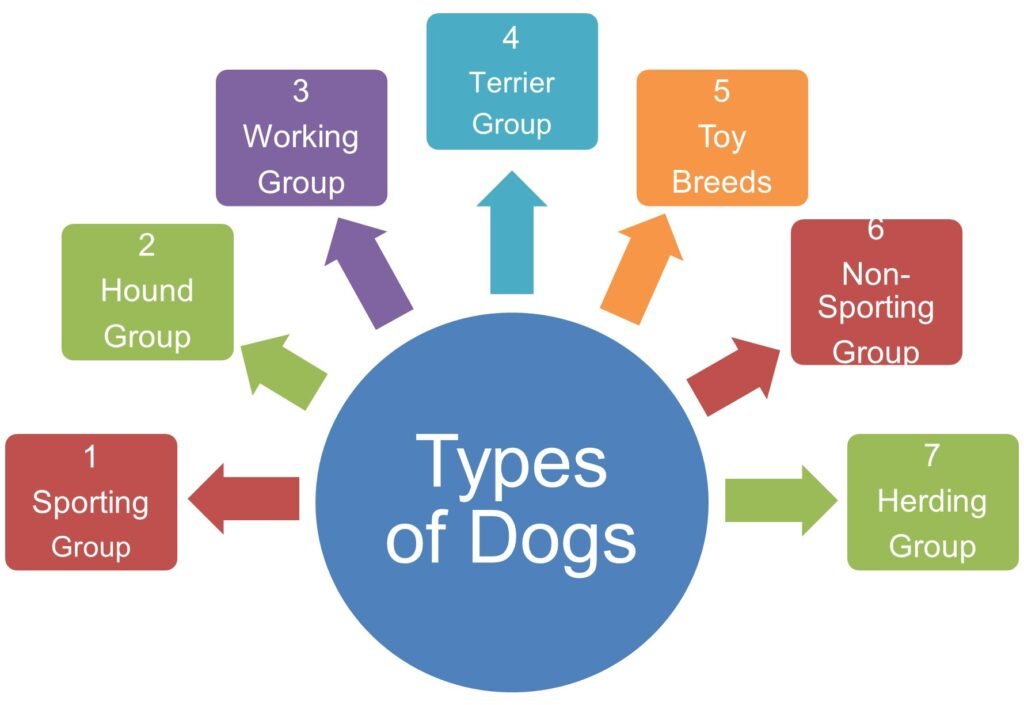
A.5. Toy Group
Discover toy dog breeds—small, affectionate companions perfect for families, apartment living, and loyal companionship.
Toy dog breeds are a fascinating category of domestic dogs known for their small size, charming personalities, and affectionate nature. These petite companions have captured the hearts of dog lovers worldwide, making them especially popular among urban dwellers, families, and individuals seeking a loyal companion in a compact form. Despite their size, toy breeds possess vibrant personalities that bring energy and joy into any home.
What Are Toy Dog Breeds?
Toy breeds are classified based on their small size and companion-focused roles rather than working functions.
• Typically weigh under 15 pounds
• Bred primarily for companionship
• Adapt well to apartment living
• Known for affectionate and social behavior
Why Toy Breeds Are So Popular
The toy breeds are excellent companions for a wide range of lifestyles, from busy professionals to retirees.
• Ideal for small living spaces
• Easy to travel with
• Form strong bonds with owners
• Require less physical space than larger breeds
Their portability and loving nature make them especially appealing in modern living environments.
Temperament and Personality
Despite their small stature, toy breeds often have bold and lively personalities.
They are affectionate, loyal, and thrive on human interaction. Many toy breeds are surprisingly alert and can act as effective watchdogs, quickly notifying their owners of unfamiliar sounds or visitors.
Training and Socialization
Although small, toy breeds require consistent training and early socialization.
• Start training at a young age
• Use positive reinforcement techniques
• Encourage social interaction with people and pets
• Prevent “small dog syndrome” through consistency
Proper training ensures that toy breeds grow into well-mannered and confident companions.
Care and Lifestyle Needs
Toy breeds may be small, but they still require proper care and attention.
• Balanced nutrition
• Regular vet check-ups
• Daily play and light exercise
• Grooming depending on coat type
Are Toy Breeds Good for Families?
Toy breeds can be wonderful companions for both individuals and families. Their gentle and affectionate nature makes them suitable for children and elderly owners alike.
However, due to their small size, interactions with young children should always be supervised to prevent accidental injury.
Final Thoughts
Toy dog breeds prove that great things come in small packages. Their loving nature, adaptability, and lively personalities make them ideal companions for many different lifestyles.
With proper care, training, and attention, toy breeds can bring years of joy, companionship, and unconditional love.
Sample Dogs under Toy Group
Cavalier King Charles Spaniel: The Elegant and Affectionate Toy Companion
Discover the Cavalier King Charles Spaniel—a graceful, affectionate toy breed known for its royal history, gentle nature, and loving companionship.
Reference : Britannica
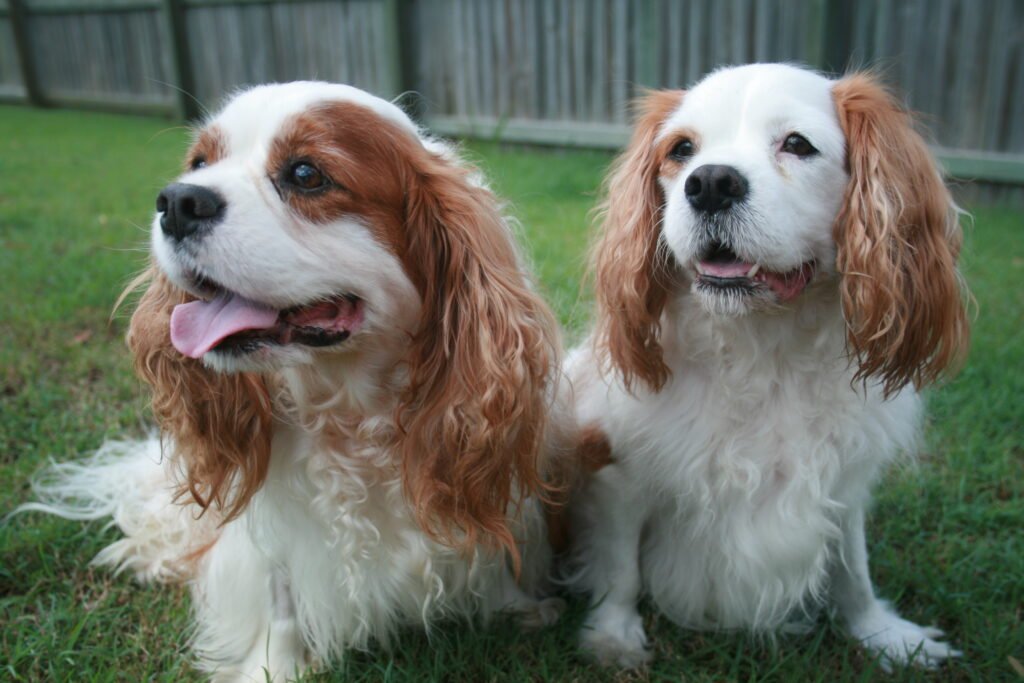
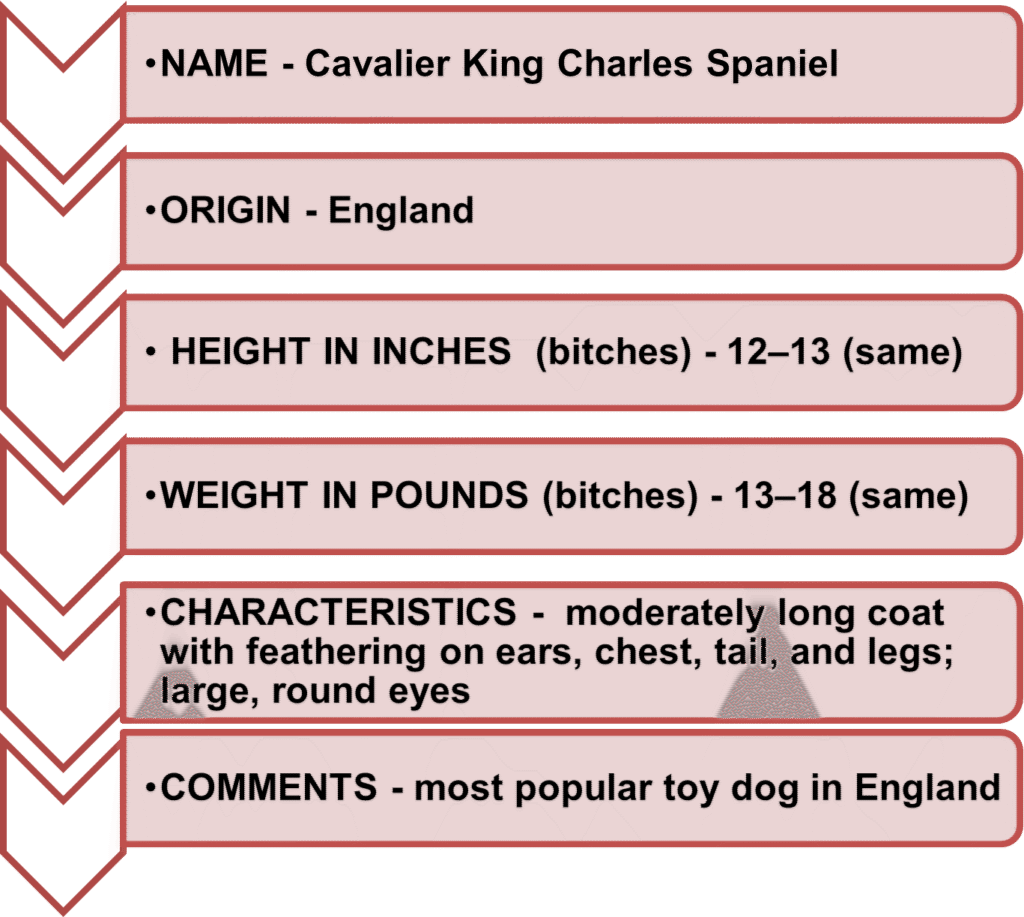
The Cavalier King Charles Spaniel is a breed that embodies elegance, charm, and affectionate companionship. Originating in England, this beloved toy breed has a rich royal heritage and continues to win hearts with its gentle personality and expressive features.
Royal History and Origins
The Cavalier King Charles Spaniel traces its roots back to English nobility and was especially favored by King Charles II.
These small companion dogs were commonly seen in royal courts, where they were treasured for their beauty and affectionate nature. Their noble lineage continues to contribute to their timeless appeal today.
Distinctive Appearance
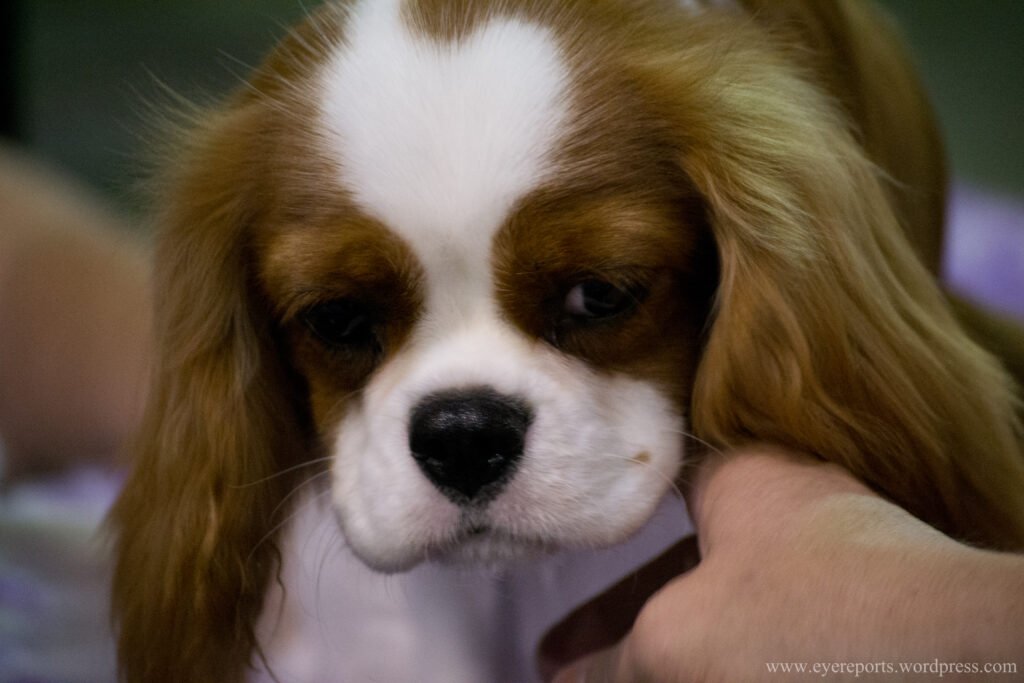
Cavaliers are admired for their graceful and charming appearance.
- Silky, medium-length coat
- Large, round, expressive eyes
- Long, feathered ears
- Elegant and well-balanced build
Their coat comes in several beautiful color variations:
- Blenheim (chestnut and white)
- Tricolor (black, white, and tan)
- Ruby (solid red)
- Black and tan
Temperament: Gentle and Sociable
The Cavalier King Charles Spaniel is widely regarded as one of the most friendly and sociable dog breeds.
They thrive on companionship and form strong emotional bonds with their owners. Their affectionate and gentle demeanor makes them excellent companions for families, seniors, and individuals alike.
Intelligence and Trainability
Cavaliers are intelligent and eager to please, making training a smooth and enjoyable process.
Some of the Cavalier’s characteristics are as follows:
- Respond well to positive reinforcement
- Quick learners
- Enjoy interactive training
- Adapt well to different living environments
Their willingness to learn and please makes them ideal for first-time dog owners.
Health Considerations
Like many purebred dogs, the Cavalier King Charles Spaniel can be prone to certain hereditary conditions like Mitral Valve Disease and Syringomyelia
Regular veterinary check-ups and responsible breeding practices are essential to maintaining their health and well-being.
Care and Lifestyle Needs
Cavaliers require consistent care to stay happy and healthy:
- Regular grooming to maintain coat
- Moderate daily exercise Balanced nutrition
- Plenty of companionship and attention
They thrive in environments where they can be close to their owners and included in daily activities.
Why the Cavalier Stands Out
The Cavalier King Charles Spaniel stands out for its perfect blend of elegance, affection, and adaptability. Its loving personality and royal charm make it one of the most favorite toy breeds worldwide
Final Thoughts
The Cavalier King Charles Spaniel is more than just a beautiful dog—it is a devoted companion that brings warmth, joy, and unconditional love into any home.
For those seeking a gentle, loyal, and affectionate pet, this breed remains an exceptional choice.
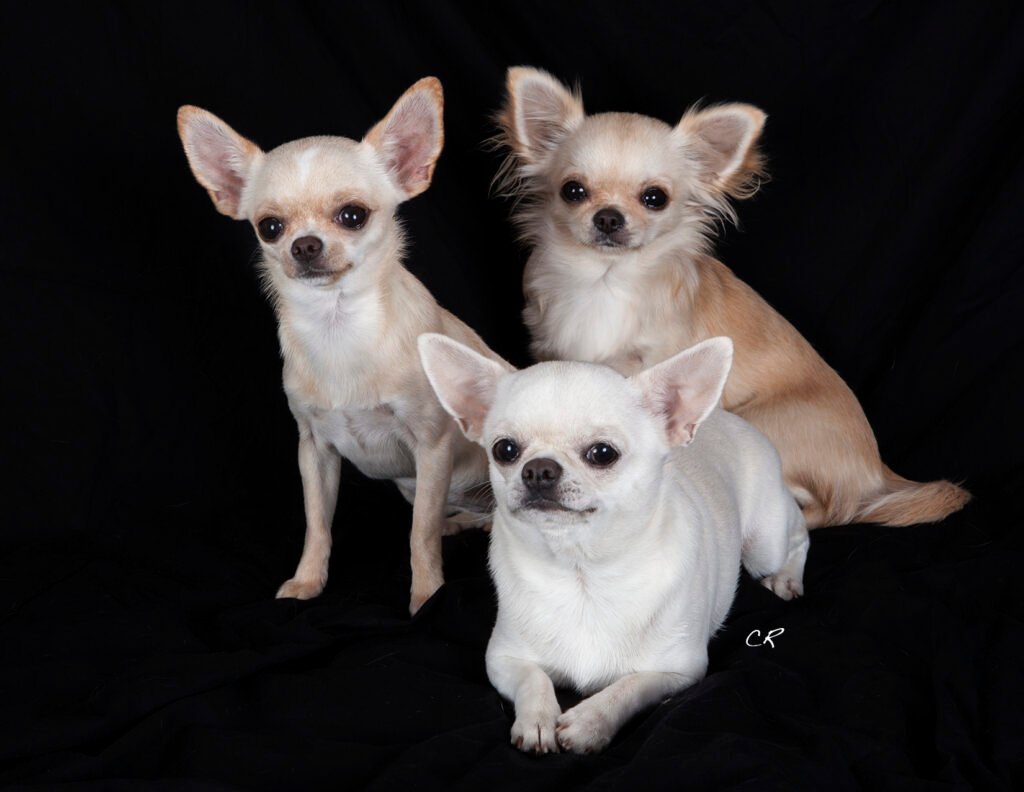
Chihuahua: The Tiny Dog with a Bold Personality
Discover the Chihuahua—the world’s smallest dog breed known for its bold personality, loyalty, and charming companionship.

.jpg)


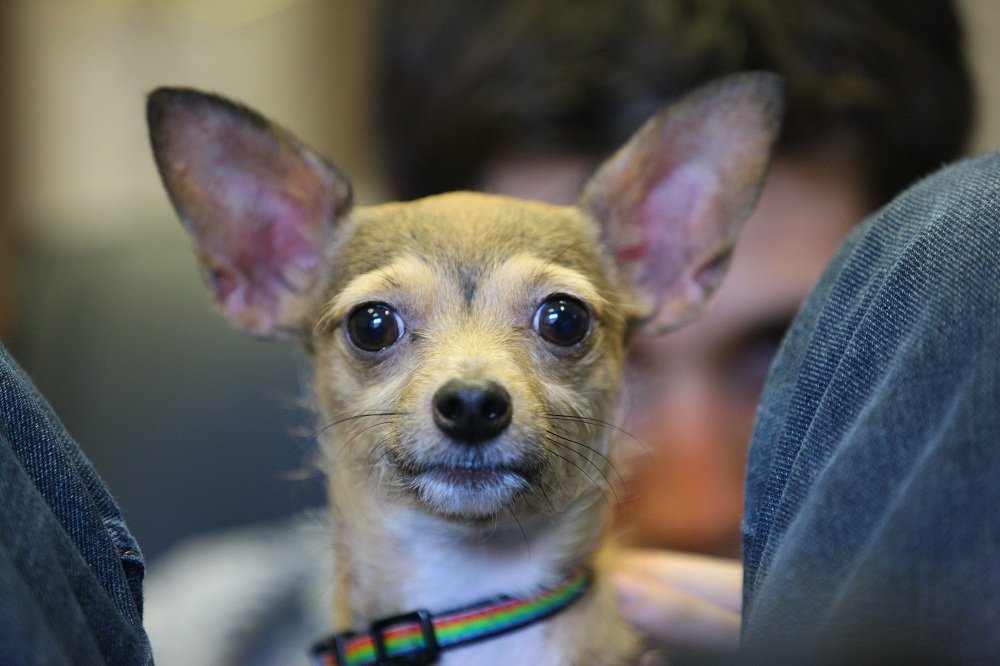
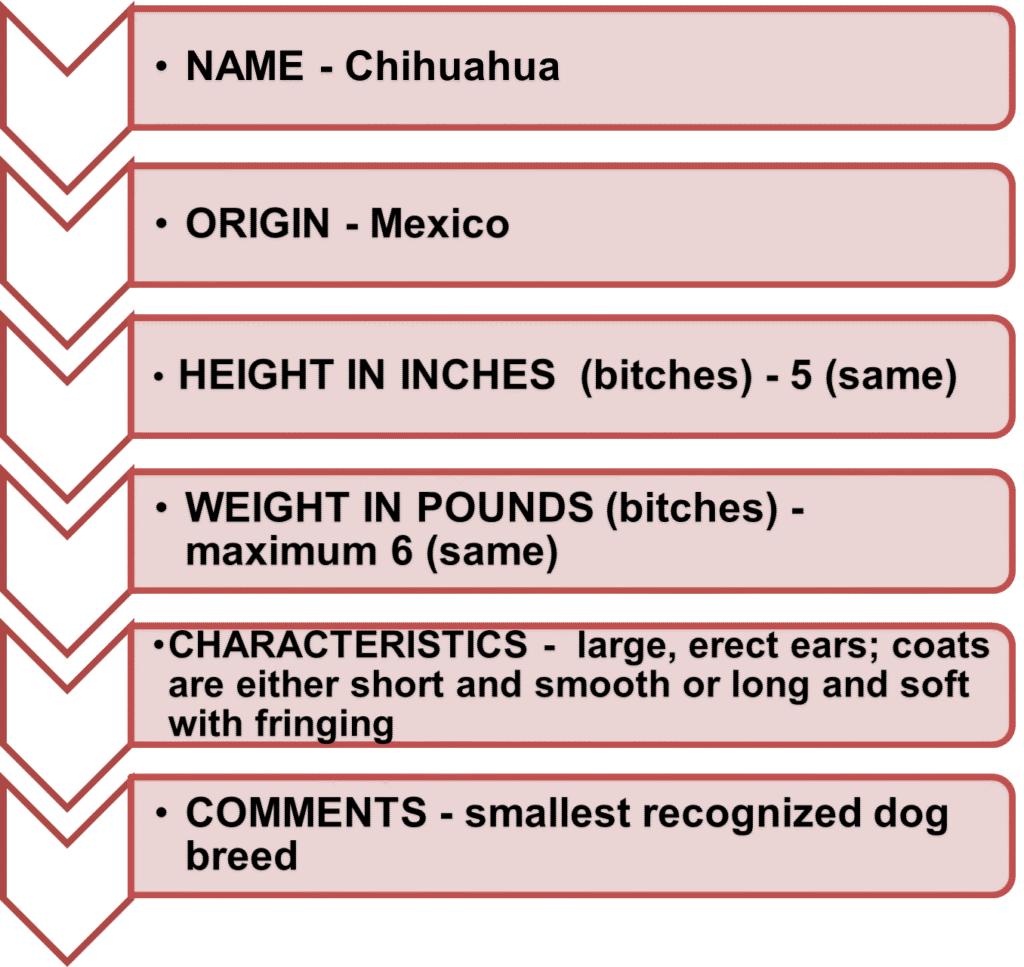
The Chihuahua is the smallest dog breed in the world, yet it possesses a personality that is anything but tiny. Originating from Mexico, this spirited companion is beloved for its loyalty, confidence, and affectionate nature.
Origin and History
The Chihuahua is named after the Mexican state of Chihuahua, where the breed was discovered.
It is believed to have descended from the Techichi, a small companion dog kept by the Toltec civilization as early as the 9th century. The breed later gained popularity in the United States during the 19th century.
Size and Appearance
Chihuahuas are famous for their incredibly small size with the following distinctive features:
- Weight: 2–6 pounds (1–3 kg)
- Height: 5–8 inches
- Large, expressive eyes
- Prominent ears and compact body
Despite their tiny stature, they carry themselves with confidence and elegance.
Coat Varieties
The Chihuahua comes in two main coat types:
- Smooth-haired (short coat)
- Long-haired (soft, flowing coat)
Both varieties come in a wide range of colors and patterns, adding to their unique appeal.
Temperament: Bold and Loyal
Chihuahuas are known for their lively and spirited personalities.
They are incredibly loyal and often form strong bonds with one person. Despite their size, they can be protective and display a bold, confident attitude. Their affectionate nature makes them excellent companion dog
Care and Handling
Caring for a Chihuahua requires attention to their unique needs:
• Regular grooming (depending on coat type)
• Routine dental care
• Gentle handling due to their small size
• Moderate exercise and indoor play
Because of their delicate build, they should be handled carefully, especially around young children.
Social Needs and Lifestyle
Chihuahuas thrive on companionship and enjoy being close to their owners.
They adapt well to apartment living and are ideal for individuals or families who can provide attention and affection. Early socialization helps them become more confident and friendly in different environments.
Why the Chihuahua Stands Out
The Chihuahua stands out for its combination of tiny size and bold personality. Its loyalty, charm, and lively spirit make it one of the most recognizable and favorite toy breeds in the world.
Final Thoughts
The Chihuahua proves that size does not define character. With proper care, training, and love, these tiny companions bring immense joy and companionship to their owners.
For those seeking a small but spirited pet, the Chihuahua is an exceptional choice.
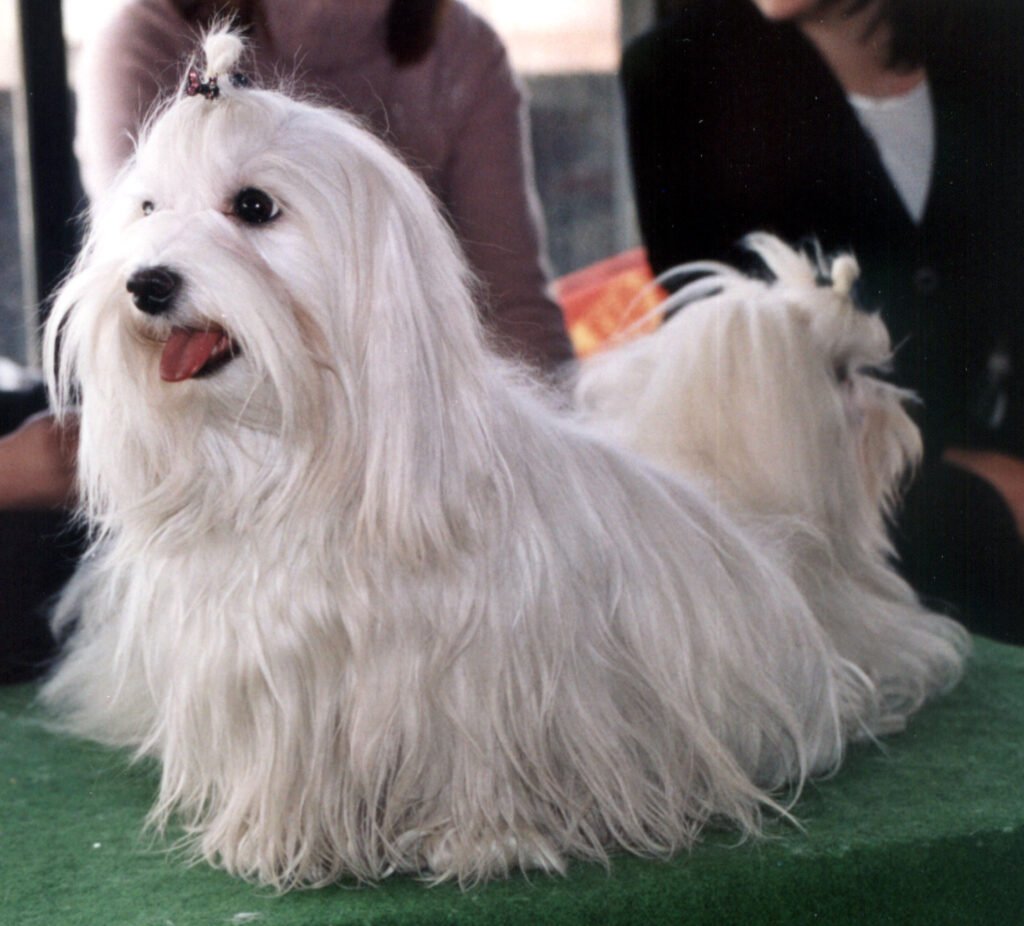
Maltese: The Elegant and Affectionate Toy Companion
Discover the Maltese—a graceful toy dog breed known for its silky white coat, affectionate nature, and rich history as a royal companion.


Reference : Britannica
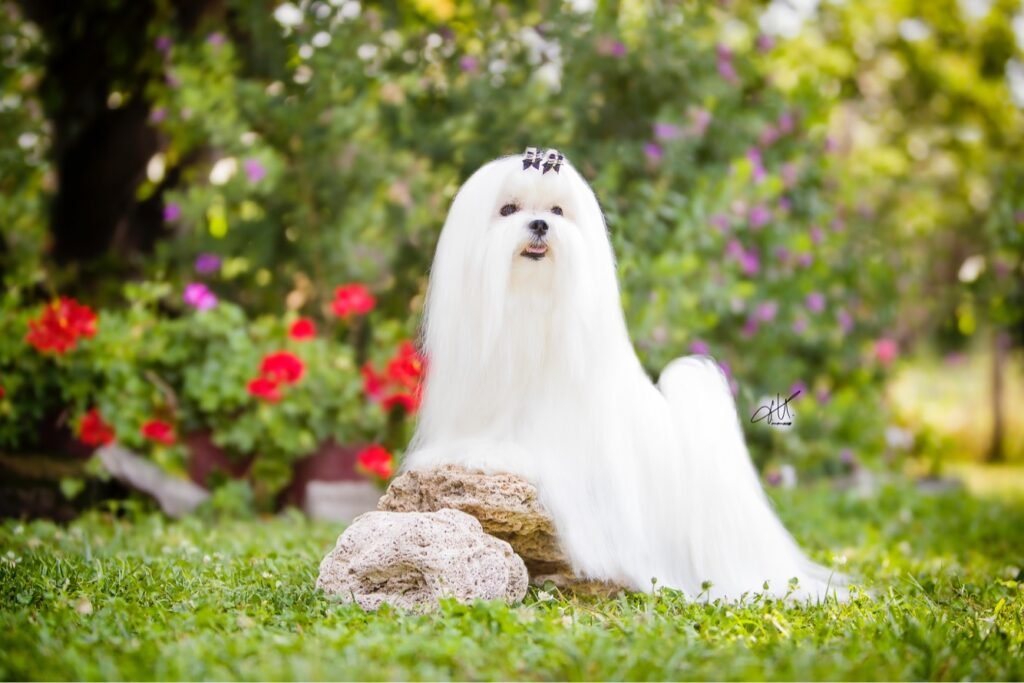
The Maltese is a breed that perfectly blends elegance with charm. Known for its long, flowing white coat and expressive dark eyes, this small yet captivating dog has been adored for centuries as a devoted companion
Distinctive Appearance
The Maltese is instantly recognizable for its luxurious and graceful look.
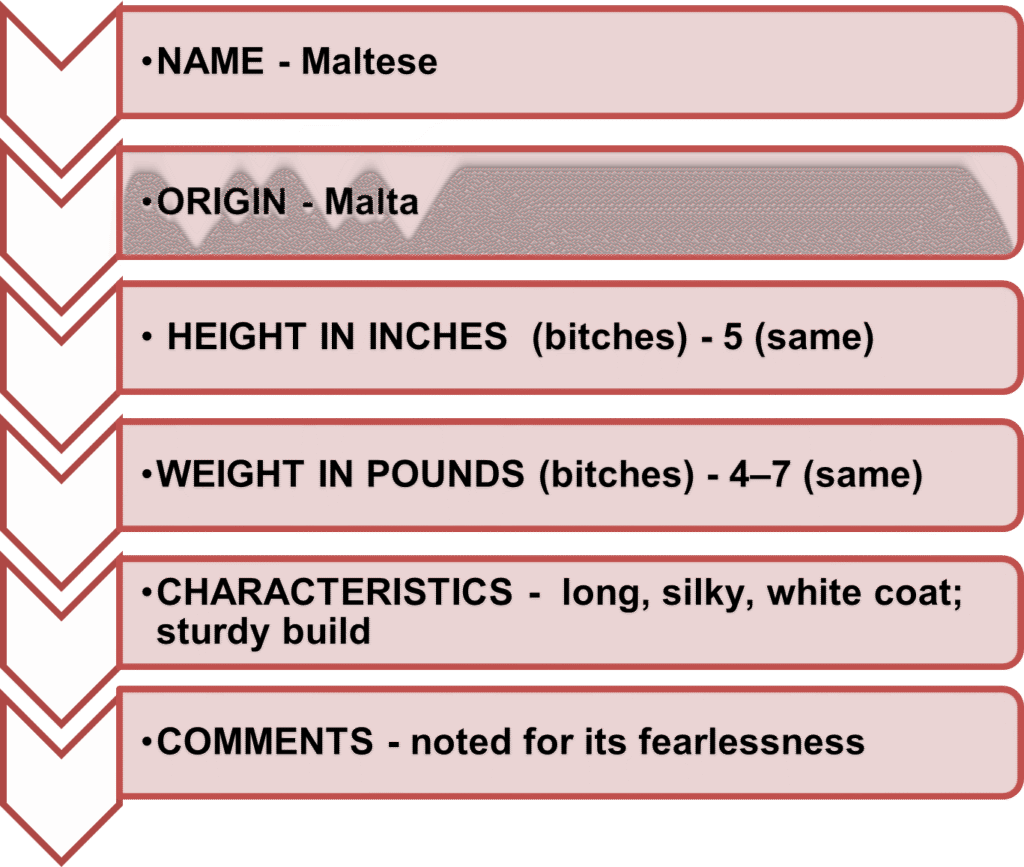
- Long, silky white coat
- Compact and delicate body
- Dark, expressive eyes
- Elegant and refined posture
Despite its small size, the Maltese carries itself with remarkable confidence and poise.
History and Origins
The Maltese originates from the Mediterranean region and has a history spanning over two thousand years.
It was highly valued by ancient civilizations such as the Greeks and Romans, often associated with nobility and wealth. Frequently depicted in art and literature, the Maltese became a symbol of elegance and refined companionship.
Temperament: Playful and Affectionate
The Maltese is known for its loving and sociable nature.
They thrive on human interaction and form strong bonds with their families. Maltese dogs are playful, intelligent, and enjoy being the center of attention, often following their owners from room to room.
Personality: Small but Spirited
Despite their delicate appearance, Maltese dogs have a surprisingly bold and spirited personality.
They are confident and lively, often displaying a feisty attitude that adds to their charm. This combination of gentleness and confidence makes them both entertaining and endearing companions.
Health and Lifespan
The Maltese is generally a healthy breed but can be prone to certain conditions.
- Dental issues
- Patellar Luxation
With proper care, Maltese dogs typically live between 12 to 15 years, offering long-term companionship.
Care and Lifestyle Needs
Maintaining a Maltese requires consistent care and attention:
- Regular grooming to maintain coat
- Daily companionship and interaction
- Balanced nutrition
- Light exercise and playtime
- Routine veterinary care
Their luxurious coat requires regular maintenance to keep it healthy and tangle-free.
Why the Maltese Stands Out
The Maltese stands out for its timeless elegance and affectionate personality. Its ability to combine beauty, intelligence, and companionship makes it a favorite among toy dog lovers.
Final Thoughts
The Maltese is more than just a beautiful dog—it is a loving and loyal companion that brings joy and warmth into any home.
For those seeking a small, affectionate, and elegant pet, the Maltese remains an exceptional choice.
Pomeranian: The Fluffy and Lively Toy Companion
Discover the Pomeranian—a fluffy, intelligent, and lively toy dog known for its bold personality, fox-like face, and charming companionship.


Reference : Britannica
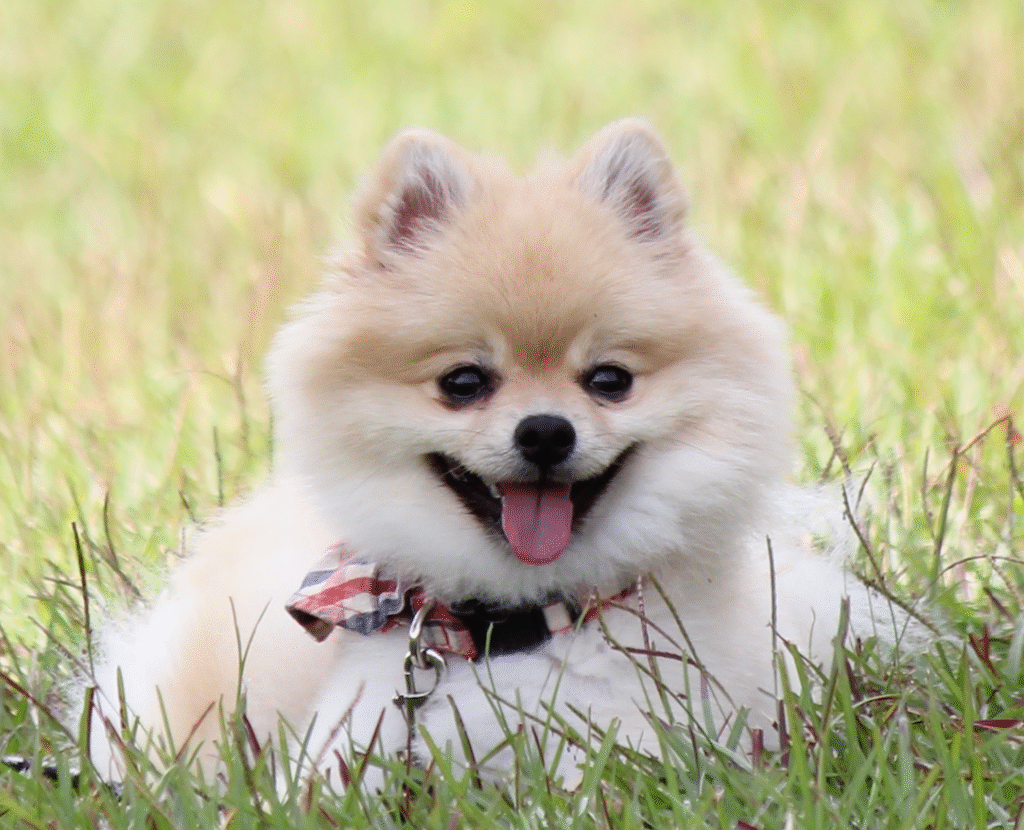
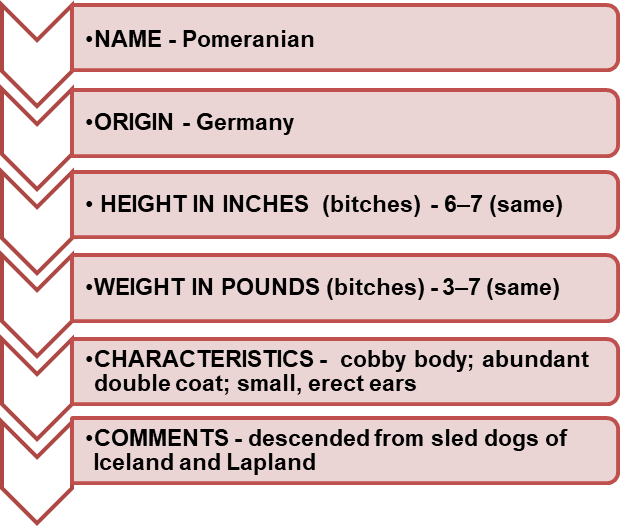
The Pomeranian is a small dog with a big personality, adored for its fluffy coat, alert expression, and lively spirit. Descended from larger Arctic Spitz-type dogs, this breed has evolved into a beloved companion known for both its beauty and intelligence.
Origins and History
The Pomeranian traces its roots to Arctic regions, where its ancestors were larger working dogs related to the German Spitz.
Over time, selective breeding reduced their size, transforming them into the compact companions we know today. The breed gained popularity among European nobility, including Queen Victoria, who played a key role in popularizing the smaller variety.
Distinctive Appearance
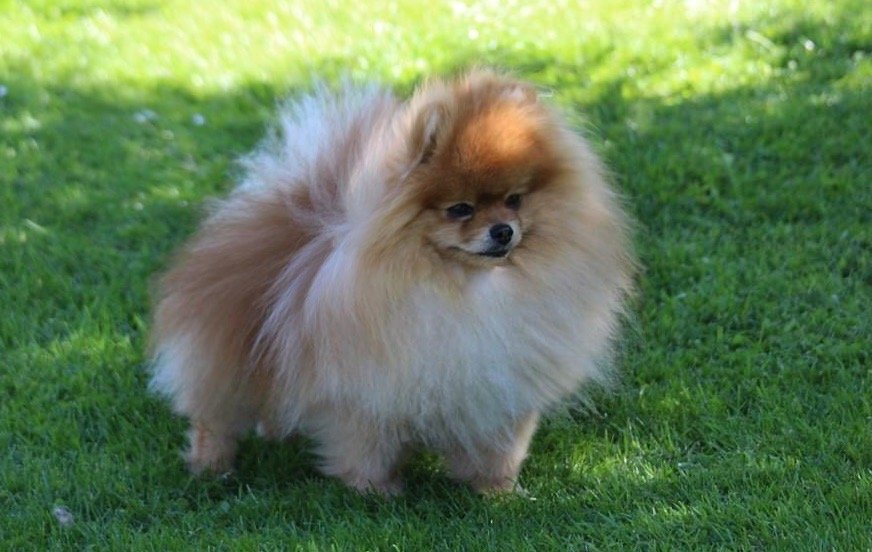
Pomeranians are easily recognized by their plush coat and expressive features.
- Thick double coat with a fluffy texture
- Fox-like face and alert expression
- Small, compact body
- Plumed tail carried over the back
Their luxurious coat gives them a bold and eye-catching presence despite their tiny size.
Coat Colors and Variations
The Pomeranian comes in a wide variety of colors:
- Orange and cream (most common)
- Black and white
- Blue, sable, and chocolate
- Parti-color combinations
This diversity in coat colors adds to their widespread appeal.
Temperament: Bold and Intelligent
Despite their small size, Pomeranians have a confident and outgoing personality.
They are curious, alert, and highly intelligent. Their lively nature and tendency to be vocal make them excellent watchdogs, always quick to alert their owners to changes in their environment.
Temperament traits (behavioral genetics correlation):
- High vocal responsiveness
- Elevated dopamine-related novelty-seeking behavior
- Strong territorial awareness
Training and Socialization
Pomeranians are smart and eager to learn, but they benefit from consistent training.
- Respond well to positive reinforcement
- Require early socialization
- Can develop stubborn habits without guidance Enjoy mental stimulation and interactive play
Proper training helps channel their energy and intelligence into positive behaviors.
Care and Grooming Needs
The Pomeranian requires regular grooming to maintain its luxurious coat:
- Frequent brushing to prevent matting
- Regular grooming sessions
- Balanced diet and routine vet care
- Daily play and light exercise
Consistent grooming keeps their coat healthy and enhances their signature fluffy appearance.
Why the Pomeranian Stands Out
The Pomeranian stands out for its unique blend of beauty, intelligence, and confidence. Its vibrant personality and adorable appearance make it one of the most popular toy breeds worldwide.
Despite their size, they retain the bold, watchdog instincts of larger Spitz ancestors.
Ranked above average in canine intelligence for obedience and adaptive learning.
Final Thoughts
The Pomeranian is a charming and energetic companion that brings joy and excitement to any household.
For those seeking a small dog with a big personality, the Pomeranian is an excellent choice, offering loyalty, intelligence, and endless entertainment.
Pug: The Charming and Playful Companion Dog
Discover the Pug—a lovable toy dog breed known for its wrinkled face, playful personality, and affectionate nature.


Reference : Britannica
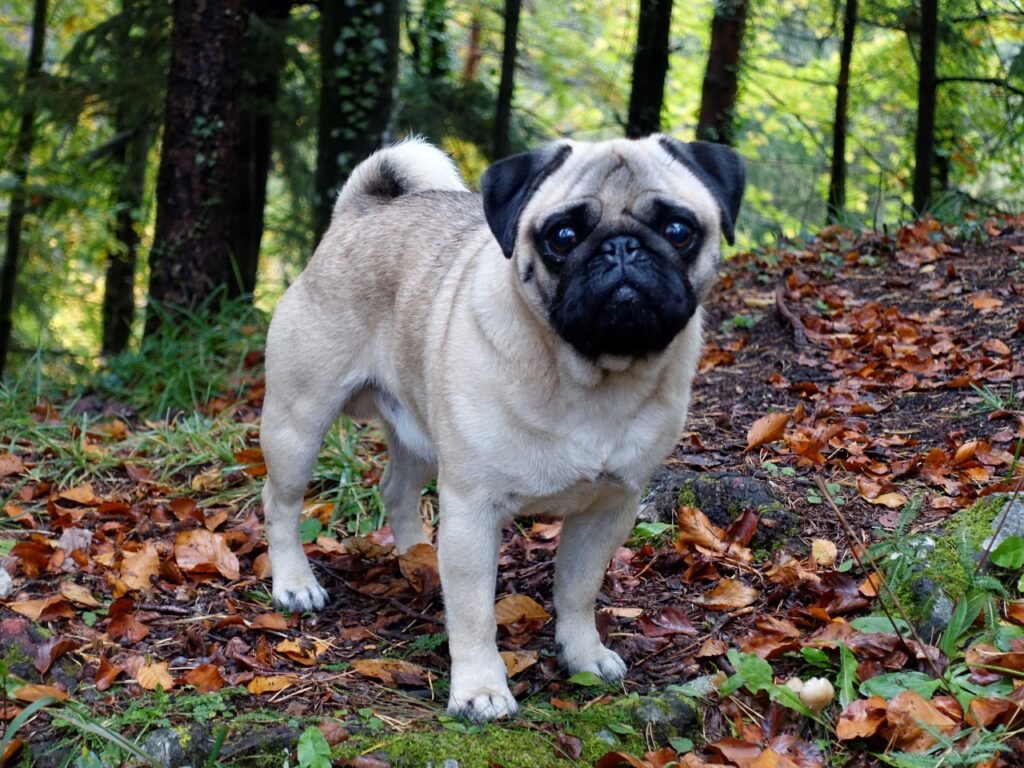
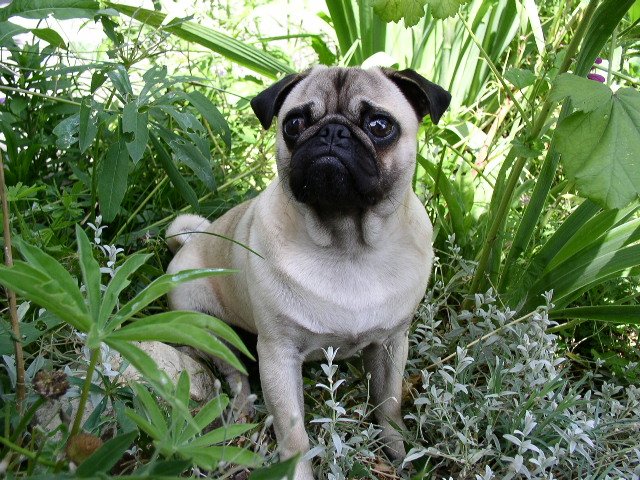
The Pug is a beloved breed recognized for its wrinkled face, expressive eyes, and delightful personality. With a history spanning over 2,000 years, this charming companion has captured the hearts of dog lovers across the world.
Ancient Origins and Royal History
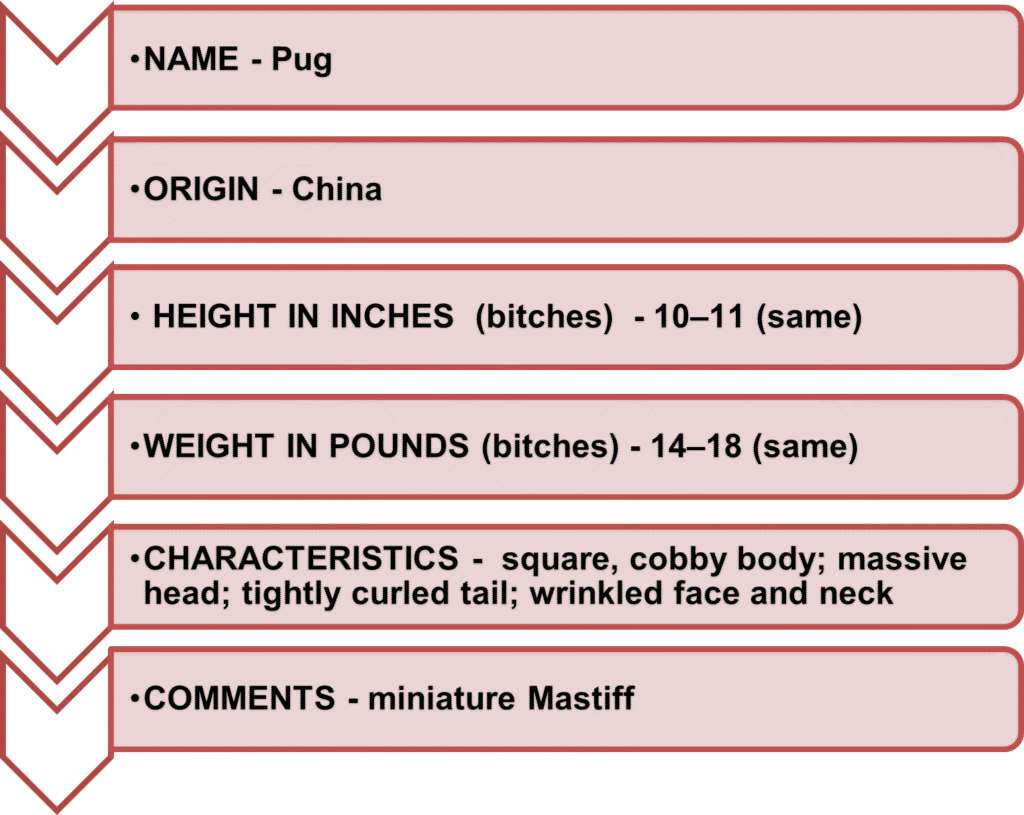
The Pug originated in ancient China, where it was treasured by emperors and considered a symbol of good fortune.
These dogs were often gifted to foreign dignitaries and later gained popularity in Europe. Notably, Queen Victoria played a significant role in popularizing the breed during the 19th century.
Distinctive Appearance
Pugs are easily recognized by their unique and endearing features.
- Wrinkled face with a short muzzle
- Large, round, expressive eyes
- Compact, muscular body
- Curled tail
Their charming appearance is one of the reasons they remain so popular worldwide.
Coat and Colors
The Pug has a short, smooth coat that is easy to maintain.
- Fawn
- Black
- Silver
Their glossy coat adds to their polished and appealing look.
Temperament: Playful and Affectionate
Pugs are known for their loving and entertaining personalities.
Often described as the “clowns” of the dog world, they enjoy making their owners laugh with their playful antics. They are affectionate, sociable, and thrive on companionship, making them excellent family pets.
Care and Lifestyle Needs
Caring for a Pug involves attention to both physical and emotional needs:
- Balanced diet to prevent obesity
- Moderate daily exercise
- Regular grooming and hygiene
- Plenty of companionship and attention
They are well-suited to indoor living and adapt easily to various lifestyles.
Health Considerations
Due to their physical structure, Pugs can be prone to certain health issues:
- Breathing difficulties (brachycephalic structure)
- Obesity
- Eye problems and infections
Regular veterinary care and responsible ownership are essential to maintaining their health and longevity.
Why the Pug Stands Out
The Pug stands out for its unique combination of charm, humor, and affection. Its expressive face and loving nature make it one of the most recognizable and adored toy breeds.
Shih Tzu: The Royal and Affectionate Companion
Discover the Shih Tzu—a royal toy dog breed known for its luxurious coat, affectionate personality, and rich history in Tibetan and Chinese courts.
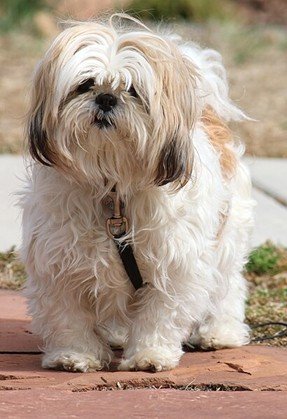
Photo Credit: claralieu 16 March 2022, 14:03:11

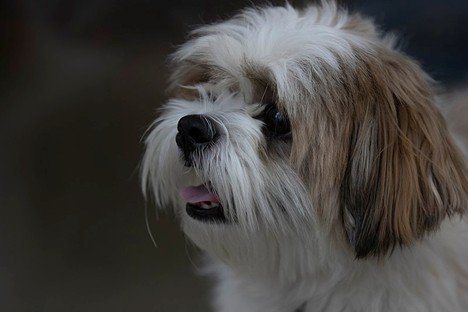
Photo Credit: Mostafameraji 29 June 2022, 13:22:14

Reference : Britannica
The Shih Tzu is a charming and affectionate companion dog with a regal past. Known for its flowing coat and sweet temperament, this breed has long been treasured as a lapdog and loyal companion.
Origins and Royal Heritage
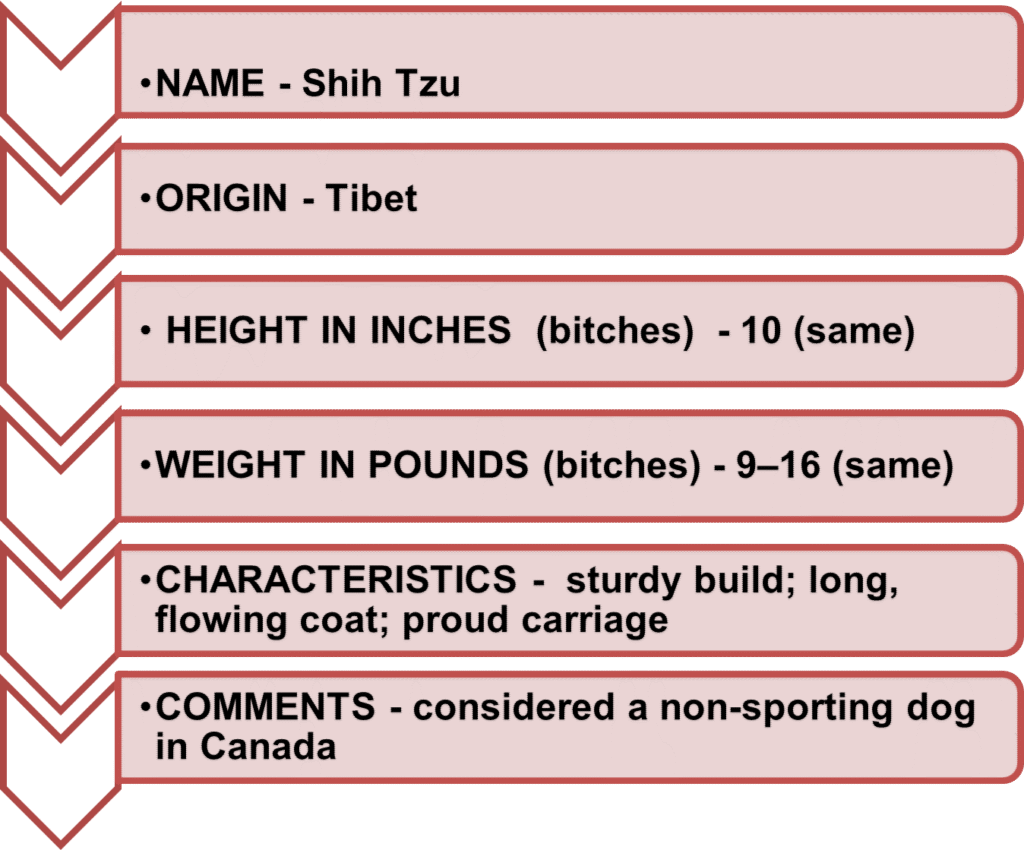
The Shih Tzu is believed to have originated in Tibet, where it was bred by monks as a companion dog valued for its loyalty and intelligence.
The breed later made its way to China, becoming a favorite of the imperial court. Chinese emperors and empresses kept these dogs as treasured palace pets, pampering them with exceptional care and attention.
Key Historical Figures
One of the most influential figures in the development of the Shih Tzu was Empress Dowager Cixi (also known as Tzu Hsi).
She maintained an extensive kennel within the Forbidden City and played a crucial role in refining the breed, emphasizing temperament, health, and beauty.
Another important figure was Lady Brownrigg of England, who imported Shih Tzus to Europe in the early 20th century. Her efforts in breeding and showing the dogs helped establish their popularity in the West.
Distinctive Appearance
The Shih Tzu is known for its elegant and eye-catching appearance.
- Long, flowing double coat
- Short muzzle with a distinctive underbite
- Large, dark, expressive eyes
- Compact and sturdy body
Their luxurious coat and proud posture give them a truly regal presence.
Temperament: Gentle and Devoted
Shih Tzus are known for their affectionate and friendly nature.
They thrive on human companionship and are happiest when spending time with their owners. Their gentle temperament makes them excellent pets for families, seniors, and individuals alike.
Care and Grooming Needs
Caring for a Shih Tzu requires dedication, particularly in grooming:
- Daily brushing to prevent tangles
- Regular grooming and trimming
- Balanced diet and routine veterinary care
- Moderate daily exercise
Consistent care helps maintain their coat and overall health
Role in Society and Dog Shows
The Shih Tzu has made a lasting impact as both a companion animal and a show dog.
With their striking appearance and confident demeanor, they have excelled in conformation shows, obedience trials, and even agility competitions, showcasing their intelligence and versatility.
Why the Shih Tzu Stands Out
The Shih Tzu stands out for its blend of beauty, history, and affectionate personality. Its royal heritage and loving nature make it a timeless favorite among dog enthusiasts.
Final Thoughts
The Shih Tzu continues to bring joy and companionship to homes around the world.
With proper care and attention, this elegant and loving breed will remain a cherished companion for generations to come.
Yorkshire Terrier: The Bold and Elegant Toy Companion
Discover the Yorkshire Terrier—a small yet fearless toy dog breed known for its silky coat, intelligence, and affectionate personality.
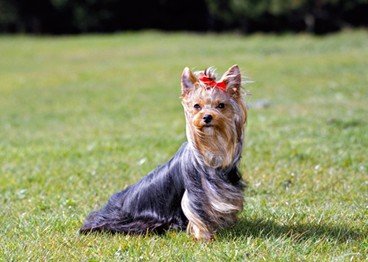
Photo Credit: CaterineH 23 March 2016

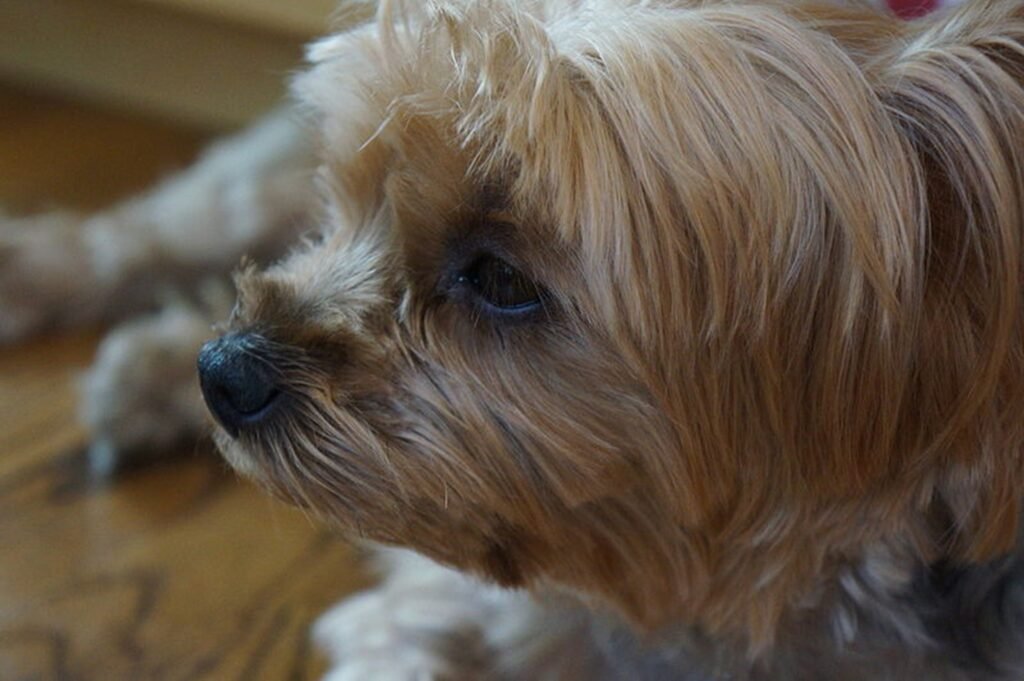
Photo Credit: FASTILY 15 September 2013, 14:57:06

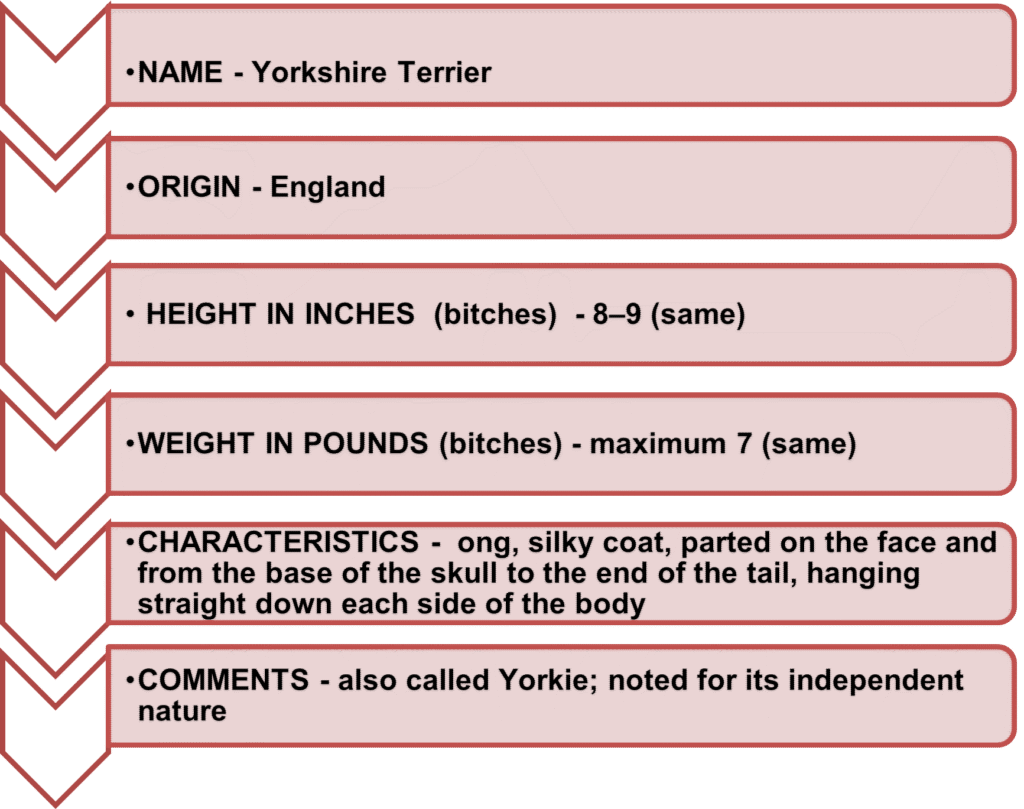
Reference : Britannica
The Yorkshire Terrier, often called the Yorkie, is a small dog with a bold personality. Known for its silky coat and confident nature, this breed has evolved from a hardworking ratter into one of the most loved companion dogs in the world.
Origins and Working Background
The Yorkshire Terrier was originally developed in Yorkshire, England, during the 19th century.
Bred to be small, agile, and fearless, these dogs were used to hunt and control rodent populations in factories and mines. Their courage and determination made them highly effective working dogs despite their size.
Rise as a Companion Dog
Over time, the Yorkshire Terrier transitioned from a working dog to a fashionable companion.
During the Victorian era, the breed became especially popular among high society, admired for its elegant appearance and charming personality.
Distinctive Appearance
Yorkshire Terriers are known for their refined and eye-catching features.
- Long, silky, straight coat
- Steel blue and tan coloration
- Small, compact body
- Alert and confident expression
Their luxurious coat and upright posture give them a sophisticated and elegant look.
Temperament: Confident and Affectionate
The Yorkshire Terrier is known for its lively and loving personality.
They are loyal, affectionate, and thrive on human companionship. Despite their small size, Yorkies are bold and confident, often displaying a fearless attitude.
Training and Activity
Yorkshire Terriers are intelligent and highly trainable. They exhibit the following
- Respond well to consistent training
- Excel in agility and obedience activities
- Enjoy interactive play and mental stimulation
- Adapt well to apartment living
Their intelligence and agility make them excellent participants in dog sports and activities
Care and Grooming Needs
The Yorkshire Terrier requires regular grooming to maintain its coat such as:
- Frequent brushing to prevent tangles
- Regular trimming and grooming
- Dental care to prevent oral issues
- Balanced diet and routine vet visits
Their hypoallergenic coat also makes them a suitable option for some allergy-sensitive owners.
Health Considerations
Like many small breeds, Yorkshire Terriers may be prone to certain health issues like
- Dental problems
- Respiratory concerns
- Luxating patella
Responsible ownership, including regular veterinary care, is essential to maintaining their health and longevity.
Why the Yorkshire Terrier Stands Out
The Yorkshire Terrier stands out for its combination of elegance, intelligence, and bold personality.
From its humble beginnings as a working dog to its role as a beloved companion, the Yorkie continues to capture hearts around the world.
Final Thoughts
The Yorkshire Terrier is a perfect example of a small dog with a big personality.
With proper care, training, and attention, this lively and affectionate breed can bring joy and companionship for many years.
Toy Group Comparative Table
| Breed | Size | Temperament | Grooming Needs | Exercise Needs | Best For |
| Pug | Small | Playful, affectionate | Low | Low | Families, seniors |
| Shih Tzu | Small | Gentle, Loyal | High | Low-Moderate | Families, Lapdog lovers |
| Pomeranian | Small | Bold, Lively | Moderate-High | Moderate | Active owners |
| Yorkshire Terrier | Small | Confident, affectionate | High | Moderate | Apartments, singles |
| Chihuahua | Very Small | Alert, Loyal | Low | Low | Singles, small homes |
| Maltese | Small | Gentle, playful | High | Low | Allergy-sensitive owners |
| Cavalier King Charles Spaniel | Small | Affectionate, gentle adaptable | Moderate | Moderate | Families, therapy homes |