
A. Types of Dogs
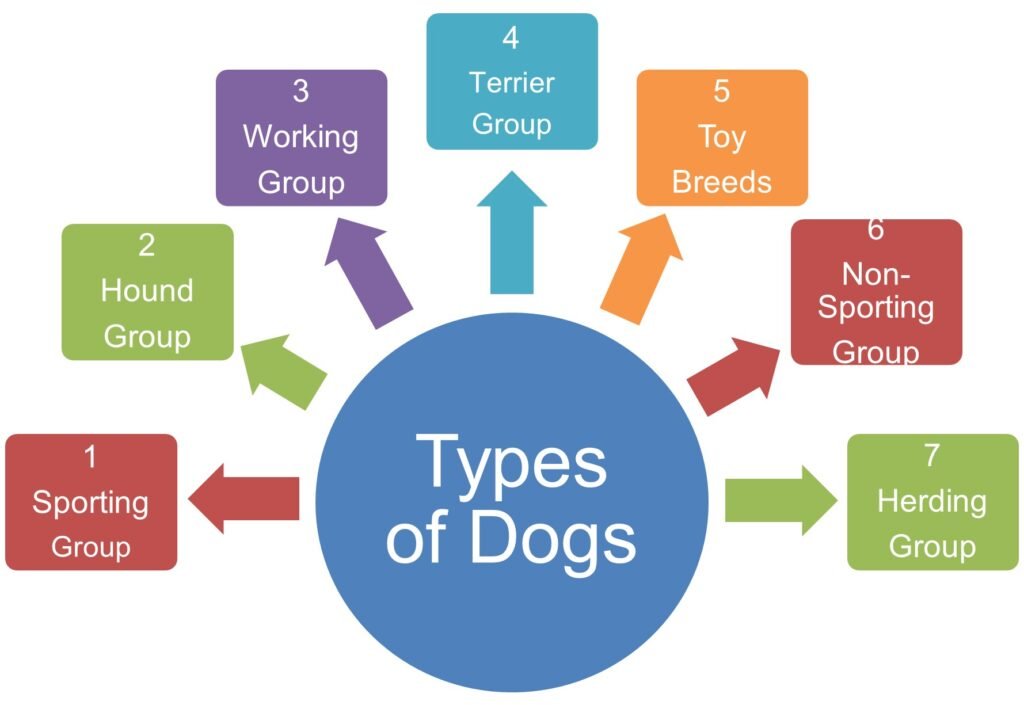
A.3. Dog Working Group: Intelligent, Strong and Purpose-Driven Companions
Explore the Dog Working Group—powerful, intelligent breeds known for herding, guarding, and rescue work. Discover their traits, roles, and why they excel.
The Dog Working Group is a fascinating category within the canine world, consisting of breeds known for their intelligence, strength, and strong sense of purpose. These dogs were developed to perform essential tasks, making them reliable partners in both historical and modern settings.
What Is the Dog Working Group?
The Working Group includes dogs that were specifically bred to perform jobs such as herding livestock, guarding property, pulling sleds, and assisting in rescue operations. These breeds are valued for their physical power, mental sharpness, and ability to handle demanding tasks.
Key Traits of Working Dogs
• High intelligence and problem-solving ability
• Strong, muscular build
• Loyal and protective nature
• High energy and stamina
• Strong work ethic and trainability
Roles and Responsibilities
Working dogs play a wide range of important roles, including:
• Herding livestock on farms
• Guarding homes and property
• Assisting in search and rescue missions
• Supporting law enforcement and military work
• Serving as service and therapy dogs
Why Working Dogs Are Special
What sets working dogs apart is their unwavering dedication and ability to form strong partnerships with humans. Their intelligence allows them to learn complex tasks, while their physical strength enables them to perform demanding work.
These dogs thrive when given purpose and structure, making them highly rewarding companions for active and experienced owners.
Is a Working Dog Right for You?
Before choosing a working breed, it’s important to consider your lifestyle. These dogs typically require:
• Regular physical exercise
• Mental stimulation and training
• Space to move and explore
• Consistent leadership and structure
Without proper engagement, working dogs may become bored or develop unwanted behaviors.
Sample Dogs under Working Group
Great Dane: The Gentle Giant with a Majestic Presence
Discover the Great Dane—one of the tallest dog breeds known for its gentle nature, regal appearance, and loyal companionship. Perfect for families with space.

.jpg)
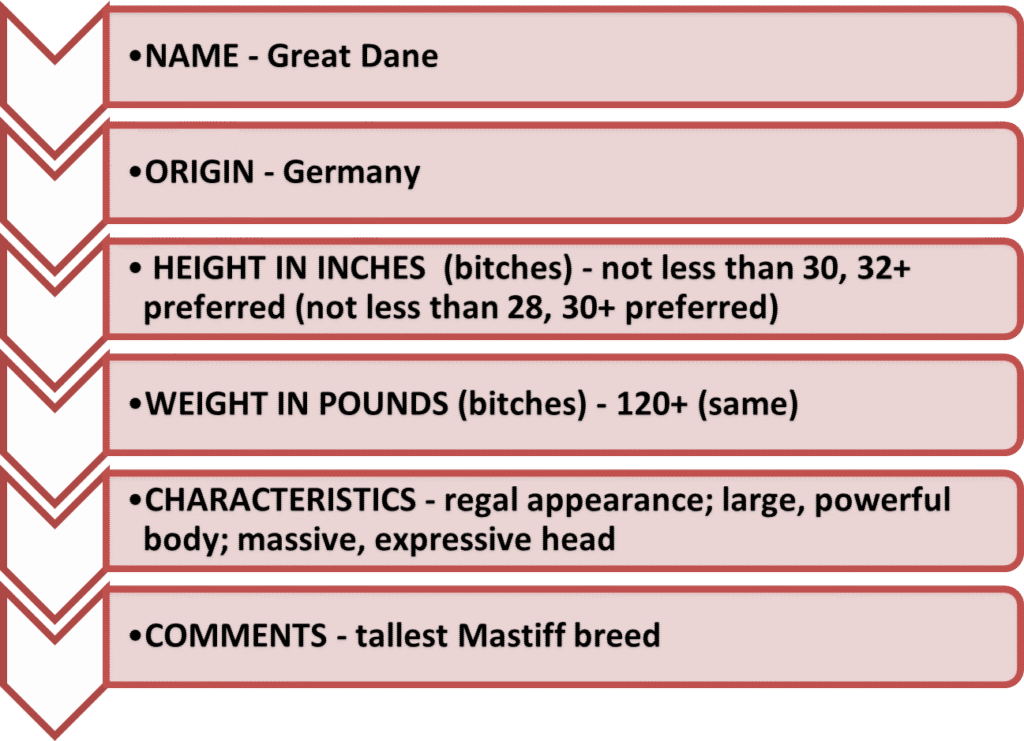
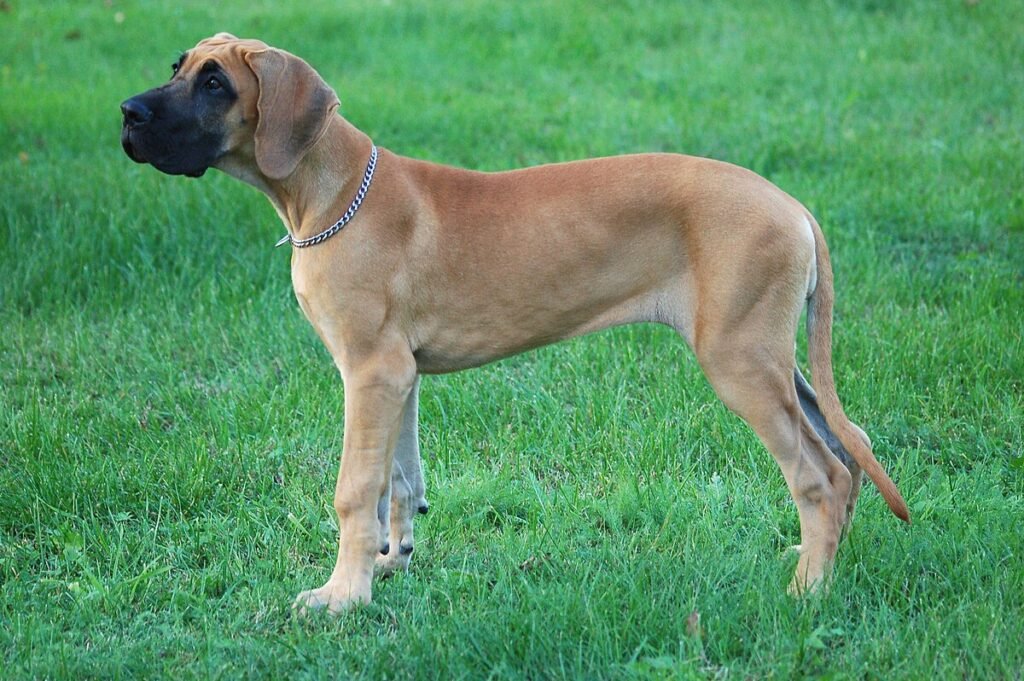
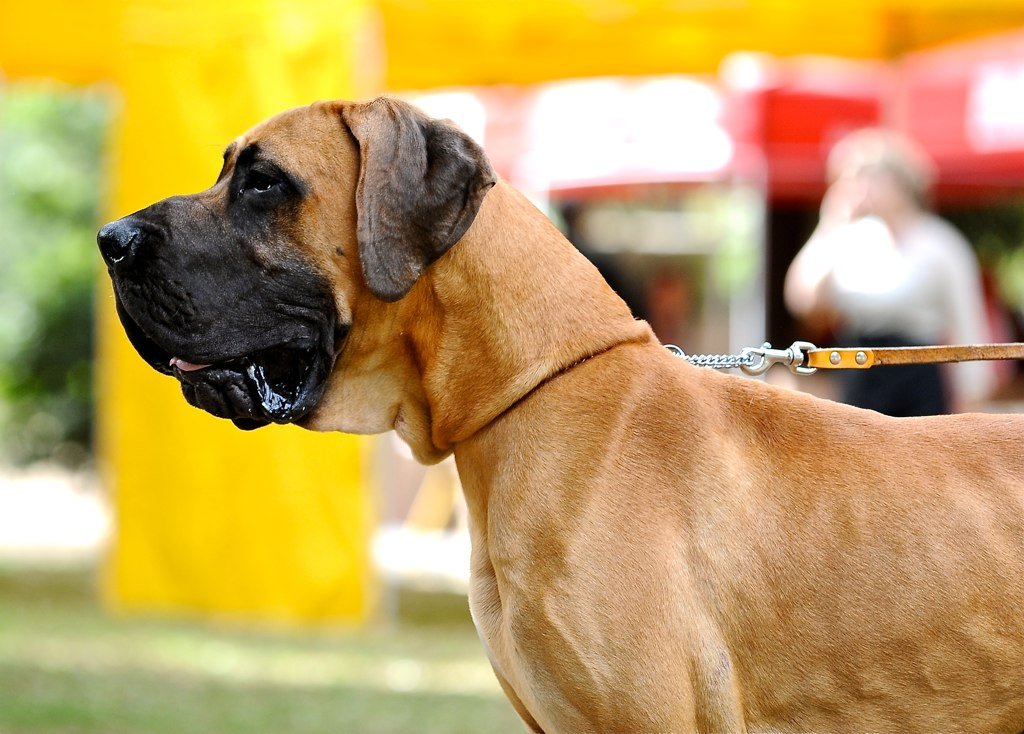
The Great Dane, often called the “gentle giant” of the dog world, is a majestic and impressive breed that naturally commands attention. With its towering height and aristocratic appearance, this dog is both powerful and elegant, making it one of the most recognizable breeds worldwide.
Towering Size and Physical Presence
What truly sets the Great Dane apart is its remarkable size. Standing between 28 to 34 inches at the shoulder, it is widely regarded as one of the tallest dog breeds in the world.
Despite their imposing stature, Great Danes are known for their calm and friendly nature. Their muscular build reflects strength and power, while their expressive eyes and relaxed posture reveal a gentle and affectionate personality.
Temperament: A True Gentle Giant
Great Danes are famous for their sweet and easygoing temperament. They are loyal, affectionate, and deeply devoted to their families, often forming strong emotional bonds with their owners.
While their size may seem intimidating, they are typically gentle, patient, and friendly—even with children. Many Great Danes enjoy lounging indoors and are happiest when close to their human companions.
History and Origins
The origins of the Great Dane can be traced back to ancient civilizations, with depictions of similar large dogs found in Egyptian and Babylonian artifacts.
In Europe, the breed was refined and used for hunting wild boar, valued for its courage, strength, and loyalty. Over time, the Great Dane transitioned from a hunting dog to a beloved companion known for its noble presence.
Appearance and Coat
The Great Dane is a striking breed with a sleek, short coat that is both elegant and easy to maintain.
• Coat colors include fawn, brindle, blue, and black
• Minimal grooming required due to short hair
• Long neck and deep chest create a regal silhouette
• Floppy ears and expressive eyes add warmth and charm
Overall, the breed’s appearance combines grace, power, and sophistication.
Care Needs and Lifestyle
Although Great Danes are relatively low-maintenance in grooming, they require proper care due to their size:
• Spacious living environment is ideal
• Moderate daily exercise
• Balanced diet to support large-breed health
• Comfortable resting areas due to their size
They thrive in homes where they have space to stretch out and relax while staying close to their family.
Why the Great Dane Stands Out
The Great Dane’s unique combination of size, elegance, and gentle temperament makes it one of the most remarkable dog breeds. Its ability to be both a powerful presence and a loving companion sets it apart from many others.
Final Thoughts
The Great Dane is truly a breed like no other. With its towering stature, affectionate nature, and regal appearance, it leaves a lasting impression on everyone it meets.
Whether standing proudly or relaxing at home, this gentle giant embodies strength, grace, and loyalty. For those who can accommodate its size and needs, the Great Dane offers a deeply rewarding companionship filled with love and devotion.
Akita Dog: The Loyal and Majestic Guardian from Japan
Discover the Akita dog breed—known for its strength, loyalty, and noble presence. Learn about its history, temperament, and why it’s a symbol of devotion.
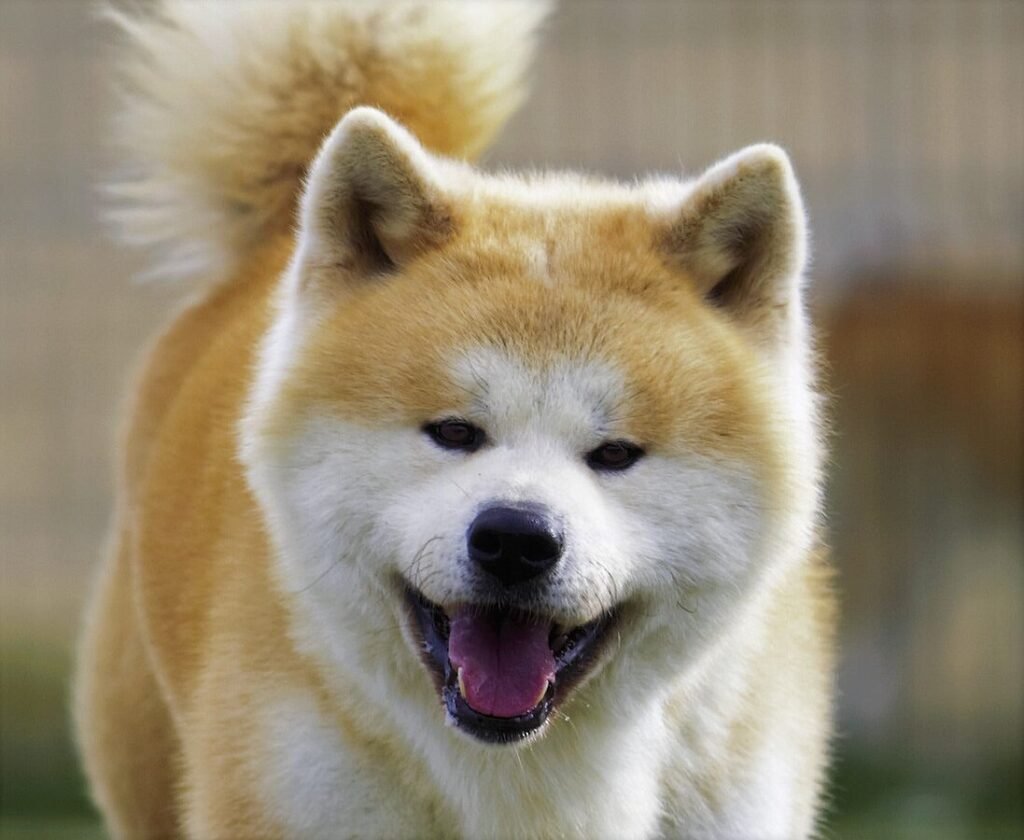

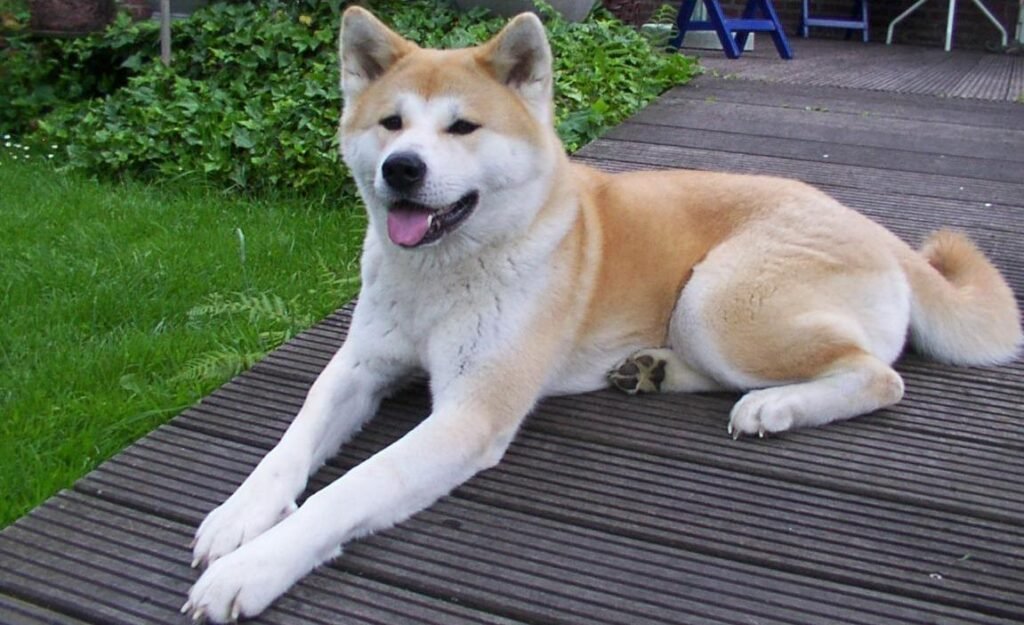

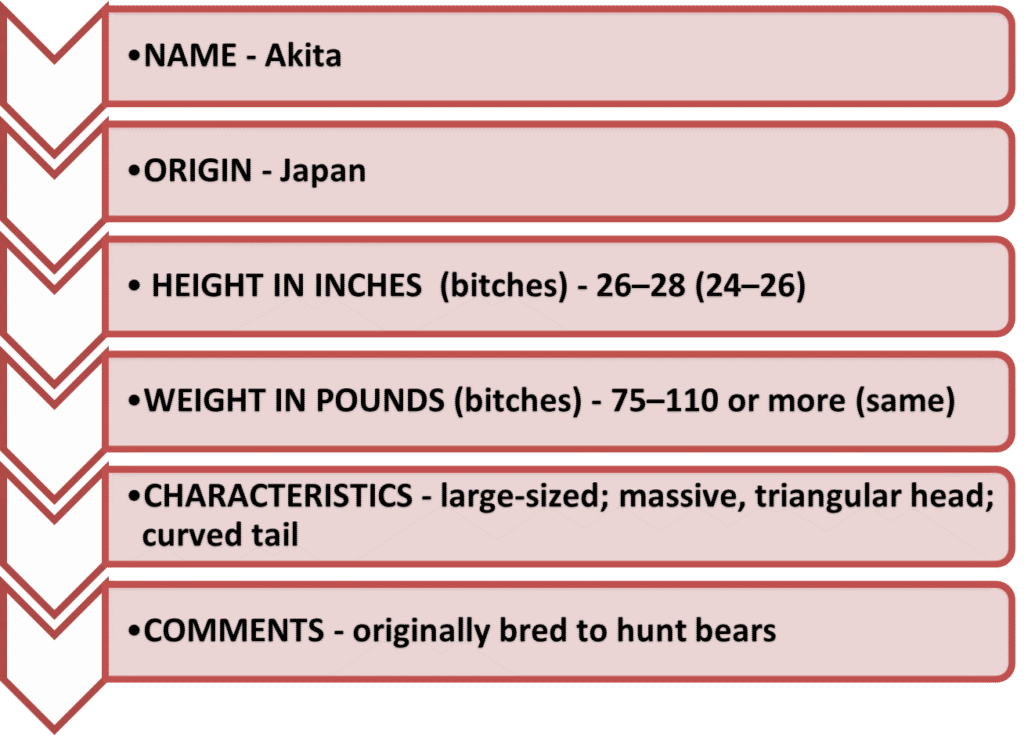
The Akita is a majestic and powerful dog breed that originates from Japan. Known for its strength, courage, and unwavering loyalty, the Akita has earned a reputation as one of the most devoted companions in the canine world. Its noble presence and deep bond with its owners make it a truly remarkable breed.
Striking Appearance and Build
The Akita is a large and muscular dog with an imposing yet dignified presence. Its physical features reflect both strength and elegance.
• Broad head and strong jaw
• Upright, triangular ears
• Thick double coat for insulation
• Curled tail carried over the back
Akitas come in a variety of coat colors, including white, brindle, and red. Their confident expression and alert eyes convey intelligence, awareness, and calm authority.
Temperament: Loyal and Protective
Akitas are known for their deep loyalty and protective instincts. They form strong bonds with their families and are naturally watchful, making them excellent guard dogs.
While affectionate with their loved ones, Akitas can be reserved or cautious around strangers. They thrive with consistent training and early socialization, which helps them develop into well-balanced companions.
History and Cultural Significance
The Akita’s origins trace back to ancient Japan, where it was bred to hunt large game such as bears, boars, and elk. Its strength, agility, and bravery made it a valuable hunting companion.
Over time, the Akita became a symbol of good luck, health, and happiness in Japanese culture. These dogs were often given as gifts to convey wishes of prosperity, protection, and well-being.
Survival and Revival
During World War II, the Akita breed faced near extinction due to food shortages and strict government regulations. Many dogs were lost, but dedicated breeders worked tirelessly to preserve and restore the breed.
Thanks to these efforts, the Akita survived and continues to thrive today as a globally admired breed.
The Story of Hachiko: A Symbol of Loyalty
One of the most famous Akitas is Hachikō, whose story has become a powerful symbol of devotion.
Hachiko waited for his owner at a train station every day—even for nearly ten years after his owner passed away. His unwavering loyalty touched hearts worldwide and cemented the Akita’s reputation as one of the most faithful dog breeds.
Care Needs and Lifestyle
Akitas require dedicated care and attention due to their size and temperament:
• Regular exercise to maintain health
• Consistent training and socialization
• Moderate grooming due to thick coat
• Strong leadership from experienced owners
They are best suited for owners who understand their independent nature and can provide structure and guidance.
Why the Akita Stands Out
The Akita’s combination of strength, intelligence, and loyalty makes it one of the most respected dog breeds in the world. Its calm confidence and protective instincts set it apart as both a guardian and a devoted companion.
Final Thoughts
The Akita is more than just a beautiful and powerful dog—it is a symbol of loyalty, courage, and enduring love. From its rich history in Japan to the inspiring story of Hachiko, this breed continues to capture hearts across generations.
For those who can meet its needs, the Akita offers a deeply rewarding bond built on trust, respect, and unwavering devotion.
Siberian Husky: The Energetic and Striking Sled Dog Companion
Discover the Siberian Husky—an energetic, friendly, and striking dog breed known for endurance, beauty, and a rich sledding history.
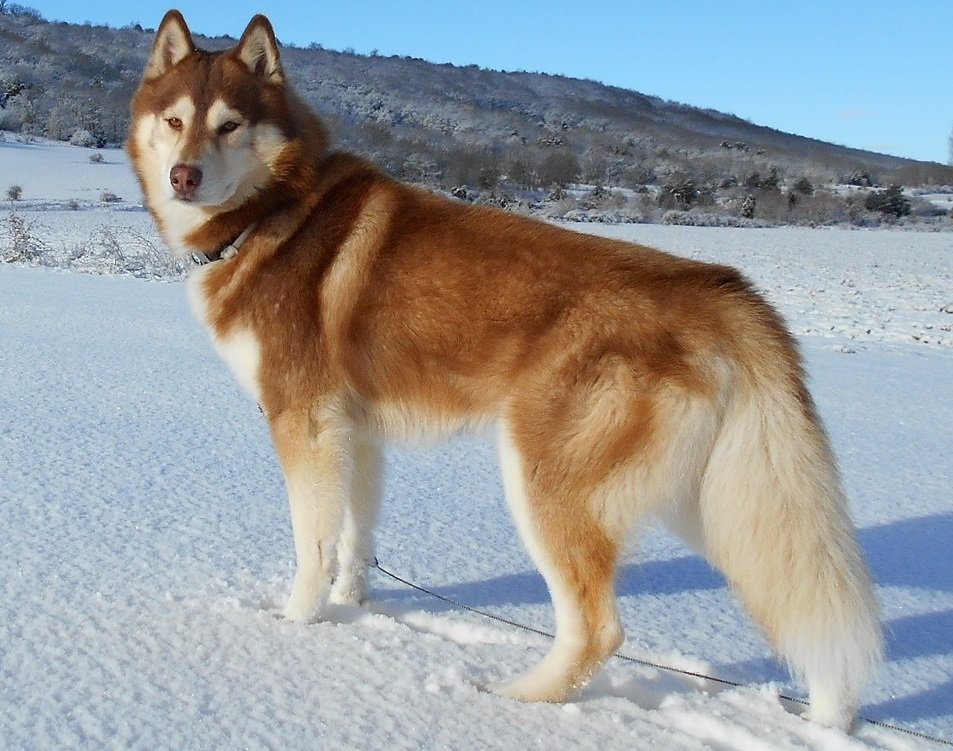

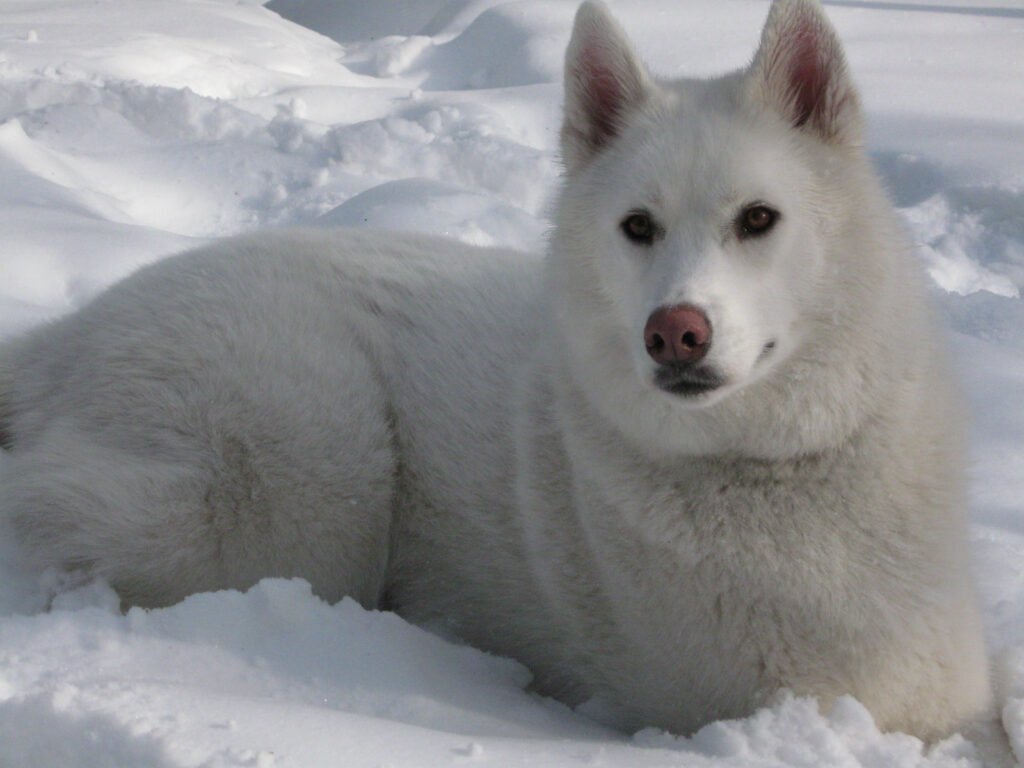

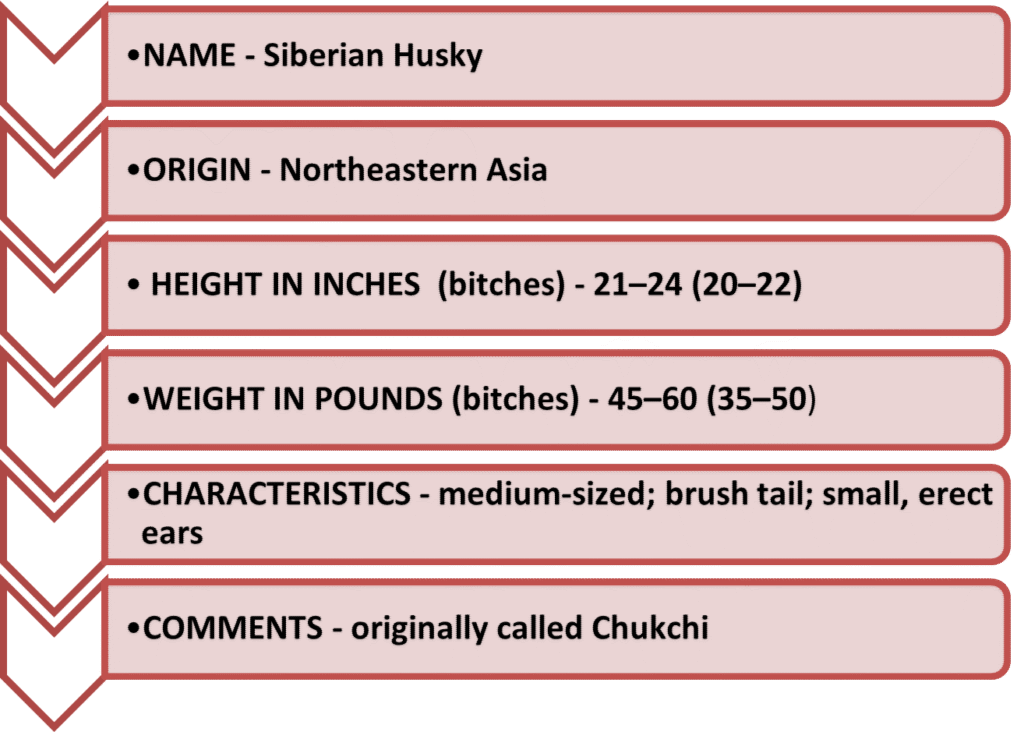
The Siberian Husky is a magnificent and energetic dog breed admired for its striking appearance, incredible endurance, and friendly personality. Originating from northeastern Siberia, this breed has captured the hearts of dog lovers worldwide with its unique combination of beauty, strength, and charm.
Distinctive Appearance and Coat
One of the most recognizable features of the Siberian Husky is its stunning coat and eye-catching expression.
• Thick double coat for cold-weather protection
• Coat colors include black, gray, red, and pure white
• Almond-shaped eyes (blue, brown, or bi-colored)
• Athletic and well-balanced build
Their expressive eyes and wolf-like appearance give them a captivating and unforgettable look.
Endurance and Athletic Ability
Siberian Huskies are built for stamina and strength. Originally bred as sled dogs by the Chukchi people, they are capable of pulling loads over long distances in harsh conditions.
Their athleticism makes them excellent companions for active pursuits such as:
• Sledding and mushing
• Skijoring
• Running and hiking
• Agility training
Friendly and Social Temperament
Despite their working background, Siberian Huskies are known for their friendly and outgoing nature. They are affectionate, gentle, and enjoy being around people.
Huskies are highly social animals that thrive in a pack environment. They love companionship and do best in homes where they receive plenty of interaction and activity.
History and Cultural Significance
The Siberian Husky has a rich history tied to the Chukchi people of northeastern Siberia. These dogs played a crucial role in survival, helping transport food, supplies, and even people across vast frozen landscapes.
This deep partnership between humans and Huskies highlights their loyalty, resilience, and importance as working companions.
Care Needs and Lifestyle
Siberian Huskies require dedicated care to stay healthy and happy:
• High daily exercise and mental stimulation
• Regular grooming due to seasonal shedding
• Secure spaces (they are known escape artists)
• Strong leadership and consistent training
They are best suited for active owners who can meet their energy and engagement needs.
Why the Siberian Husky Stands Out
The Siberian Husky stands out for its perfect balance of beauty, endurance, and personality. Its ability to work tirelessly while remaining affectionate and playful makes it a unique and versatile breed.
Final Thoughts
The Siberian Husky is a breed that truly embodies strength, grace, and companionship. From its breathtaking appearance to its friendly and energetic nature, it continues to be a favorite among dog lovers worldwide.
Whether racing across snowy landscapes or relaxing at home, the Siberian Husky brings joy, loyalty, and excitement to every household it joins.
Doberman Pinscher: The Intelligent and Loyal Guardian
Discover the Doberman Pinscher—an intelligent, loyal, and powerful dog breed known for protection, elegance, and strong companionship.
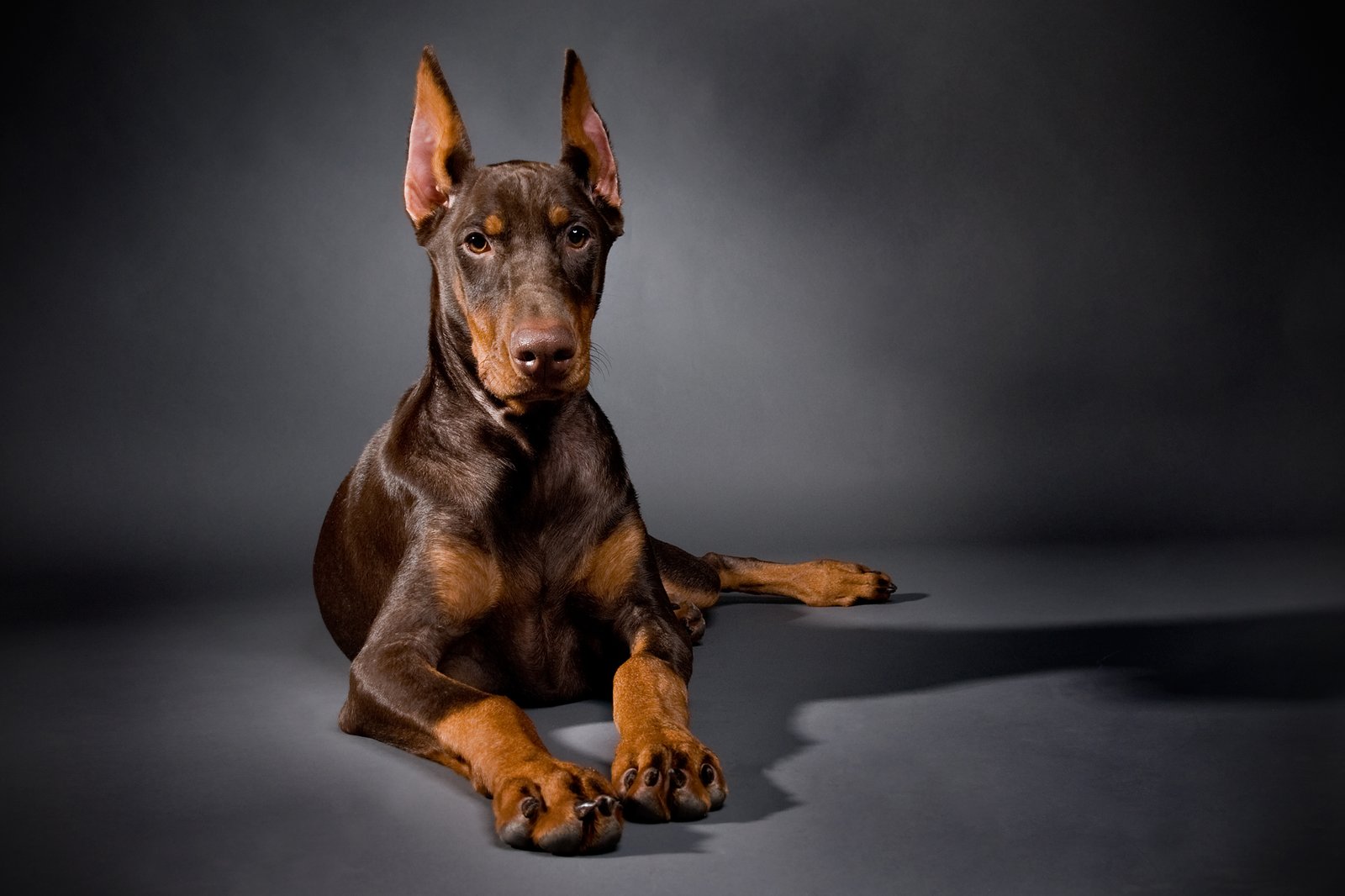

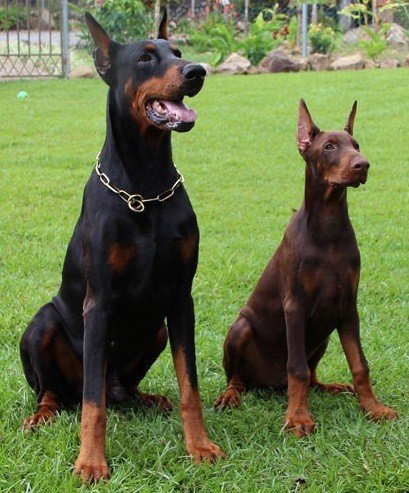

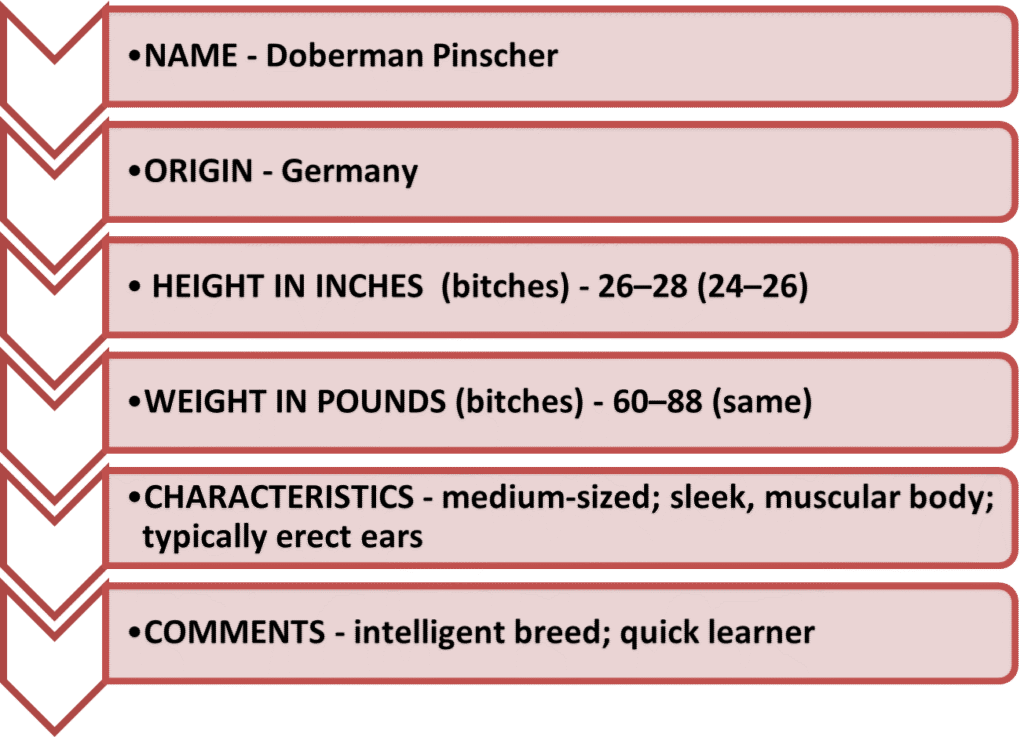
The Doberman Pinscher is a striking and powerful dog breed admired for its sleek appearance, sharp intelligence, and unwavering loyalty. Often recognized as both a fearless protector and a devoted companion, the Doberman has earned its place as one of the most respected working breeds in the world.
Elegant Appearance and Build
The Doberman Pinscher is known for its athletic and muscular physique, combining strength with elegance.
• Sleek, short coat with minimal shedding
• Standard colors: black, red, blue, and fawn
• Lean, muscular body built for speed and agility
• Alert posture and confident stance
Traditionally, Dobermans were known for cropped ears and docked tails, though these practices are becoming less common as attitudes toward cosmetic procedures evolve.
Temperament: Intelligent and Protective
Dobermans are highly intelligent, alert, and loyal dogs. They are naturally protective of their families and are often used as guard dogs due to their keen instincts and courage.
Despite their strong protective nature, Dobermans are also affectionate and form deep bonds with their owners. With proper training and socialization, they become well-balanced, obedient, and loving companions.
History and Origins
The Doberman Pinscher originated in Germany during the late 19th century and was developed by Louis Dobermann. He sought a loyal and protective dog to accompany him during his work as a tax collector.
Through selective breeding, he created a versatile dog that excelled in protection and later became widely used in police work, military roles, and search and rescue operations.
Versatility and Working Roles
Dobermans are highly adaptable and excel in a variety of roles, including:
• Guard and protection work
• Police and military service
• Search and rescue missions
• Therapy and service roles
• Competitive dog sports
Their intelligence and trainability make them one of the most versatile working breeds.
Care Needs and Lifestyle
Doberman Pinschers require consistent care to stay healthy and well-behaved:
• Regular exercise and physical activity
• Mental stimulation through training and games
• Occasional brushing for coat maintenance
• Early socialization and structured training
They thrive in active households where they receive both physical and mental engagement.
Why the Doberman Pinscher Stands Out
The Doberman stands out for its perfect balance of intelligence, loyalty, and strength. Its ability to protect while remaining affectionate makes it both a dependable guardian and a loving family companion.
Final Thoughts
The Doberman Pinscher is a remarkable breed that combines elegance, athleticism, and devotion. Whether serving as a protector or a companion, it continues to impress dog lovers around the world.
With proper care, training, and attention, the Doberman becomes a loyal partner capable of forming deep and lasting bonds with its family.
Saint Bernard: The Gentle Giant and Legendary Alpine Rescuer
Discover the Saint Bernard—one of the largest dog breeds known for its gentle nature, rescue history, and loyal companionship. Perfect for families with space.
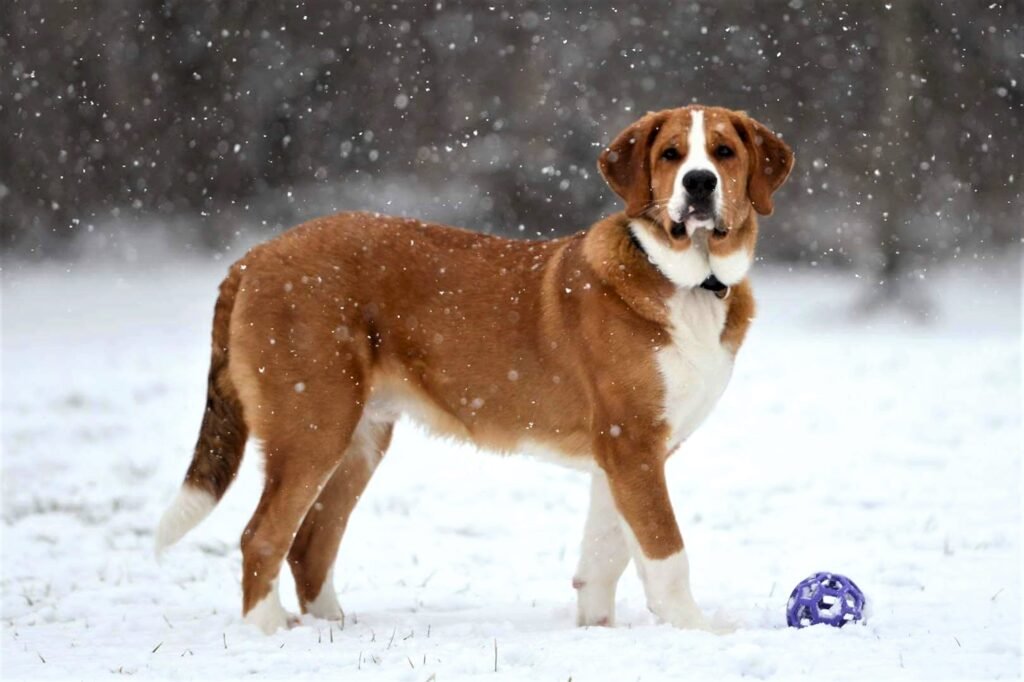

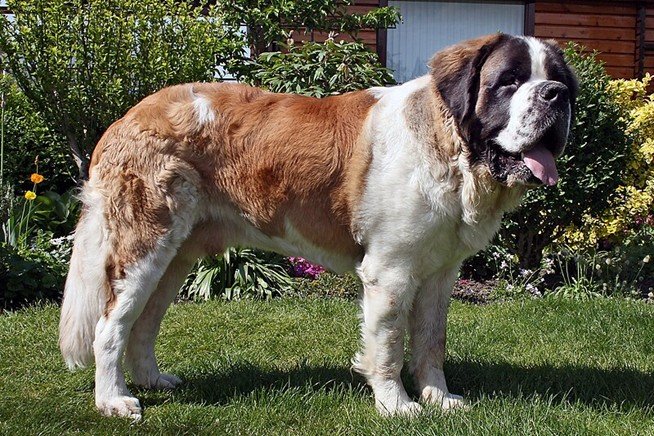

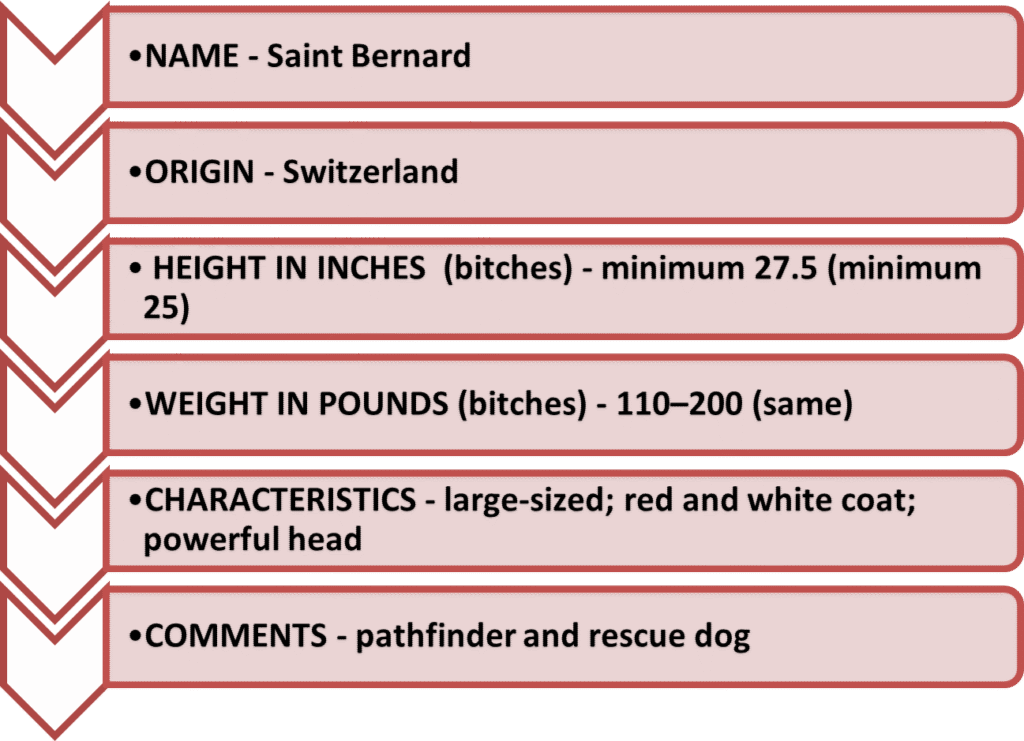
The Saint Bernard is a majestic and gentle giant, admired for its massive size, kind temperament, and heroic history. Originating from the Swiss Alps, this breed was famously used by monks to rescue travelers lost in the snow. Today, the Saint Bernard is loved not only for its bravery but also for its affectionate and loyal nature.
Impressive Size and Physical Presence
One of the most striking features of the Saint Bernard is its enormous size, making it one of the largest dog breeds in the world.
• Males can weigh up to 180 pounds
• Height often exceeds 27 inches at the shoulder
• Strong, muscular build
• Thick coat suited for cold climates
Despite their imposing appearance, Saint Bernards are incredibly gentle and calm, especially around children.
Temperament: Calm, Gentle, and Affectionate
Saint Bernards are known for their sweet and loving personalities. They are patient, friendly, and thrive in family environments.
Often referred to as “nanny dogs,” they are especially gentle with children and display a protective yet calm demeanor. Their affectionate nature makes them excellent companions for households seeking a loyal and dependable pet.
History and Rescue Legacy
The Saint Bernard originated in the Swiss Alps, where monks at the Great St. Bernard Pass bred and trained these dogs for rescue missions.
They were used to locate and save travelers trapped in snowstorms, showcasing their strength, endurance, and remarkable sense of direction. This heroic role helped establish the breed’s legacy as one of the most respected rescue dogs in history.
History and Rescue Legacy
The Saint Bernard originated in the Swiss Alps, where monks at the Great St. Bernard Pass bred and trained these dogs for rescue missions.
They were used to locate and save travelers trapped in snowstorms, showcasing their strength, endurance, and remarkable sense of direction. This heroic role helped establish the breed’s legacy as one of the most respected rescue dogs in history.
Versatility and Modern Roles
Today, Saint Bernards continue to excel in a variety of roles beyond their historic rescue work:
• Therapy and emotional support dogs
• Search and rescue operations
• Family companions
• Dog sports and training activities
Their intelligence and willingness to please make them adaptable and valuable in many settings.
Care Needs and Lifestyle
Due to their size and coat, Saint Bernards require proper care and attention:
• Spacious living environment
• Moderate daily exercise
• Regular grooming due to shedding
• Balanced nutrition for large breeds
They thrive in homes where they have room to move and plenty of interaction with their family
Why the Saint Bernard Stands Out
The Saint Bernard stands out for its unique blend of strength, compassion, and loyalty. Its ability to be both a powerful working dog and a gentle family companion makes it truly special.
Final Thoughts
The Saint Bernard is a remarkable breed with a rich history and a heart full of love. From rescuing stranded travelers in the Alps to becoming a cherished family pet, this gentle giant continues to leave a lasting impression.
For those who can accommodate its size and care needs, the Saint Bernard offers unwavering loyalty, affection, and companionship that few breeds can match.
Boxer Dog: The Energetic, Loyal, and Playful Family Companion
Discover the Boxer dog—an energetic, loyal, and intelligent breed known for its playful personality, strength, and devotion to family life
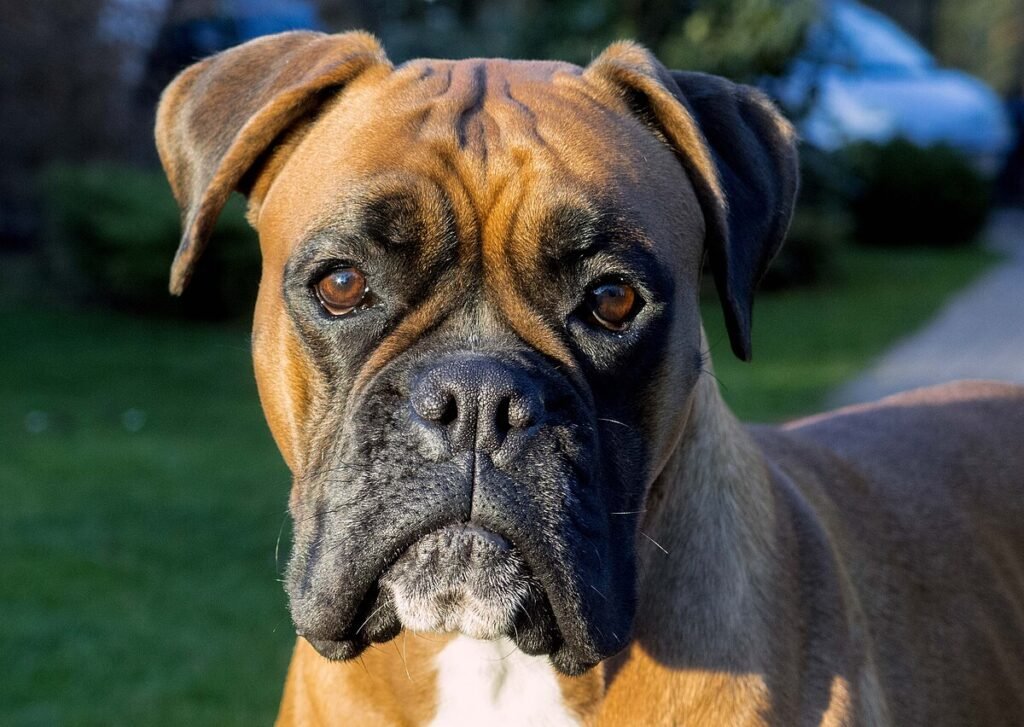

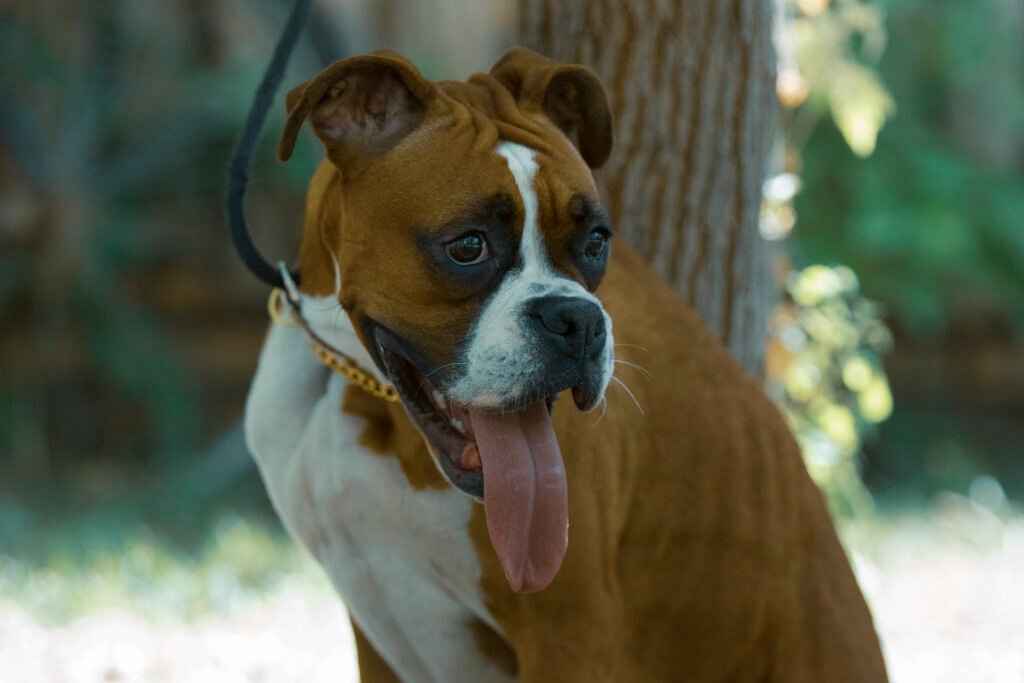

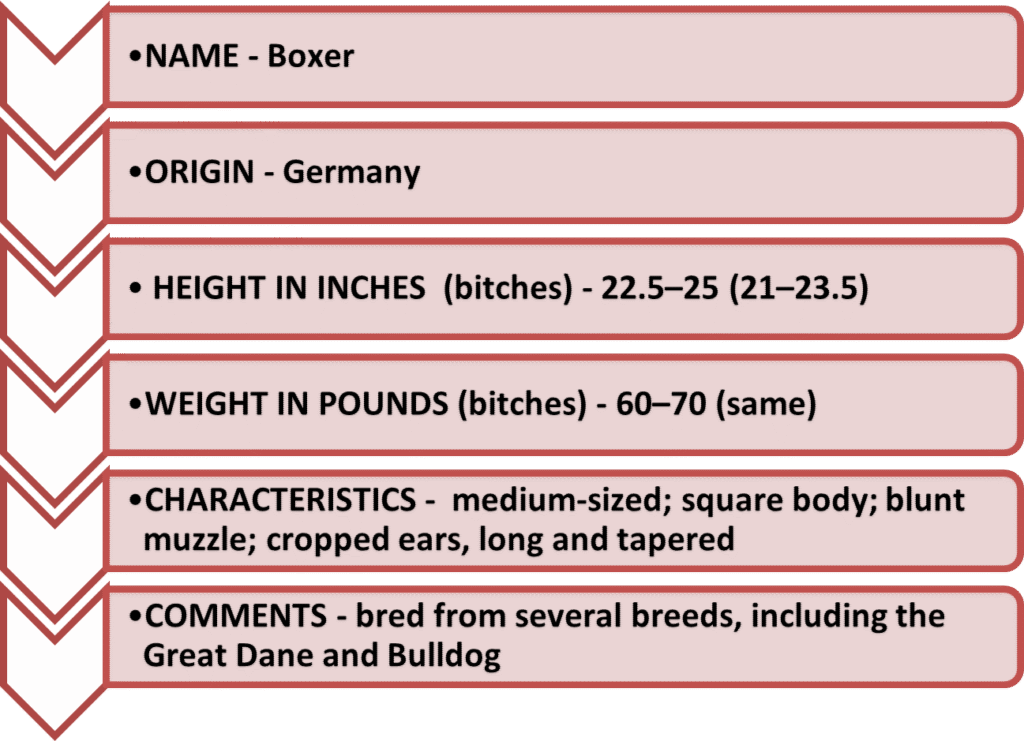
The Boxer dog is a beloved breed recognized for its muscular build, distinctive appearance, and loyal personality. Originally developed in Germany, Boxers have become popular worldwide as both dependable working dogs and affectionate family companions.
Distinctive Appearance and Build
Boxers are medium to large-sized dogs with a strong, athletic physique that reflects their working heritage.
• Short, smooth coat (fawn or brindle)
• Broad, square-shaped head
• Wrinkled forehead and expressive face
• Distinctive underbite
One of the most charming features of the Boxer is its expressive face, capable of showing a wide range of emotions—from playful excitement to focused alertness.
Temperament: Playful, Loyal, and Protective
Boxers are known for their high energy and playful nature. They are affectionate, loyal, and form strong bonds with their families.
They are especially good with children, often displaying patience and a protective instinct. Their alertness and courage also make them effective watchdogs.
History and Origins
The Boxer originated in 19th-century Germany and was developed by crossing the now-extinct Bullenbeisser with English Bulldogs.
Initially used for hunting large game and later for bull baiting, Boxers eventually transitioned into versatile working dogs. They served in roles such as guarding, police work, and even military service during World War I.
Versatility and Working Roles
Boxers are highly adaptable and have excelled in a variety of roles, including:
• Guard and protection work
• Police and military service
• Search and rescue
• Therapy and service roles
• Family companionship
Their intelligence and eagerness to please make them highly trainable and versatile.
Care Needs and Lifestyle
Boxers require an active and engaging lifestyle to stay happy and healthy:
• Daily exercise and playtime
• Mental stimulation and training
• Minimal grooming due to short coat
• Social interaction and companionship
They thrive in active households where they can be part of daily activities.
Why the Boxer Stands Out
This breed stands out for its unique blend of strength, energy, and affection. Its playful spirit combined with a protective nature makes it both a fun companion and a reliable guardian.
Final Thoughts
The Boxer is a remarkable breed that brings together athleticism, intelligence, and loyalty. From its working-dog roots to its role as a loving family pet, the Boxer continues to win hearts around the world.
For those who can match its energy and provide consistent training, the Boxer offers a lifetime of companionship, joy, and devotion.
Rottweiler: The Powerful, Loyal, and Protective Companion
Discover the Rottweiler—an intelligent, powerful, and loyal dog breed known for its protective instincts, strength, and devotion to family.

.jpg)
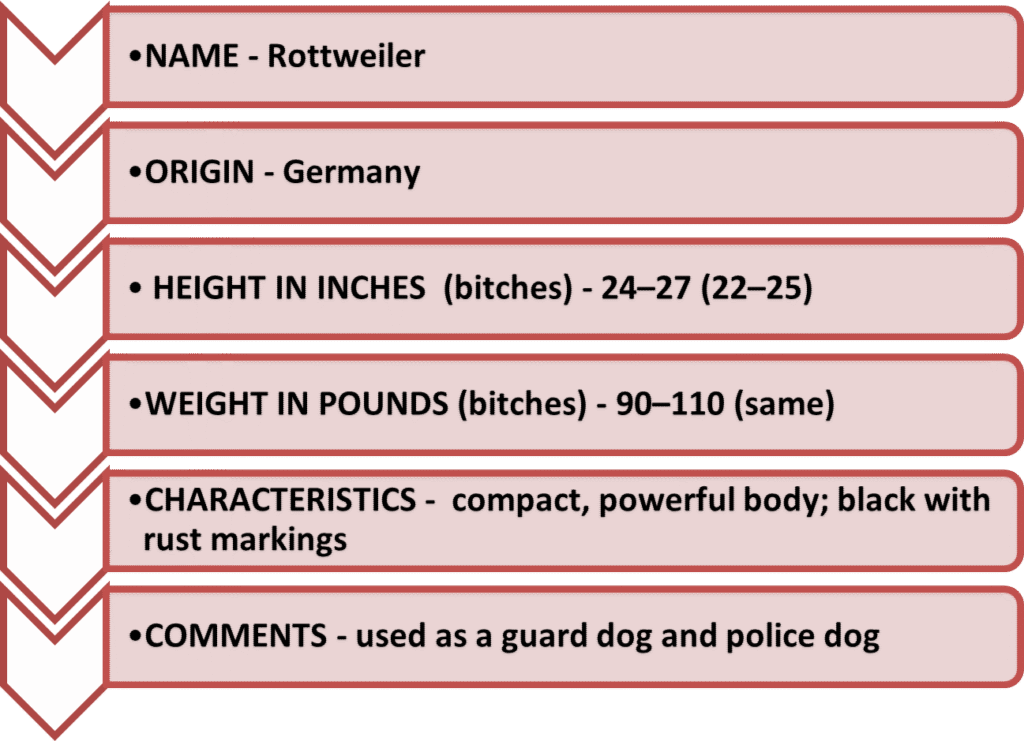
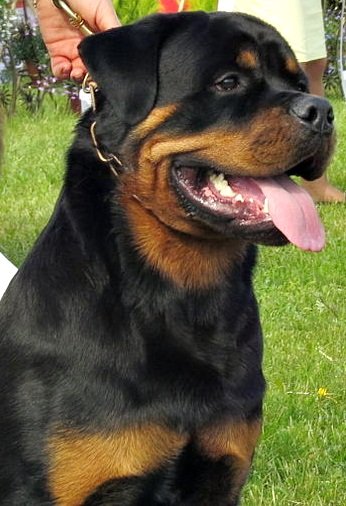
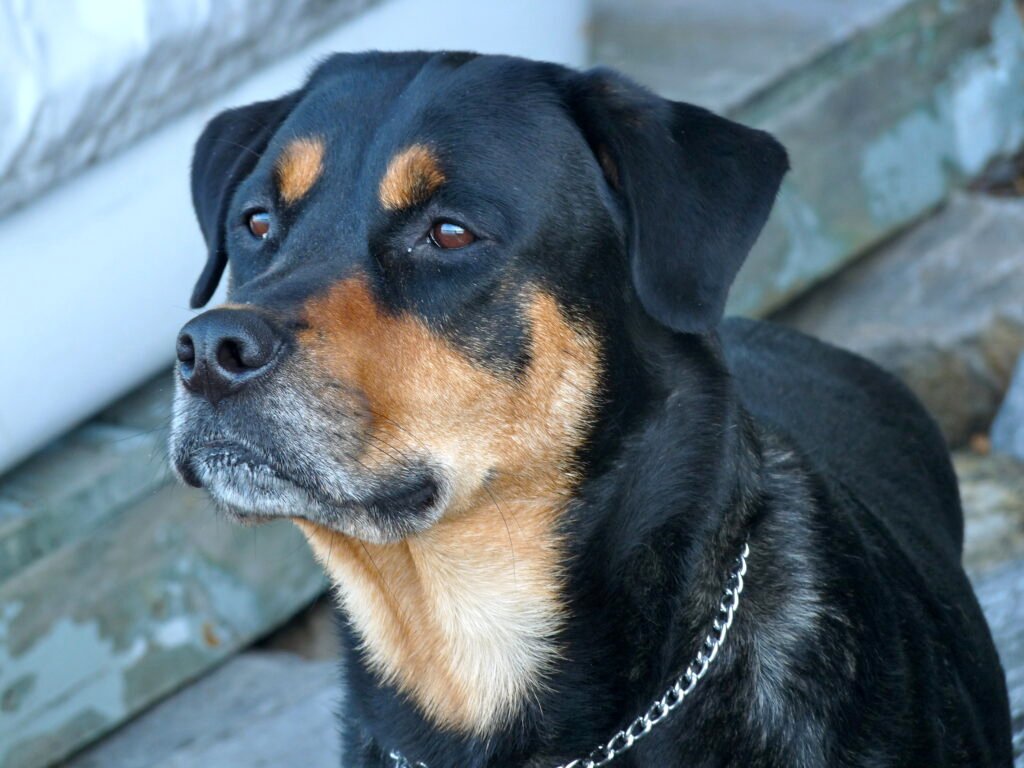
The Rottweiler is a strong and confident breed admired for its powerful build, intelligence, and unwavering loyalty. Originally bred for herding and guarding, this versatile dog has evolved into both a dependable working partner and a devoted family companion.
Powerful Build and Physical Strength
One of the most notable features of the Rottweiler is its robust and muscular build, reflecting its history as a working dog.
• Broad chest and strong legs
• Muscular and compact frame
• Impressive agility and speed
• Naturally confident posture
Despite its size and strength, the Rottweiler is surprisingly agile, making it suitable for a wide range of physical activities and working roles.
Distinctive Coat and Appearance
Rottweilers are easily recognized by their classic and striking appearance.
• Short, dense black coat
• Rich tan markings on face, chest, and legs
• Strong, well-defined features
• Alert and expressive eyes
Their distinctive markings and solid build give them a dignified and commanding presence.
Temperament: Loyal and Protective
Rottweilers are best known for their deep loyalty and protective instincts. They form strong bonds with their families and are naturally watchful guardians.
While they are confident and protective, they can also be gentle, affectionate, and calm with those they trust. With proper training and socialization, Rottweilers become well-balanced companions suitable for families and individuals alike.
Versatility and Working Roles
Thanks to their intelligence and strength, Rottweilers excel in many roles:
• Guard and protection work
• Police and military service
• Search and rescue operations
• Obedience and training competitions
• Family companionship
Their ability to learn quickly and perform demanding tasks makes them highly respected working dogs.
Care Needs and Lifestyle
Rottweilers thrive when their physical and mental needs are met:
• Regular exercise and structured activities
• Consistent training and socialization
• Minimal grooming due to short coat
• Strong leadership and clear boundaries
They do best in homes where owners can provide time, attention, and proper guidance.
Why the Rottweiler Stands Out
The Rottweiler stands out for its unique combination of strength, intelligence, and loyalty. Its protective instincts and loving nature make it both a reliable guardian and a devoted companion.
Final Thoughts
The Rottweiler is a remarkable breed that embodies power, confidence, and devotion. Whether serving in demanding working roles or as a loyal family pet, this breed continues to earn admiration worldwide.
With proper care, training, and socialization, a Rottweiler can become a trustworthy companion and a lifelong friend.
Working Group Comparative Table
| Breed | Size | Energy Level | Temperament | Best For |
| Rottweiler | Large | Medium-High | Protective, Loyal | Guarding families |
| Boxer | Medium-Large | high | Playful, energetic | Active families |
| Doberman | Large | High | Alert, intelligent | Protection |
| St. Bernard | Giant | Medium | Gentle, calm | Families |
| Great Dane | Giant | Medium | Friendly, relaxed | Companionship |
| Husky | Medium | Very High | Independent, Social | Active owners |
| Akita | Large | Medium | Loyal, reserved | Experienced Owners |