
1. What are the essentials for pets and their masters?
The essentials include physical needs (nutrition, exercise, grooming), health and safety (vet care, vaccinations), and emotional needs (companionship, play). For masters, essentials include physical well-being, emotional balance, financial planning, and lifestyle adaptability.
2. How do pets improve human health and happiness?
Research shows that owning pets can lower blood pressure, reduce stress hormones, and increase oxytocin—the hormone linked to happiness. Dog owners are also more likely to meet daily exercise requirements, which boosts long-term health.
3. Why is the human–pet bond important?
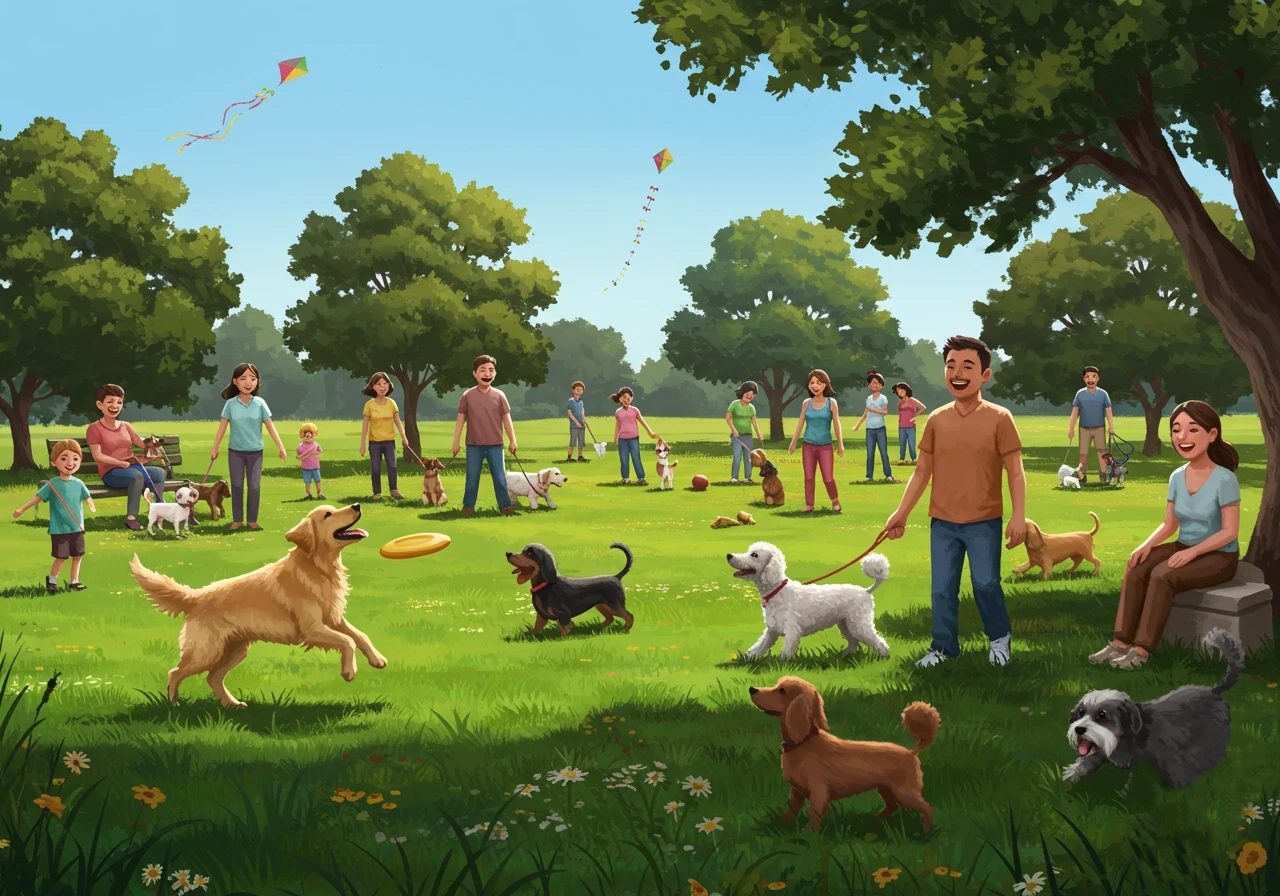
The human–pet bond is built on mutual dependence. Pets rely on masters for food, safety, and love, while humans gain companionship, stress relief, and even better physical fitness. This reciprocal relationship enriches both lives.
4. What lifestyle habits should pet owners build with their pets?
Daily routines like regular walks, feeding schedules, and shared downtime help create stability. Studies show that structured routines reduce stress in pets while improving consistency and mindfulness for owners.
5. How can pet owners balance their needs with their pets’ needs?
Balancing pet and owner needs requires intentional planning—this includes managing time, budgeting for pet care, and maintaining personal health through proper rest and nutrition. Research shows that the responsibilities and routines associated with pet ownership can promote structure and purpose, which in turn support an owner’s ability to provide consistent care. At the same time, studies highlight that many pet owners tend to prioritize their pets over themselves, reinforcing the importance of maintaining personal well-being to sustain long-term caregiving.
6. Do pets really provide emotional support?
Studies confirm that pets help reduce loneliness and anxiety, offering comfort through non-judgmental companionship. Many pets also sense human emotions and respond with affection, reinforcing emotional resilience.
7. How can pet and master grow together over time?
As pets age, masters often adapt routines to fit new needs. This adaptability strengthens bonds. For example, senior pets may require gentler exercise, which also encourages masters to slow down and enjoy more mindful activities.