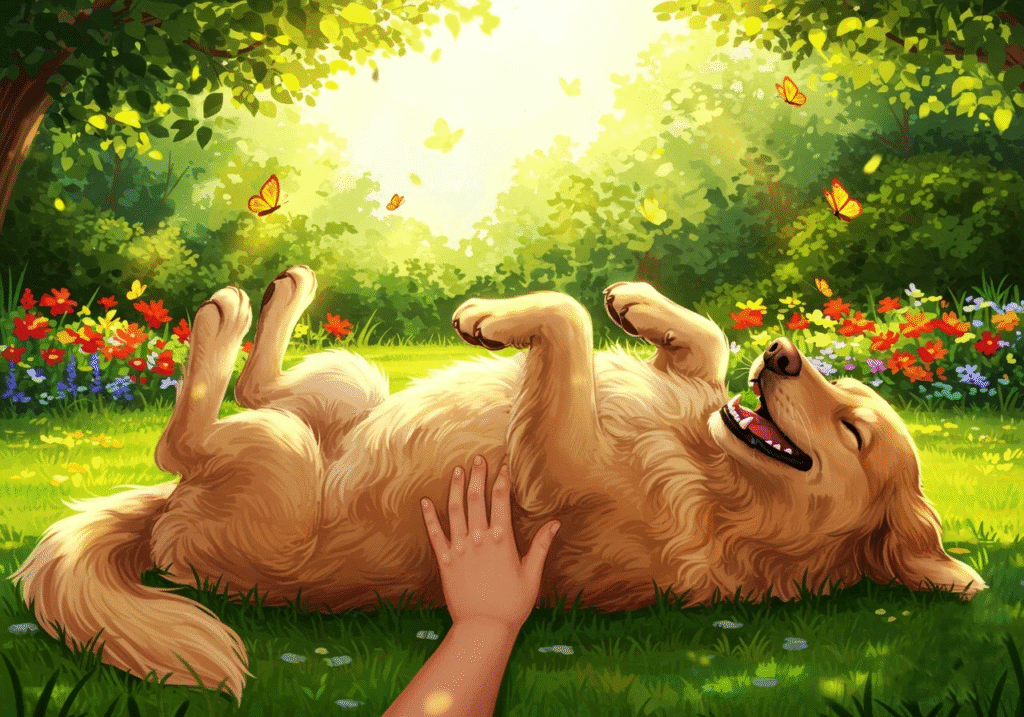
The well-being of pets and their masters is deeply interconnected. Beyond companionship, both share fundamental needs such as physical health, emotional balance, a safe environment, and meaningful daily routines. Scientific research on human–animal interaction shows that when these shared essentials are met together, both pets and humans experience improved health, reduced stress, and stronger emotional resilience.
The concept of Shared Essentials recognizes that caring for a pet is not separate from caring for oneself. Nutrition, movement, rest, mental stimulation, and social connection form a shared foundation for a balanced life. By aligning these essentials, pets and masters grow together creating a healthier home, a stronger bond, and a more purposeful lifestyle.


Masters and pets don’t just share a home. They share habits that can significantly improve each other’s health. Scientific studies show that simple daily routines create measurable benefits on both sides:
1. Daily Walks Improve Heart Health for Both
Research from the American Heart Association shows that dog owners walk up to 30 minutes more per day, lowering blood pressure and reducing the risk of cardiovascular disease. Pets benefit too: regular walks help maintain a healthy weight and support joint health.
2. Playtime Reduces Stress and Elevates Mood
Interacting with pets triggers the release of oxytocin, the “bonding hormone,” in both humans and animals. Studies also show that petting a dog can lower cortisol, the body’s stress hormone, improving emotional well-being for both.
3. Feeding Routines Create Stability and Better Metabolism
Consistent feeding schedules support healthy digestion in pets and help humans maintain structure in their day, which is linked to better time management and reduced stress.
4. Shared Rest and Relaxation Improve Mental Health
Sleeping near or spending quiet time with pets has been shown to increase feelings of safety, decrease loneliness, and improve overall mental health. Pets also rest better when they feel secure in their environment, benefiting their immune and nervous systems.
5. Grooming Strengthens Immunity and Awareness
Regular brushing or grooming reduces shedding and allergens in the home and helps owners notice early signs of skin or health issues in their pets. The repetitive movement of grooming can be soothing for humans, similar to mindfulness activities.
2. Emotional Well-Being and Companionship
Emotional well-being grows naturally in the bond between masters and pets and science confirms it. Their companionship supports mental health, strengthens social connections, and creates a sense of purpose for both.
1. Companionship Reduces Stress and Anxiety
Studies show that interacting with pets increases oxytocin and serotonin in humans while lowering cortisol, the primary stress hormone. Pets experience similar hormonal shifts, helping them feel calmer and more secure.
2. Emotional Support Enhances Mental Health
Research from the Human-Animal Bond Research Institute (HABRI) found that 74% of pet owners reported mental-health improvements from pet companionship. Pets serve as emotional anchors, reducing feelings of loneliness and improving mood.
3. Pets Encourage Social Interaction
Walking or caring for pets increases opportunities for social engagement. Studies indicate that pet owners are more likely to form connections with neighbors and communities, reducing social isolation for both master and pet.
4. Mutual Routines Foster Security and Trust
Regular activities like feeding, grooming, or bedtime rituals build predictability which is a key factor in emotional stability. Pets feel more confident in secure routines, and humans benefit from the sense of purpose and mindfulness these habits create.
5. Non-Judgmental Presence Supports Emotional Resilience
Pets provide unconditional acceptance, which has been shown to increase emotional resilience in humans. Meanwhile, the attentive presence of their masters helps pets regulate their own emotions and behavior.
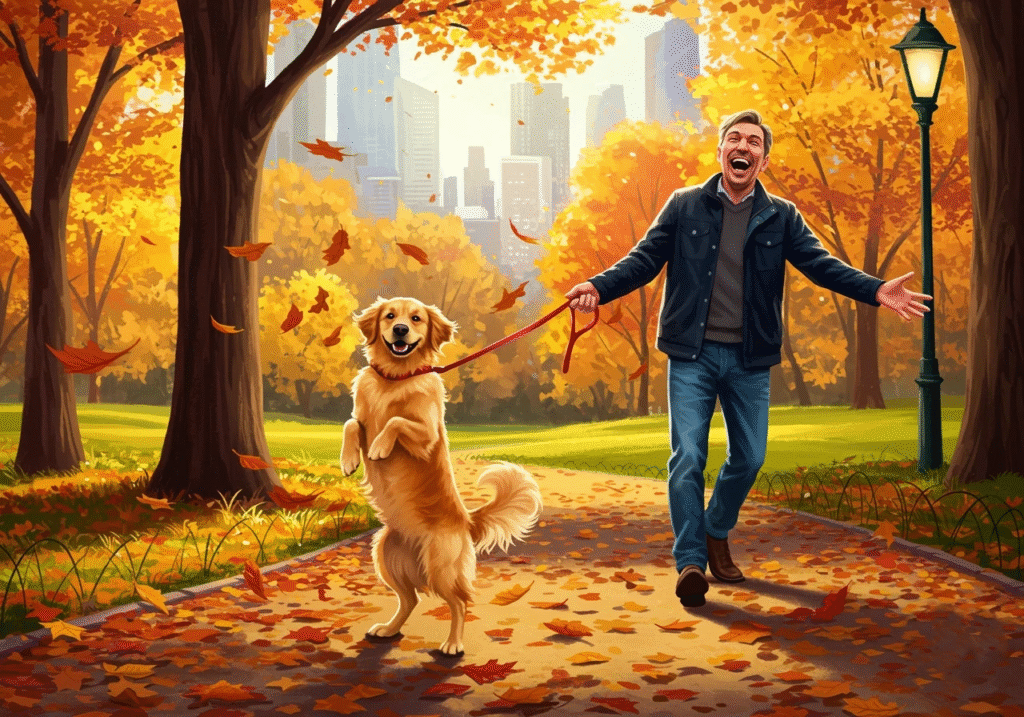
- Creating a Shared Home Environment
A shared home environment is more than a living space. It is a place where both master and pet can feel emotionally secure, healthy, and connected. Research across psychology, veterinary science, and environmental health shows that the home you build together directly shapes physical and emotional well-being.
1. Predictable Home Routines Reduce Anxiety
Environmental psychology studies show that predictable routines and stable surroundings lower stress and improve emotional regulation in humans. Pets benefit in the same way. Consistent cues for feeding, play, and rest reduce anxiety and support balanced behavior.
2. Clean, Allergen-Reduced Spaces Support Better Health
Public health research confirms that well-ventilated and regularly cleaned homes reduce allergens, improving respiratory health in humans. Veterinary studies also link clean environments to fewer skin irritations, healthier coats, and lower stress levels in pets.
3. Shared Resting Areas Strengthen Emotional Bonds
Attachment research shows that co-presence, simply resting or relaxing near each other, increases oxytocin and decreases stress hormones for both pets and humans. Pets that sleep or relax close to their owners show calmer behavior and better sleep patterns.
4. Environmental Enrichment Boosts Mental Stimulation
Studies in animal behavior highlight that enriched environments (toys, play zones, climbing or sniffing opportunities) reduce boredom and support cognitive health in pets. For masters, interacting in shared play or viewing nature through windows boosts mood and reduces mental fatigue.
5. Balanced Noise and Lighting Promote Calmness
Research shows that harsh noise and bright lighting elevate stress responses in both humans and animals. Soft lighting, natural daylight exposure, and lower noise levels support calmer heart rates, better sleep, and emotional regulation for both master and pet.
6. Spaces That Encourage Movement Improve Wellness
Homes that allow room for movement whether indoor play areas, paths for walking, or open spaces for stretching increase physical activity. Physical movement releases endorphins in humans and pets, contributing to better mood, lower stress, and healthier weight.
4. Adventures and Shared Experiences
Adventures from daily walks to weekend trips are more than fun moments. Science shows that shared experiences between masters and pets create deep emotional, physical, and cognitive benefits for both. These activities strengthen bonds, boost mood, and enrich overall well-being.
1. Outdoor Activities Improve Physical Health
Studies show that dog owners are more likely to meet daily exercise recommendations, thanks to shared activities like walking, hiking, or playing outdoors. Pets benefit from increased mobility, stronger joints, and better cardiovascular health which mirror the physical gains of their human companions.
2. Shared Adventures Strengthen the Human–Animal Bond
Research on the human-animal connection shows that engaging in enjoyable activities together increases oxytocin, a hormone linked to trust and bonding. Pets that regularly explore with their masters exhibit greater attachment and reduced anxiety.
3. Novel Experiences Enhance Cognitive Function
Exploration stimulates the brain. Environmental enrichment studies reveal that exposure to new scents, sights, and terrains boosts cognitive flexibility in pets. Humans also experience similar benefits — improved mood, sharper attention, and reduced mental fatigue from time spent in nature.
4. Outdoor Time Reduces Stress and Elevates Mood
Spending time outdoors is linked to lower cortisol (stress hormone) and improved mental well-being in humans. Pets also show calmer behavior and reduced stress markers after outdoor activities, especially in green or natural settings.
5. Social Adventures Build Confidence and Social Skills
Trips to parks, beaches, cafés, or pet-friendly areas increase social exposure. Human studies show that pets act as “social catalysts,” helping owners engage more with others. Pets, especially dogs, also gain confidence and improved behavioral stability through positive social encounters.
6. Shared Challenges Create Resilience and Trust
Whether navigating a new trail or learning a new activity, overcoming small challenges together builds mutual trust. Research shows that cooperative tasks enhance emotional security in pets and give humans a sense of purpose and accomplishment.

5. Growing Together Over Time
The pet–master bond evolves with age, requiring patience and adaptation. Puppies bring energy, while senior pets provide calm companionship. Research in the Journal of Veterinary Internal Medicine found that pet owners often adjust their own health routines such as exercise frequency to match their pets’ changing needs, creating a dynamic of lifelong adaptation. Growth happens side by side.