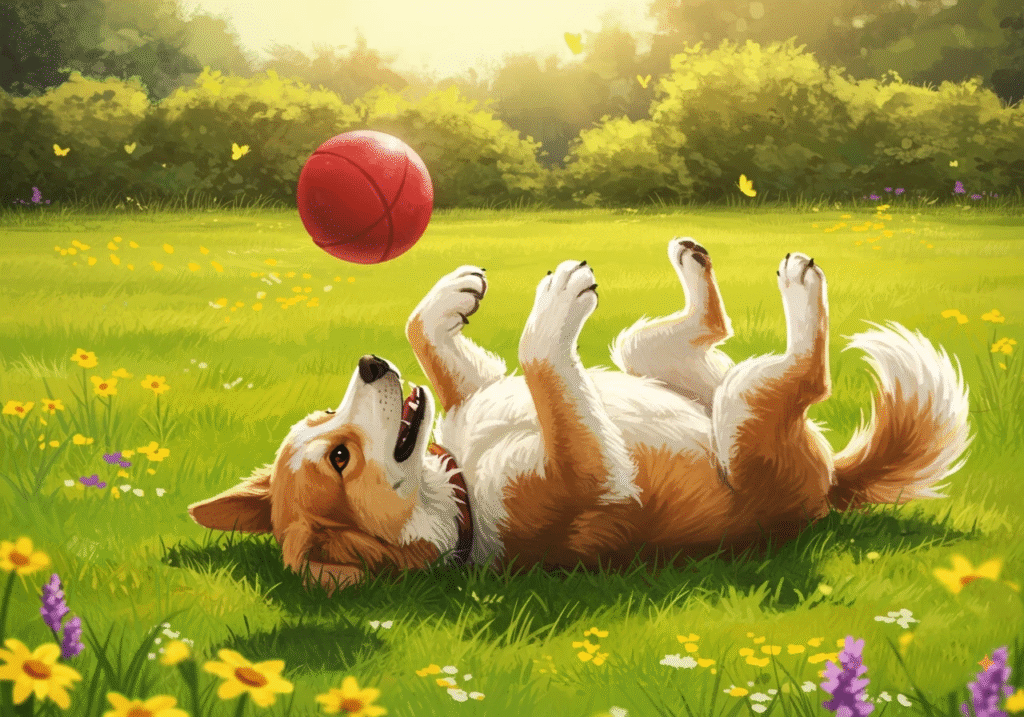
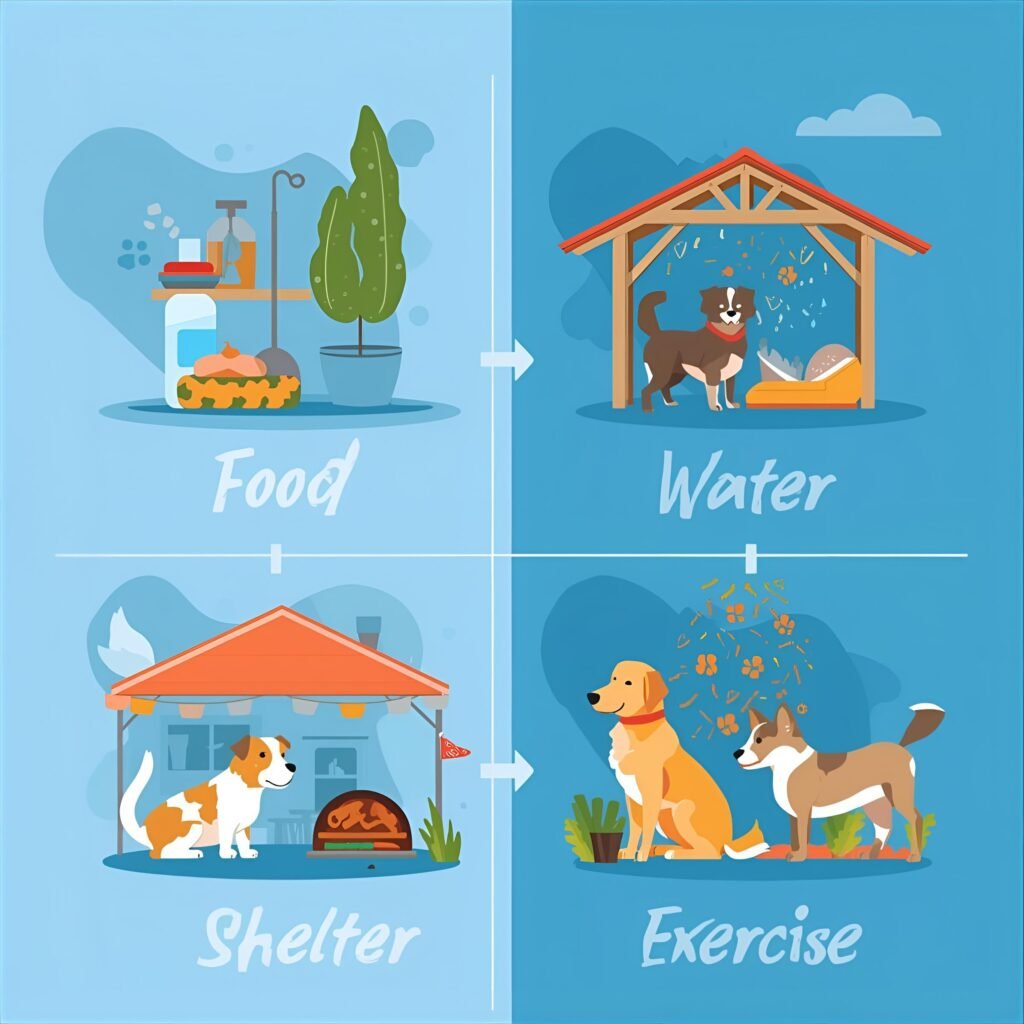
Pets need the basics of life: food, water, shelter, and exercise. A balanced diet supports growth, energy, and immunity. According to the Association of American Feed Control Officials (AAFCO), pet foods must meet specific nutrient profiles to ensure health. Beyond food, regular exercise is critical. The American Kennel Club recommends at least 30 minutes to 2 hours of exercise daily depending on breed, which keeps pets physically fit and prevents behavioral issues.

1. Food and Nutrition
Nutrition is the cornerstone of a pet’s health. Dogs require a diet rich in protein, cats need taurine (an amino acid found only in animal-based foods), and smaller pets like rabbits thrive on fiber-heavy diets. According to the Association of American Feed Control Officials (AAFCO), meeting species-specific dietary needs is essential to avoid malnutrition or long-term health problems. Clean, fresh water should always be available, as dehydration can impact organ function within just 24 hours.

2. Shelter and Comfort
A safe and comfortable living environment allows pets to feel secure. Whether it’s a dog bed, a cat tower, or a rabbit hutch, pets benefit from a space of their own. Research from the American Veterinary Medical Association (AVMA) shows that stress-related behaviors in pets, such as pacing or overgrooming, are often linked to inadequate or unstable environments. Providing a stable, cozy shelter reduces anxiety and promotes better behavior.

3. Exercise and Activity
Movement is medicine for pets. Dogs thrive on daily walks, cats enjoy climbing and play, and even hamsters need exercise wheels to stay healthy. A study published in the Journal of Veterinary Behavior found that dogs lacking sufficient exercise are significantly more likely to develop destructive behaviors, including chewing and excessive barking. Regular activity not only strengthens muscles but also enhances mood and prevents obesity

Routine healthcare is vital. Vaccinations, parasite prevention, and regular vet visits keep pets safe from disease. The American Veterinary Medical Association reports that vaccinations have reduced cases of rabies and distemper by more than 90% in the past 50 years. Safety extends to secure living environments—proper fencing, ID tags, and microchipping protect pets from accidents or loss.


1. Veterinary Care
Regular checkups and preventive care are crucial. Annual or bi-annual vet visits catch early signs of illness and keep vaccinations up to date. The American Animal Hospital Association (AAHA) reports that pets receiving regular preventive care live, on average, 15–20% longer than those without consistent veterinary oversight. Parasite prevention, dental cleanings, and wellness exams all play a role in extending both the quality and length of a pet’s life.
2. Grooming and Hygiene
Cleanliness isn’t just about appearances—it directly impacts health. Brushing reduces shedding and prevents matting, while dental care lowers the risk of oral infections. According to the American Veterinary Dental College, by the age of three, 80% of dogs and 70% of cats show signs of dental disease. Left untreated, this can lead to kidney, liver, and heart complications. Regular grooming and hygiene routines are therefore essential.

3. Safety Essentials
Keeping pets safe requires both preparation and prevention. Collars with ID tags, microchips, and leashes are basic but vital tools. A study from the American Animal Hospital Association found that microchipped dogs are returned to their owners 52% of the time, compared to just 22% without chips. For cats, the difference is even more dramatic—38% return rate with chips, versus 2% without. Safety measures directly increase the chances of pets finding their way home.
Pets, like humans, need emotional stimulation. Play, affection, and mental challenges prevent boredom and stress. Animal Report found that dogs left without stimulation were more prone to destructive behavior, while those engaged in play showed improved mood and obedience. Interactive toys, training, and companionship ensure pets stay emotionally balanced.

- Companionship and Bonding
Pets are social beings that crave attention and companionship. Dogs left alone for long periods may develop separation anxiety, while cats also show signs of stress when deprived of interaction. A 2020 study in the Journal of Veterinary Science revealed that dogs with regular owner interaction displayed 40% fewer stress behaviors compared to those with minimal engagement. Bonding time isn’t optional—it’s essential.
- Mental Stimulation
A bored pet can become a destructive one. Toys, puzzles, and interactive games provide necessary mental stimulation. According to a 2018 study on canine enrichment, dogs provided with puzzle feeders and interactive toys had lower cortisol levels and displayed more relaxed behavior. Stimulation keeps pets mentally sharp and emotionally balanced.
- Security and Routine
Consistency gives pets a sense of security. Sudden changes in routine can cause stress, leading to anxiety or behavioral problems. A study in the Journal of Applied Animal Welfare Science found that dogs with predictable daily routines exhibited significantly lower anxiety levels than those in inconsistent households. Establishing routine feeding, play, and rest times helps pets feel safe and cared for.