
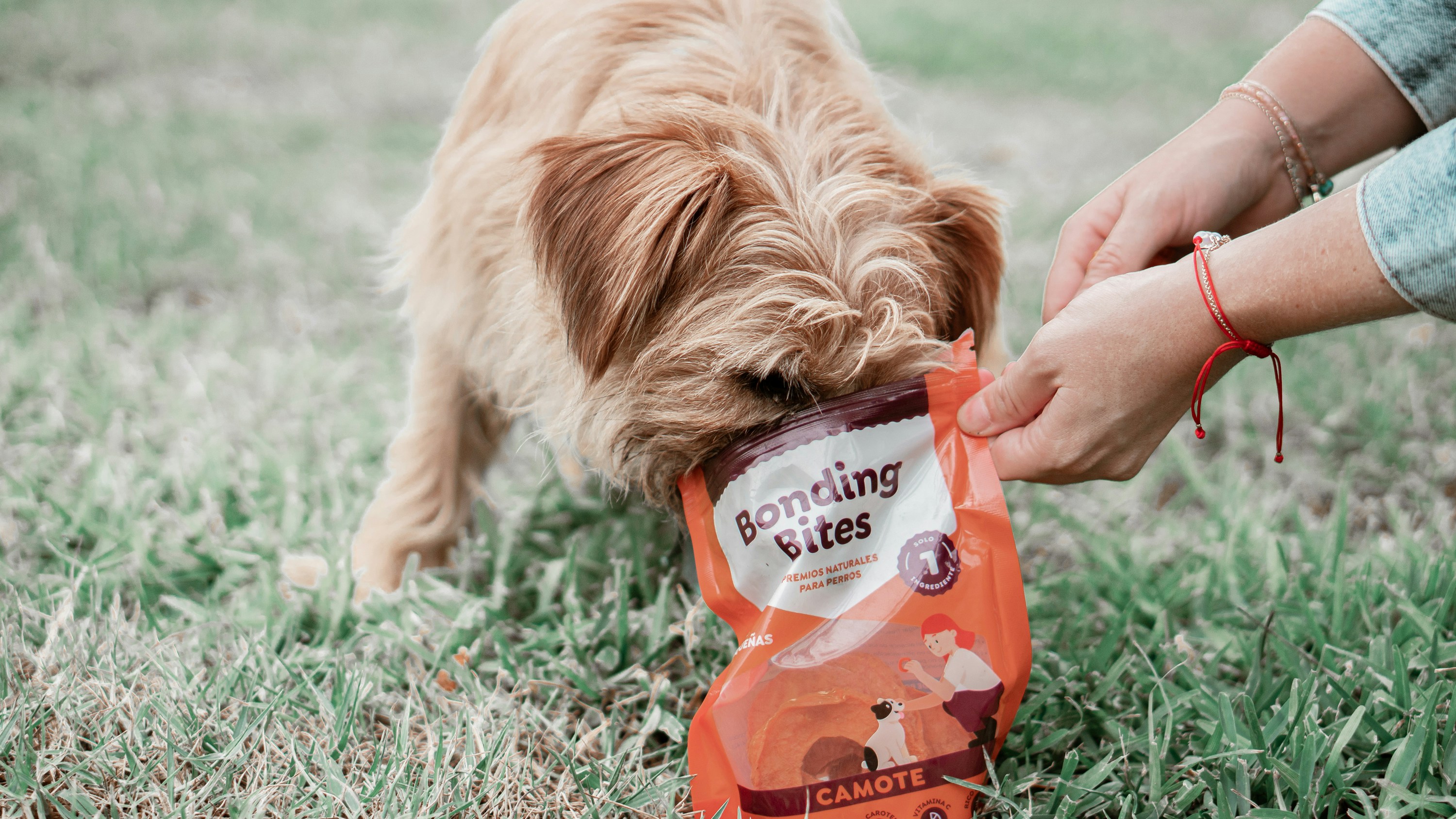
Establishing a consistent pet care routine—especially during mealtime—plays a key role in strengthening the bond between pets and their owners. Regular feeding schedules help support healthy digestion while creating meaningful daily interactions that build trust and emotional connection. These shared moments can reduce anxiety in pets and give owners a stronger sense of purpose and companionship.
Using positive reinforcement during mealtimes, such as rewarding good behavior, helps reinforce trust and encourages better habits. Including pets in family routines—even during meals—can also strengthen the overall family dynamic and deepen relationships.
Structured mealtimes offer important health benefits as well. They allow owners to monitor their pet’s diet, ensure proper nutrition, and practice mindful interaction that supports mental well-being for both pet and owner. By maintaining consistent feeding routines, you can improve pet care management while building a deeper, lasting emotional connection.
Also, let’s explore how to elevate mealtime bonding using thoughtfully chosen pet essentials. The descriptions below show how these products improve bonding with our pets.
Build a Happy, Healthy Pet with a Simple Routine
Establishing a regular mealtime routine is essential in pet care, creating a structured environment where pets can thrive. A consistent feeding schedule helps regulate digestion while promoting a sense of security and stability. Like humans, pets find comfort in routine—they feel calmer and more confident when they know when to expect their meals. By maintaining a fixed feeding time, pet owners can help reduce anxiety caused by unpredictability.
The benefits of a consistent mealtime routine extend beyond pets. Owners also gain a sense of purpose and fulfillment through daily care. Shared mealtimes become meaningful bonding moments that build trust and strengthen the emotional connection between pets and their owners. Simple interactions during feeding—such as eye contact, praise, or gentle affection—help pets associate mealtime with positive experiences and companionship.
In many cultures, shared meals with pets reflect deep-rooted values of loyalty and companionship. Across various Asian traditions, for example, including dogs in family routines highlights their role as trusted companions. These practices show that feeding pets is more than a daily task—it is a meaningful ritual that nurtures closeness and reinforces the human-pet bond.
Ultimately, a structured mealtime routine plays a vital role in strengthening the relationship between pets and their owners. Regular feeding not only supports a pet’s physical and emotional well-being but also creates consistent opportunities for connection, trust, and lasting companionship.
Train Your Pets Faster with Positive Reinforcement
Positive Reinforcement During Mealtime
Mealtime offers a powerful opportunity for pet owners to strengthen their bond with their pets through positive reinforcement. This training method focuses on rewarding desired behaviors, encouraging pets to repeat them consistently. By using food as a reward, pets begin to associate good behavior—such as sitting calmly or waiting patiently—with positive outcomes.
Turning Mealtime Into Training Time
Incorporating simple training commands into mealtime routines can improve both behavior and communication. Commands like “sit,” “stay,” “wait,” or “leave it” can be practiced before serving food. This helps pets understand expectations while reinforcing discipline in a positive, stress-free way. Over time, these small training moments transform feeding into a meaningful daily interaction that builds trust and strengthens the pet-owner relationship.
Building Trust and Companionship
Consistent mealtime training creates moments of connection that go beyond basic care. As pets learn to link obedience with rewards, they develop greater confidence and trust in their owners. These shared routines foster companionship, turning everyday feeding into a bonding experience that enhances emotional connection.
Real-Life Example: Training Through Feeding
Even simple actions can make a big difference. For example, teaching a cat to respond to a command like “come” before feeding can reinforce positive behavior. Rewarding the response with food or treats strengthens learning and encourages consistency. Over time, pets begin to understand that good behavior leads to rewards, improving responsiveness and deepening trust.
More Than Just Feeding
Mealtime is not just about nutrition—it’s a key moment for learning, bonding, and communication. By combining feeding routines with positive reinforcement, pet owners can improve behavior, build trust, and create lasting emotional connections with their pets.
Turn Mealtime into Quality Time with Your Pet
Mealtime serves as an essential opportunity for social interaction between pets and their owners. These moments not only satisfy the hunger of our beloved animals but also foster communication and bonding. Feeding rituals, such as preparing a pet’s meal or sharing a snack, create routines that establish a connection. This ritualistic aspect highlights the importance of these interactions; they symbolize trust and companionship, fostering a nurturing environment.
The shared experience of eating further enhances these bonds. When pets are part of family meals or gatherings, the atmosphere becomes more joyful. Many pet owners find that allowing their pets to partake in mealtime—whether by feeding them the leftovers or giving them their designated meal in a communal space—strengthens familial ties. Such scenarios establish a sense of inclusion for the pets, making them feel like part of the family unit.
Moreover, the act of feeding itself encourages communication. Owners often talk to their pets during mealtime, explaining the process or expressing affection. This verbal interaction enriches the pet’s understanding and attachment to their owner. Consequently, feeding becomes an avenue for social development, not merely a task. Pets learn to associate mealtime with positive experiences, which reinforces their bond with the family.
In family gatherings, pets can become focal points for conversation and laughter, enriching the dynamic among attendees. These joyful interactions can lead to lasting memories, further enhancing the pet-owner relationship. Thus, pet-inclusive mealtimes create an inviting atmosphere that strengthens connections, highlighting the profound impact of shared mealtime experiences.
Health Benefits of Shared Mealtime Experiences
Shared mealtime experiences between pets and their owners offer numerous health benefits that contribute positively to both parties’ well-being. For pets, preparing fresh, nutritious meals allows owners to closely monitor their dietary needs, potentially leading to improved health outcomes. When owners opt for home-cooked meals or high-quality pet foods, they can ensure that their pets receive the essential vitamins and minerals required for optimal health. This attentiveness not only helps mitigate obesity and related health conditions but also contributes to a longer life expectancy for pets.
Moreover, engaging in shared mealtimes fosters a healthier relationship between pets and their owners. The routine of preparing and sharing meals can create a sense of stability and predictability in a pet’s life, which is crucial for their emotional well-being. Pets thrive upon bonding experiences, and mealtime serves as an excellent opportunity for interaction and connection, reinforcing trust and companionship.
From the owner’s perspective, taking time to prepare food for their pets can offer significant mental health benefits. The process of meal preparation can serve as a mindful activity, promoting relaxation and focus. Engaging with pets during this routine can reduce stress levels and enhance mood. Studies have shown that interactions with pets can increase the production of oxytocin, the hormone associated with feelings of happiness and love. Furthermore, the satisfaction of providing nutritious meals to a beloved pet promotes a sense of accomplishment and purpose, which can further uplift an owner’s spirits.
In conclusion, the health benefits gained from shared mealtime experiences extend far beyond the physical nourishment provided to pets. The emotional bonds formed, along with enhancements in mental well-being for owners, reinforce the importance of incorporating shared mealtimes into daily routines. This mutually beneficial practice serves to create a deeper connection between pets and their owners, promoting a holistic approach to health and happiness.
SOME PET ESSENTIALS
1. The Bowl That Builds Trust
When your pet approaches their bowl, they’re responding to anticipation, comfort, and safety.
A stable, non-slip stainless steel bowl prevents noise, tipping, and sliding — helping anxious or sensitive pets feel calm and secure during meals. Each clink of kibble into the bowl becomes a moment of reassurance — a reminder that care, consistency, and love always arrive on time.

- Durable stainless-steel food bowl for puppies, dogs, cats, or kittens
- Holds up to 38 ounces; perfect for dry kibble, wet food, treats, or water
- Rust resistant; offers a healthy alternative to plastic; doesn’t hold odors
Stainless Steel Dog Bowl with Rubber Anti-Slip Food or Water Feeder
Why it strengthens bonding:
A quiet, stable feeding experience reduces stress and creates positive associations with your presence during meals.
2. Slow Feeding: Turning Meals Into Mindful Moments
Fast eating leads to choking, bloating, and stress. Slow feeders turn meals into interactive problem-solving sessions, activating your pet’s brain and calming their nervous system. Instead of rushing through meals, your pet slows down — savoring each bite while looking up to you for reassurance and praise.

- Medium slow feeder dog bowl – helps slow down eating up to 10X; this SLOWEST level feeder is best for very fast eaters a…
- Holds 2 cups of dry or wet dog food – this very deep dog bowl has our most challenging puzzle feeder maze design and can…
- Mindful mealtime – encourages slower eating and longer engagement, helping pups enjoy every bite while making mealtime m…
Dog Slow Eating Feeder Pet Bowl Durable Non-Toxic
Why it strengthens bonding:
You become part of their enrichment process, guiding, encouraging, and rewarding calm eating behaviors.
3. Fresh Food – Loving Preparation Ritual
Proper food storage isn’t just hygiene — it’s a daily act of love.
An airtight container preserves flavor, nutrients, and aroma, making every meal more enjoyable and healthy. The sound of the container opening becomes a familiar love signal — dinner is coming, and so is comfort.

- 2 PACKS – Includes two small pet food storage containers, each holds up to 2.5 L or 2 lb of dry food. Easily store diffe…
- AIRTIGHT SEAL – Airtight lids keep pet food fresh and dry, locking out moisture and pests. Ideal for use as a dog food s…
- SAFE MATERIALS – Made from BPA free polyethylene terephthalate. No odor, safe for pets, and designed for long-lasting us…
Air Tight Pet Food Container
Why it strengthens bonding:
When your pet smells fresh food being prepared, anticipation and emotional excitement build — reinforcing trust and routine.
4. Interactive Treat Play: Where Feeding Meets Playtime
Treat-based toys combine nutrition + play + bonding — stimulating mental health while reinforcing positive behavior.

- DISPENSES A VARIETY OF TREATS AND KIBBLE: Dispenses most kibble and small treats through adjustable openings.
- TWO SIZES FOR ALL DOGS: Large size: 9.5″ high x 6″ wide and 1.6 pounds. Small size: 6.5″ high x 4.5″ wide and 1.3 pounds…
- CUSTOMIZABLE PLAY: Adjustable openings in the top and bottom fit a variety of small treats or kibble and allow you to cu…
Pet Zone IQ Treat Ball Puzzle Dispenser
Why it strengthens bonding:
You become the source of fun, stimulation, and reward — strengthening emotional attachment. Every roll of the treat ball becomes a shared celebration — laughter, excitement, and connection in motion