
Nutrition is a primary determinant of canine health, influencing growth, metabolism, immune function, and lifespan. Dogs are classified as facultative omnivores, capable of deriving essential nutrients from both animal and plant sources. Scientifically balanced diets formulated according to recognized nutritional standards are essential for maintaining optimal health across all life stages.
Essential Nutrients for Dogs
According to the Association of American Feed Control Officials (AAFCO) and the European Pet Food Industry Federation (FEDIAF / Fédération Européenne de l’Industrie des Aliments pour Animaux Familiers), a complete canine diet must provide six essential classes of nutrients:
- Proteins
Proteins supply essential amino acids required for muscle development, enzyme activity, hormone synthesis, immune defense, and tissue repair. AAFCO and FEDIAF emphasize the importance of sufficient, bioavailable protein sources to support normal physiological function. - Fats
Dietary fats provide essential fatty acids, including omega-3 and omega-6, which are critical for cellular integrity, neurological development, skin health, and absorption of fat-soluble vitamins (A, D, E, and K). - Carbohydrates
While not classified as essential nutrients, carbohydrates contribute to dietary energy and fiber, supporting gastrointestinal health and normal stool quality when included in appropriate amounts. - Vitamins and Minerals
Micronutrients regulate metabolic pathways, skeletal development, nerve conduction, and antioxidant defense. AAFCO and FEDIAF establish minimum and maximum safe levels to prevent both deficiencies and toxicities. - Water
Water is recognized by both organizations as the most essential nutrient, supporting thermoregulation, nutrient transport, and waste elimination.
Life-Stage–Specific Nutrition
AAFCO and FEDIAF provide nutrient profiles tailored to different life stages:
- Growth and Reproduction (Puppies and Pregnant/Lactating Dogs)
Diets must meet increased energy, protein, calcium, and phosphorus requirements to support rapid growth and skeletal development. - Adult Maintenance
Formulations focus on sustaining lean body mass, metabolic balance, and immune health. - Senior Dogs
While not a separate AAFCO category, senior nutrition is guided by scientific evidence supporting adjusted caloric intake, high-quality protein, and nutrients that promote joint, cognitive, and organ health.
Feeding according to life-stage standards helps reduce the risk of developmental disorders, obesity, and age-related disease.
Nutrition and Long-Term Health
Evidence-based diets formulated to meet AAFCO or FEDIAF nutrient profiles play a significant role in disease prevention and health maintenance. Proper nutrition supports:
- Healthy body weight and metabolic function
- Gastrointestinal integrity and nutrient absorption
- Skin barrier health and coat quality
- Musculoskeletal strength and mobility
- Immune system resilience
In contrast, diets that do not meet established nutritional standards are associated with nutrient imbalances, poor growth outcomes, and increased risk of chronic disease.
Individualized Dietary Considerations
While AAFCO and FEDIAF provide population-level nutritional standards, individual dogs may require dietary adjustments based on breed, size, activity level, reproductive status, and health conditions. Therapeutic or specialized diets should be selected in consultation with a veterinarian to ensure nutritional adequacy and safety.
How to Choose a Nutritionally Complete Dog Food
For informed feeding decisions, it is recommended that owners select dog foods that:
- State they are “complete and balanced”
- Meet AAFCO or FEDIAF nutritional standards
- Are formulated for the dog’s specific life stage
- Are supported by veterinary or nutritional expertise
AAFCO establishes nutritional standards for pet foods in the United States, while FEDIAF provides science-based nutritional guidelines for pet foods in Europe. Compliance with these standards helps ensure nutritional completeness and safety.
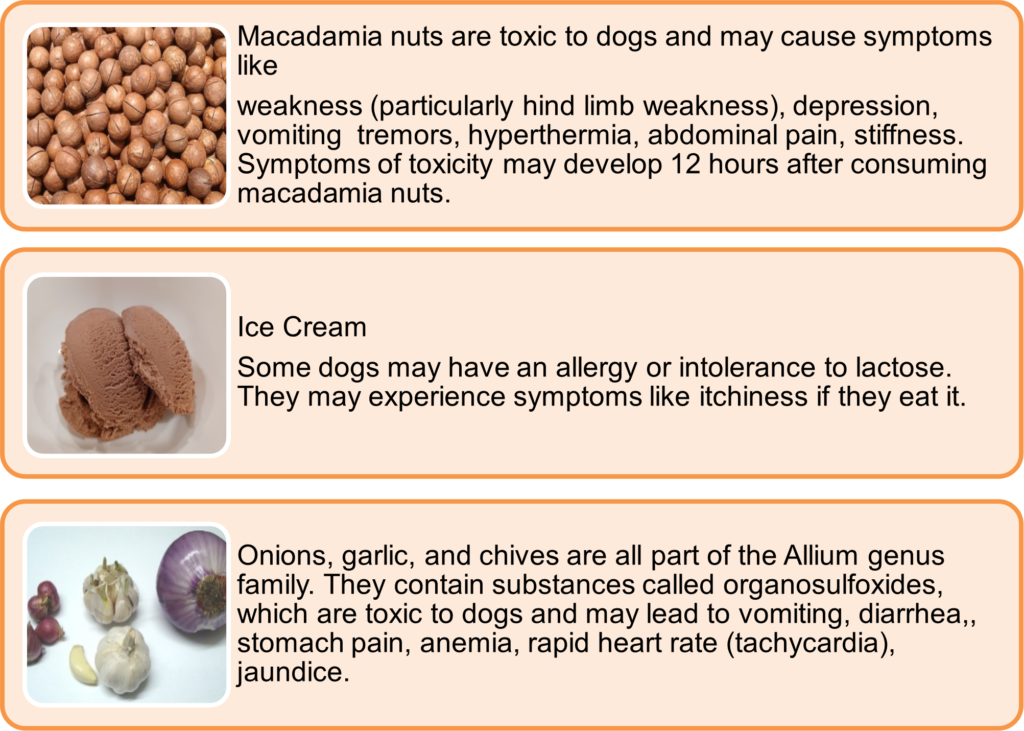
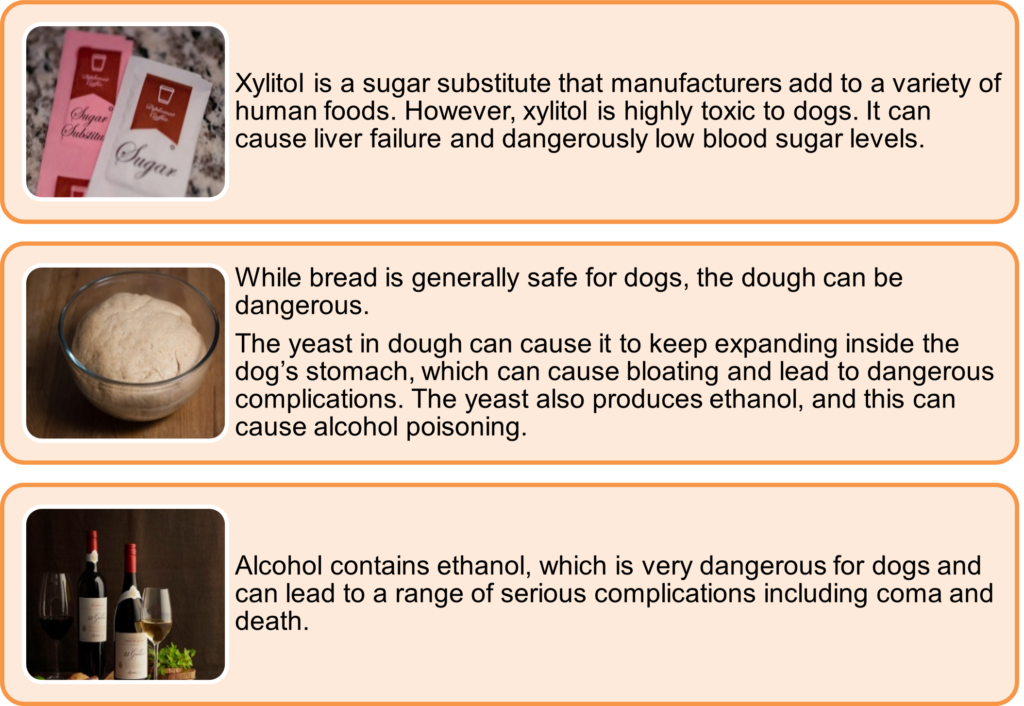
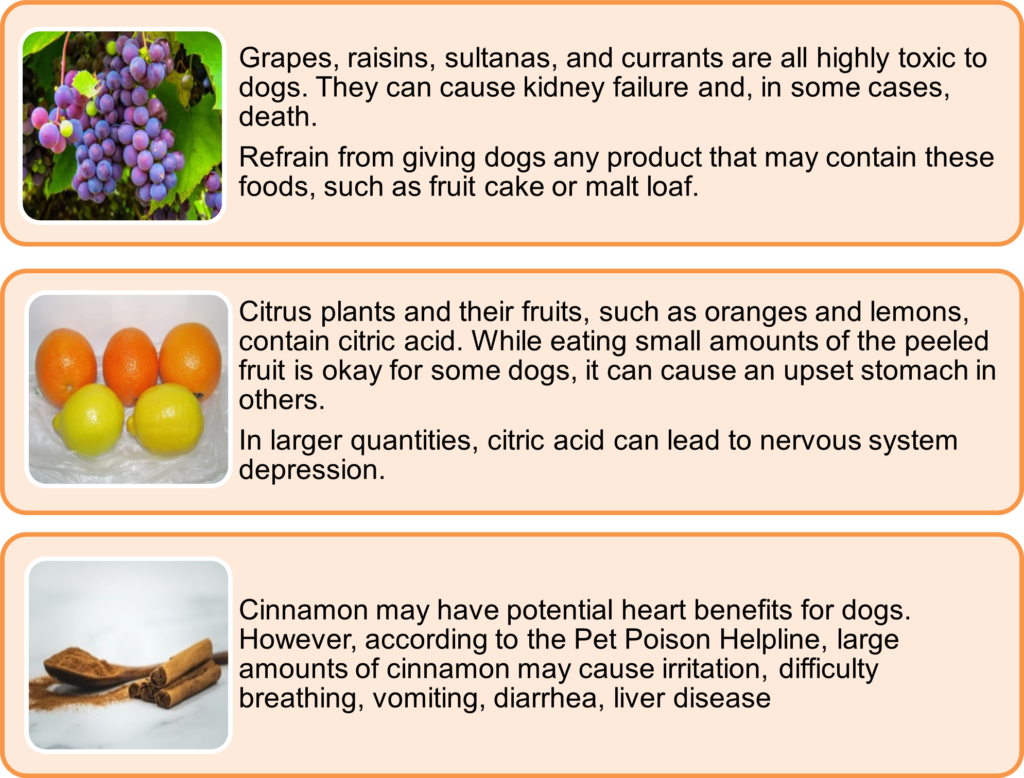
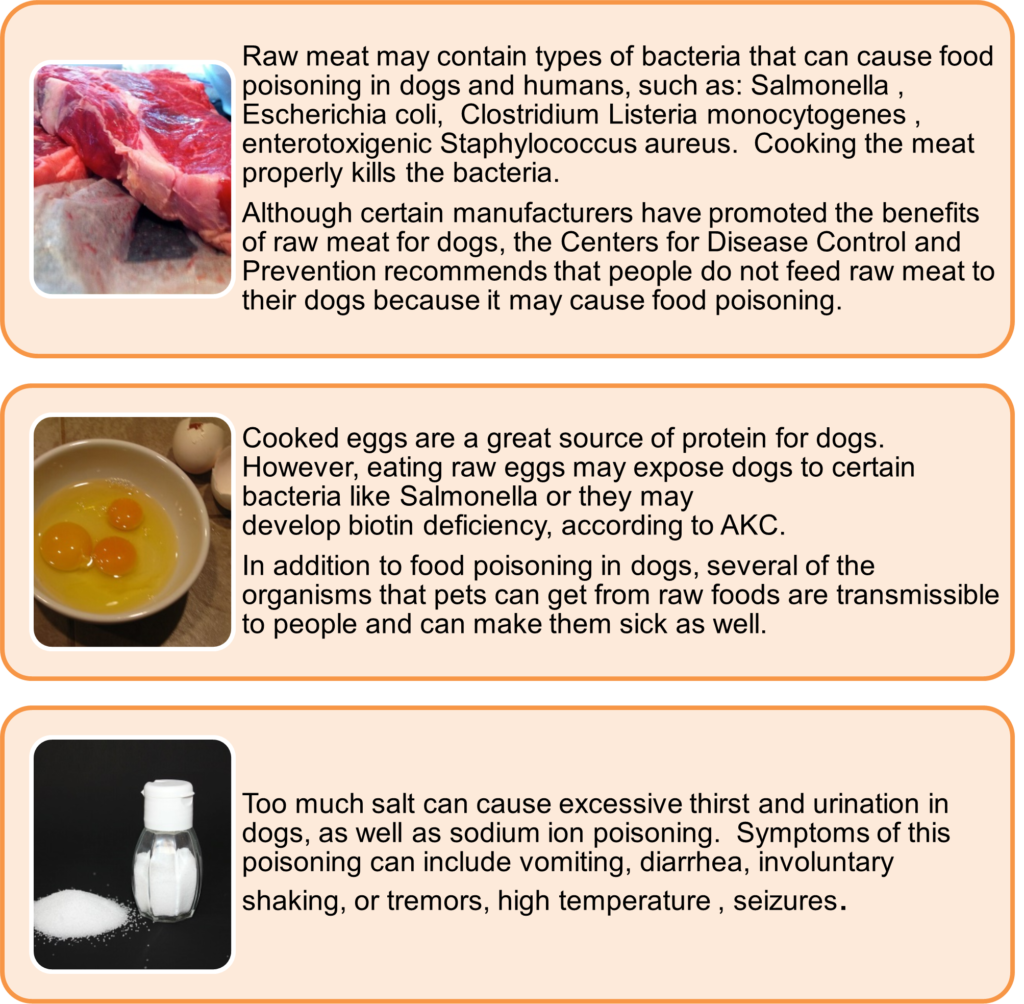
Dogs have long been referred to as man’s best friend, but despite our close companionship, our furry friends have very different digestive systems compared to humans. As pet owners, it is crucial to understand what dogs can safely consume and what foods could potentially harm them. While many foods that are safe for us to eat might seem harmless, they can pose serious health risks for dogs.
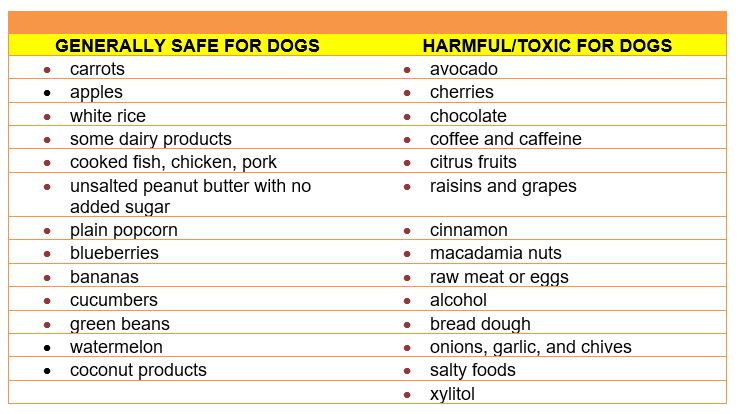
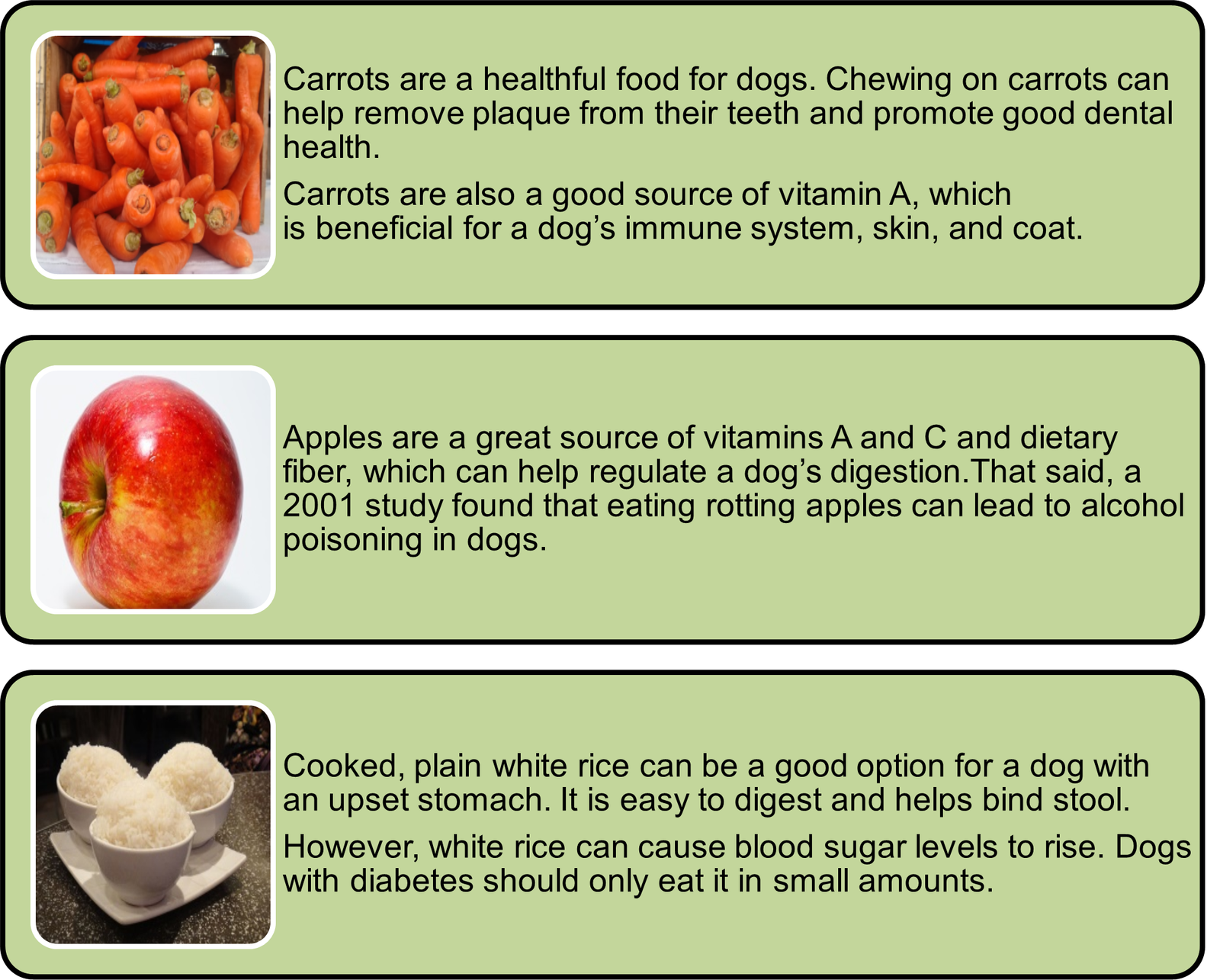
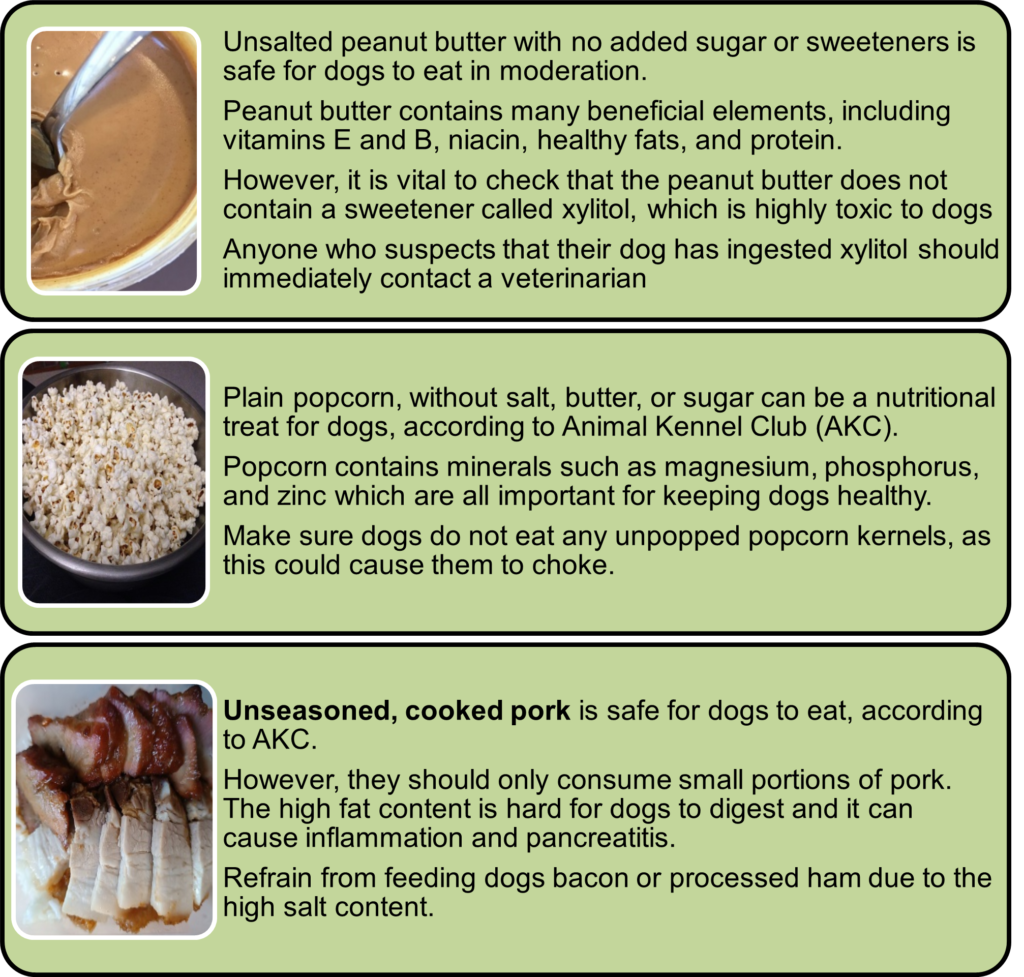
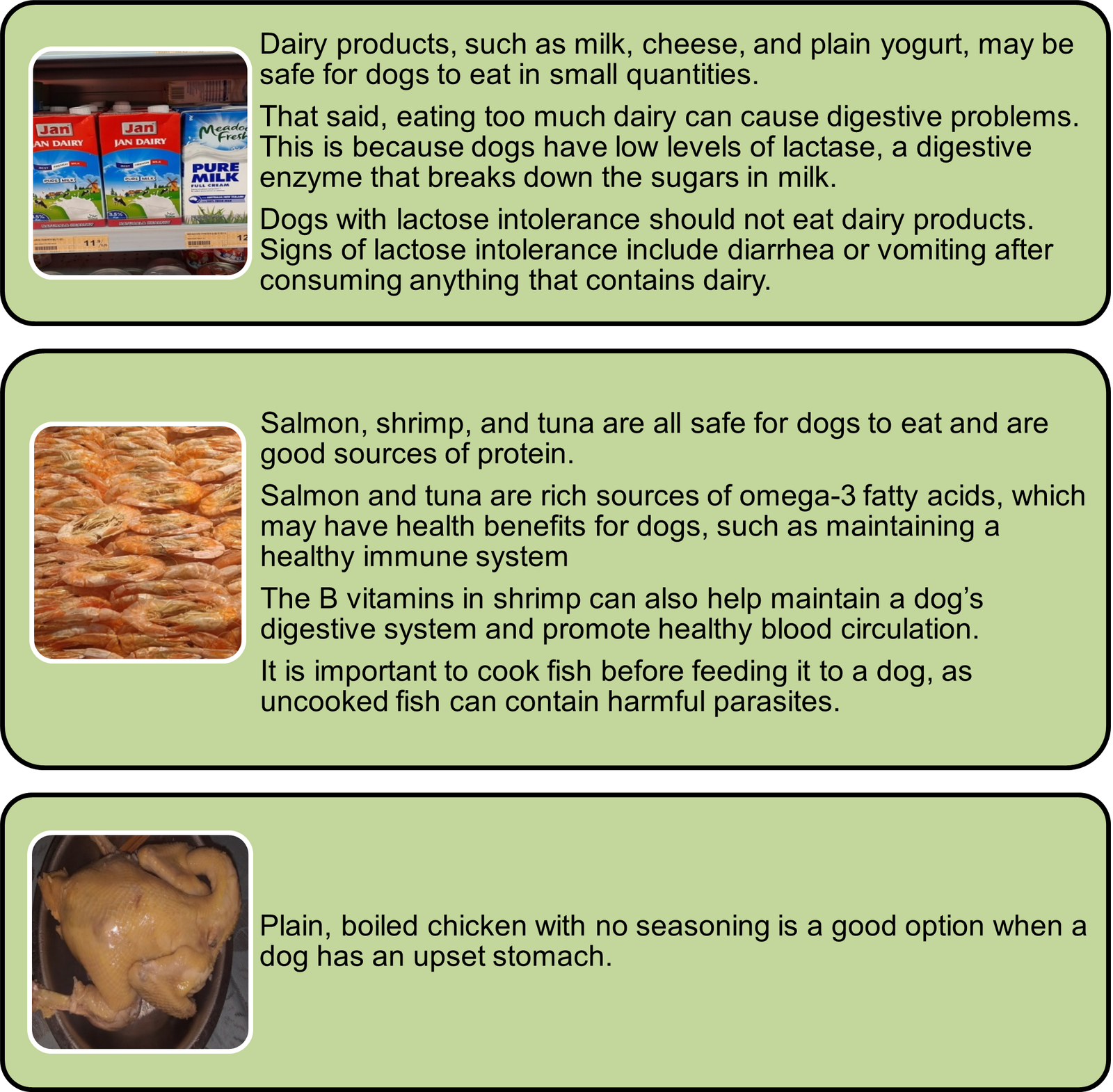
GENERALLY SAFE

Harmful / Toxic

How to Tell If Your Dog Is Happy
Happiness in dogs is defined in animal welfare science as a positive emotional state combined with low chronic stress and the ability to express natural behaviors. Research in veterinary medicine, neuroscience, and animal behavior has identified consistent, observable indicators of canine well-being.
1. 🐕 Relaxed Body Language
Dogs experiencing positive emotional states display loose, fluid posture and relaxed facial expressions. Muscle tension, by contrast, is strongly associated with fear and stress.
Scientific support:
Studies in canine behavioral assessment show that relaxed posture and facial softness correlate with lower stress indicators and improved welfare outcomes.
2. 🎾Playfulness and Social Engagement
Play behavior is a reliable indicator of positive affect in mammals. Dogs that initiate or respond enthusiastically to play are typically experiencing good emotional health.
Scientific support:
Play has been shown to reduce cortisol (stress hormone) and increase dopamine, supporting emotional regulation and pleasure-related neural pathways.
3. 🍽️ Healthy Appetite and Eating Behavior
Consistent appetite reflects both physical and emotional stability. Chronic stress and anxiety are known to suppress feeding behavior in dogs.
Scientific support:
Veterinary behavioral studies link appetite loss to stress-related conditions and environmental insecurity rather than hunger regulation alone.
4. 😴 Restful Sleep Patterns
Happy dogs can relax fully and enter deep sleep, including REM sleep, which is associated with emotional processing and neurological health.
Scientific support:
Canine sleep research demonstrates that emotional security promotes longer REM cycles, while stress fragments sleep patterns.
5. ❤️ Secure Attachment to Humans
Dogs form attachment bonds with their caregivers similar to infant–caregiver attachment in humans. Securely attached dogs are affectionate but emotionally stable.
Scientific support:
Attachment-style studies show that secure bonds help dogs regulate stress and recover more quickly from novel or mildly stressful situations.
6. 🌍Curiosity and Exploration
Exploratory behavior indicates confidence and psychological safety. Dogs under chronic stress show reduced curiosity and avoidance behaviors.
Scientific support:
Animal welfare research confirms that enriched environments increase exploratory behavior and positive emotional states.
7. ⚖️ Low Chronic Stress Indicators
Although cortisol levels require laboratory testing, behavior provides strong indirect evidence of stress balance.
Scientific support:
Long-term studies associate environmental enrichment, regular exercise, and social interaction with reduced baseline cortisol in dogs.
Why Canine Happiness Matters
Scientific evidence links positive emotional states in dogs to:
- Stronger immune response
- Improved digestion and metabolic health
- Reduced behavioral disorders
- Increased lifespan and quality of life
Happiness is therefore a measurable component of canine health, not merely a subjective concept.
Scientific References & Trusted Sources
- World Small Animal Veterinary Association (WSAVA)
Global Nutrition and Welfare Guidelines
https://wsava.org - American Veterinary Medical Association (AVMA)
Animal Welfare and Companion Animal Behavior
https://www.avma.org/resources-tools/pet-owners - Overall, K. L. (2013).
Manual of Clinical Behavioral Medicine for Dogs and Cats. Elsevier. - Beerda et al. (1997, 1998).
Behavioral, saliva cortisol, and heart rate responses to stress in dogs.
Applied Animal Behaviour Science. - Topál et al. (1998, 2005).
Attachment behavior in dogs and its implications for emotional regulation.
Journal of Comparative Psychology. - Boissy et al. (2007).
Assessment of positive emotions in animals.
Physiology & Behavior. - Miklósi, Á. (2015).
Dog Behaviour, Evolution, and Cognition. Oxford University Press.