
A. Types of Dogs
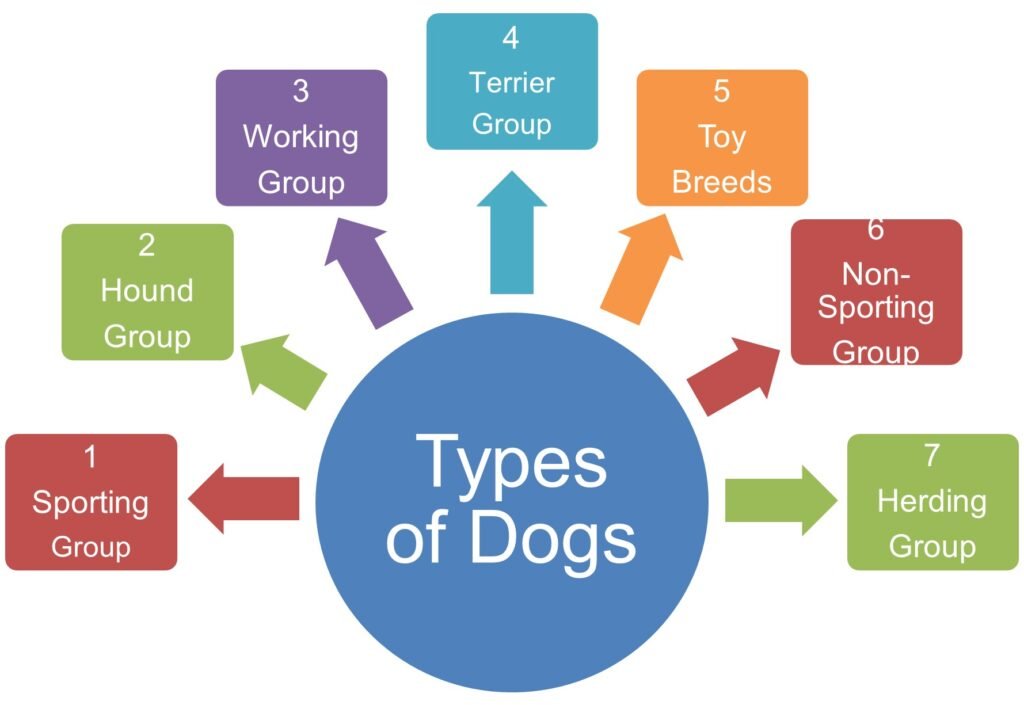
A.6. Non-Sporting Dog Breeds: A Diverse Group of Unique Companions
The Non-Sporting Group is one of the most diverse and fascinating categories in the canine world. Unlike other groups that are classified by specific working roles—such as hunting, herding, or guarding—the Non-Sporting Group brings together breeds that vary greatly in size, coat type, temperament, and historical purpose. From the elegant Poodle and sturdy Bulldog to the alert Schipperke and dignified Chow Chow, this group showcases the remarkable adaptability of dogs across cultures and lifestyles.
Despite their differences, Non-Sporting dogs generally share a common role today: they are exceptional companions. Many were originally bred for unique functions such as guarding temples, exterminating vermin, pulling carts, or serving as noble companions. Over time, these breeds have transitioned into beloved household pets known for their distinct personalities, intelligence, loyalty, and charm.
The Non-Sporting Group is perfect for dog lovers who appreciate variety, character, and individuality, offering a breed to suit nearly every type of home—from active families to quiet apartment dwellers.
Sample Dogs under Non-Sporting Group
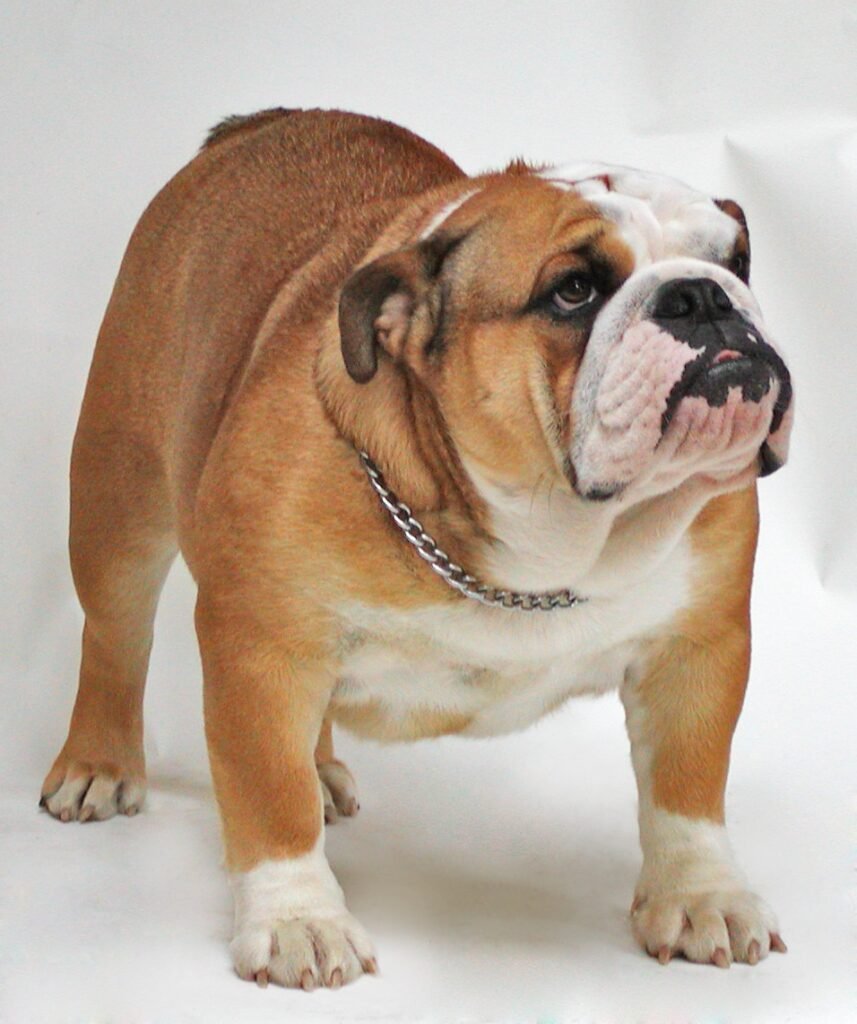
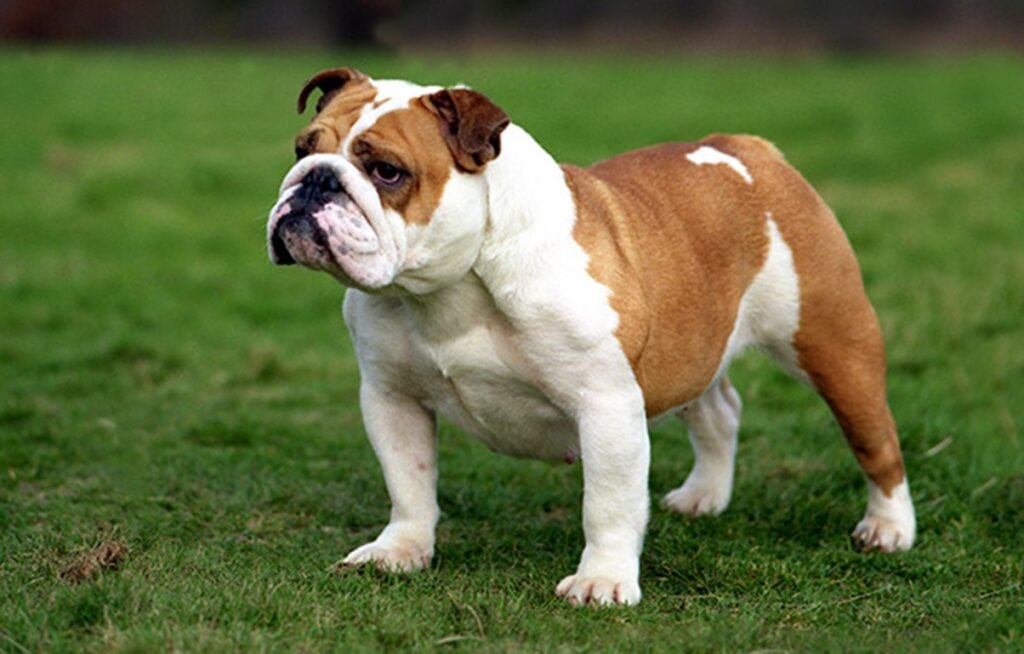
Bulldog: The Loyal and Courageous Companion
Discover the Bulldog—a strong, loyal dog breed known for its history, resilience, and gentle companion nature.


Reference : Britannica
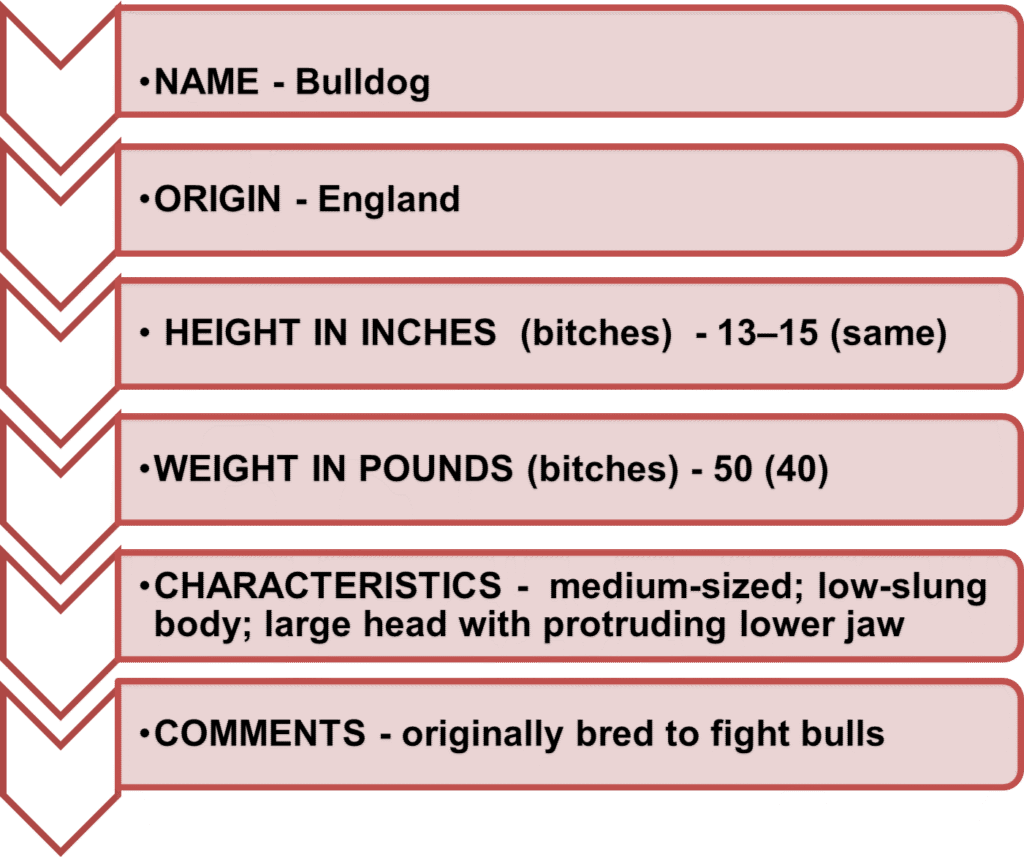
The Bulldog is a powerful and iconic breed known for its strength, determination, and loyalty. Once bred for demanding tasks, Bulldogs have evolved into affectionate and dependable companions cherished by families worldwide.
Historical Origins
The Bulldog has a long and complex history, originally bred for the now-banned sport of bull-baiting.
Their muscular build, strong jaws, and fearless nature made them suited for this harsh role. However, as society moved away from such practices, the breed faced decline before being preserved and refined into a companion dog.
Transformation into a Companion
As attitudes toward animal welfare evolved, Bulldogs were selectively bred for gentler traits.
Over time, the Bulldog became known for its calm temperament, loyalty, and affectionate nature, making it a popular family pet.
Symbol of Strength and Resilience
The Bulldog has long been a symbol of courage and determination.
A notable figure associated with the breed is Winston Churchill, whose tenacious leadership style during World War II drew comparisons to the Bulldog’s steadfast character.
Distinctive Appearance
Bulldogs are easily recognized by their unique and powerful features:
• Stocky, muscular body
• Wrinkled face and short muzzle
• Broad shoulders and chest
• Distinctive pushed-in nose
Their appearance reflects their historical strength while adding to their charm.
Temperament: Gentle Yet Determined
Despite their tough exterior, Bulldogs are known for their gentle and loving personality.
They are loyal, calm, and form strong bonds with their owners. However, their independent nature can sometimes make them stubborn, requiring patient and consistent training.
Care and Lifestyle Needs
Caring for a Bulldog involves attention to their specific needs:
• Moderate exercise (avoid overexertion)
• Balanced diet to maintain healthy weight
• Regular cleaning of skin folds
• Comfortable indoor living environment
They are well-suited to apartment living due to their relatively low energy lev
Health Considerations
Bulldogs are prone to certain health issues due to their physical structure:
• Breathing difficulties (brachycephalic syndrome)
• Joint problems
• Skin infections in wrinkles
Regular veterinary care and responsible breeding practices are essential for maintaining their well-being.
Why the Bulldog Stands Out
The Bulldog stands out as a symbol of resilience, strength, and loyalty.
Its transformation from a working dog to a beloved companion highlights its adaptability and enduring appeal.
Final Thoughts
The Bulldog is more than just a powerful breed—it is a loyal friend and devoted companion.
With proper care, understanding, and responsible ownership, Bulldogs continue to thrive as one of the most iconic and cherished dog breeds in the world.
Chow Chow: The Dignified and Independent Companion
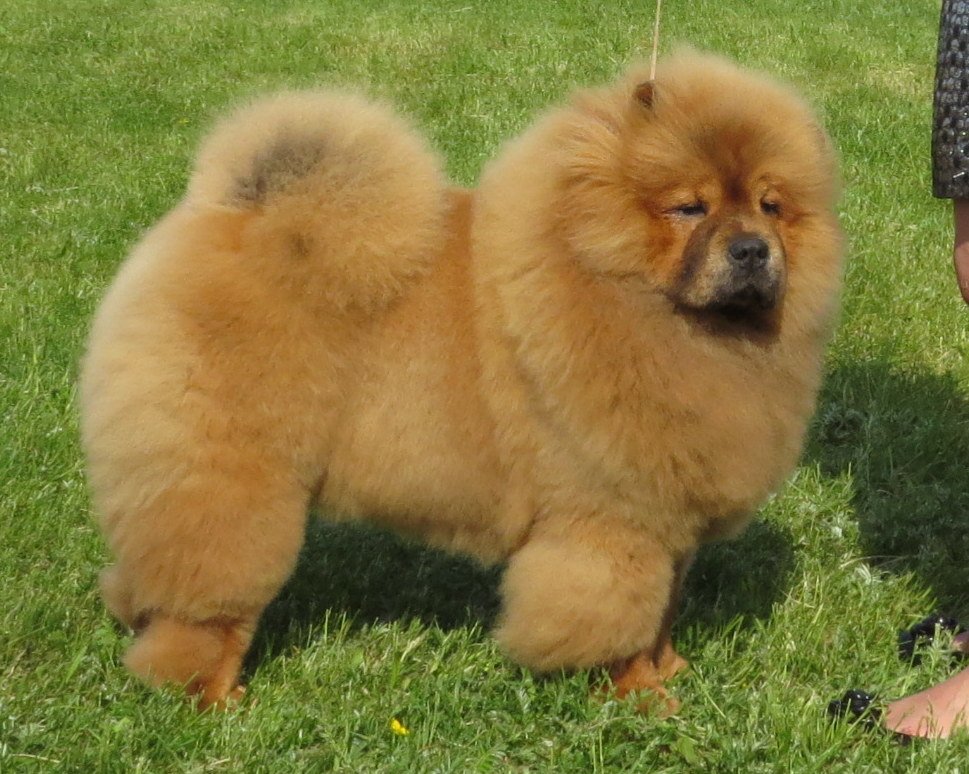
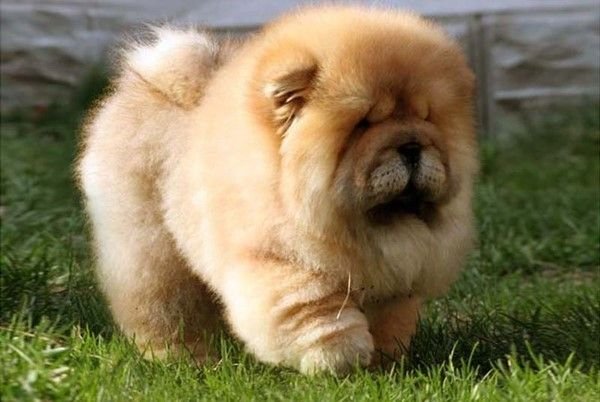
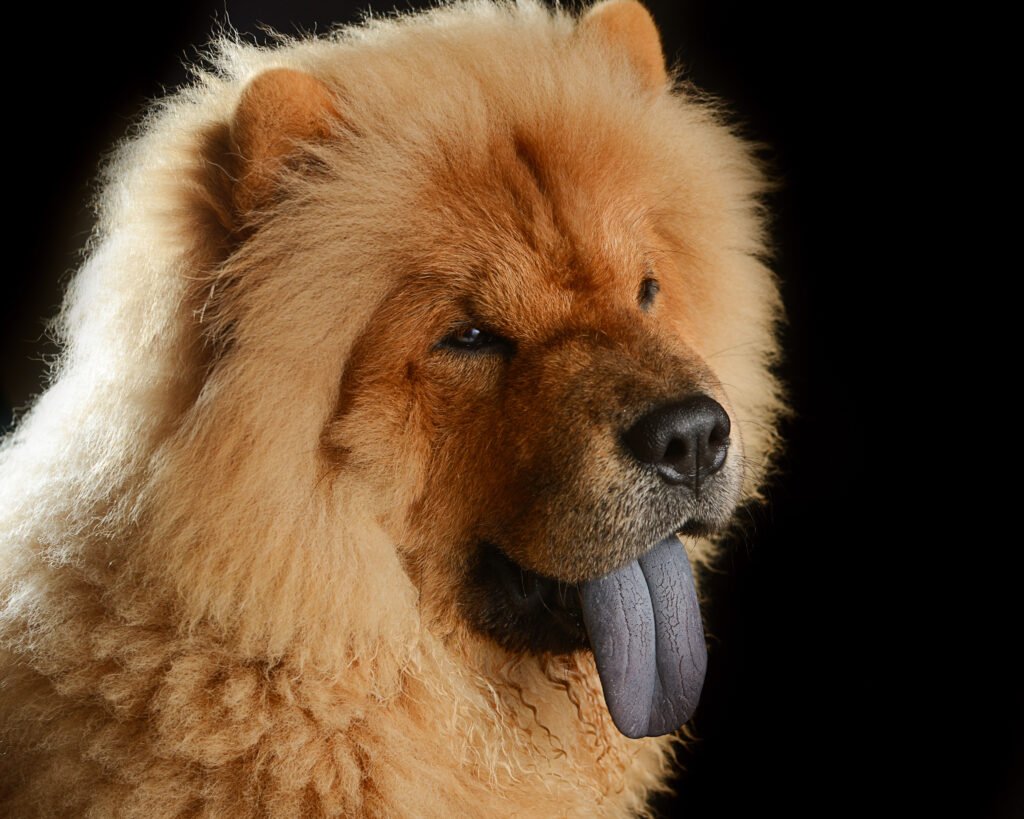
Discover the Chow Chow—a unique dog breed known for its lion-like mane, blue-black tongue, and loyal yet independent personality.



Reference : Britannica
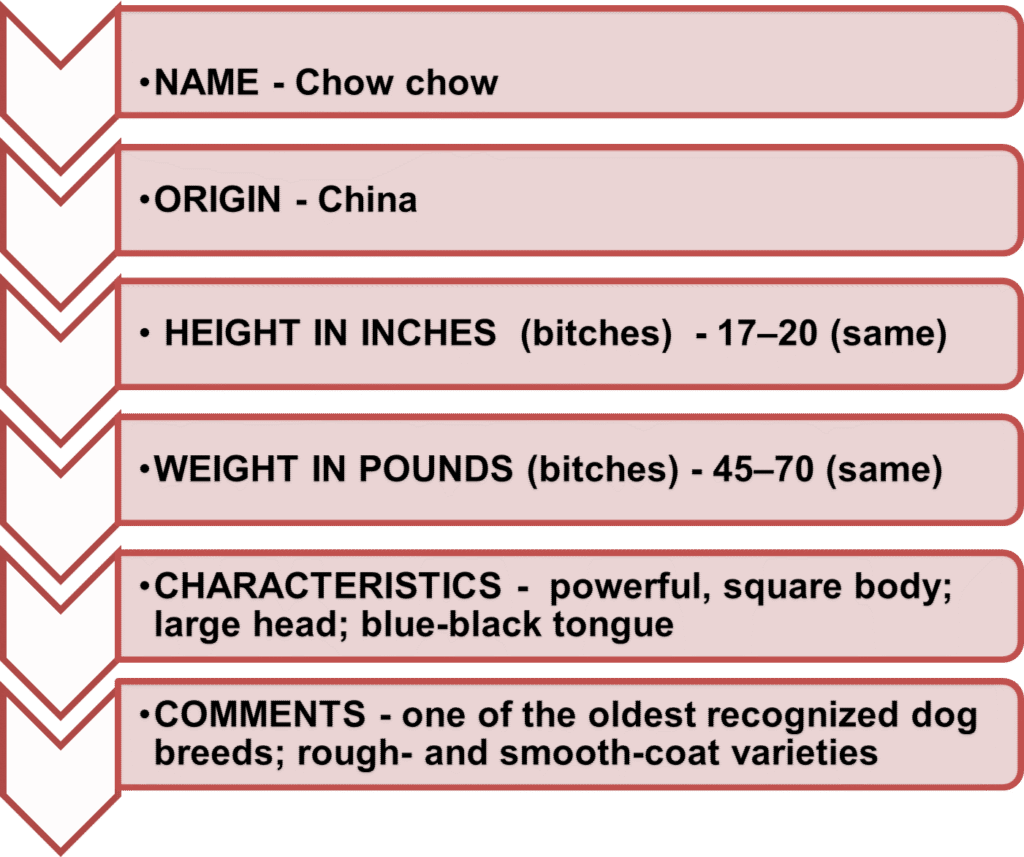
The Chow Chow is one of the most distinctive dog breeds in the world, admired for its lion-like appearance and reserved personality. Originating from China, this ancient breed carries both cultural significance and a strong sense of individuality.
Origins and Historical Roles
The Chow Chow originated in China, where it served a variety of roles throughout history.
• Guarding homes and temples
• Hunting and herding
• Pulling carts
• Serving as a noble companion
This versatility has contributed to the breed’s strength, intelligence, and enduring legacy.
Distinctive Appearance
The Chow Chow is easily recognized by its striking and unique features:
• Thick, fluffy double coat
• Lion-like mane around the neck
• Short, stocky and sturdy body
• Deep-set, almond-shaped eyes
Their powerful build combined with an elegant posture gives them a commanding presence.
Coat and Colors
The Chow Chow comes in a variety of beautiful coat colors:
• Red
• Black
• Blue
• Cinnamon
• Cream
Their dense coat requires regular grooming to maintain its plush and healthy appearance.
Unique Features
One of the most remarkable traits of the Chow Chow is its blue-black tongue, a rare characteristic among dogs.
Their broad skull, square muzzle, and signature “scowl” contribute to their dignified and sometimes aloof expression, adding to their mystique.
Temperament: Loyal Yet Independent
Chow Chows are known for their unique and complex personality.
They are independent, reserved, and often described as “cat-like” in behavior. While they form strong bonds with their families, they may remain distant with strangers.
Training and Socialization
Training a Chow Chow requires patience and consistency.
• Respond best to positive reinforcement
• Require early socialization
• Need firm but gentle guidance
• Thrive with routine and structure
Their independent nature means they often think for themselves, making training both a challenge and a rewarding experience.
Care and Grooming Needs
Proper care is essential for maintaining the health and appearance of a Chow Chow:
• Frequent brushing to prevent matting
• Regular grooming sessions
• Balanced nutrition
• Moderate daily exercise
Consistent grooming is especially important due to their thick double coat.
Why the Chow Chow Stands Out
The Chow Chow stands out for its combination of beauty, dignity, and independence.
Its unique traits and calm demeanor make it an excellent companion for owners who appreciate a more reserved and self-sufficient pet.
Final Thoughts
The Chow Chow is a breed unlike any other, offering loyalty, elegance, and individuality.
With proper care, training, and understanding, this remarkable breed can become a deeply devoted companion.
Dalmatian: The Energetic and Iconic Spotted Companion
Discover the Dalmatian—a striking dog breed known for its spotted coat, energetic nature, and historic role alongside firefighters.
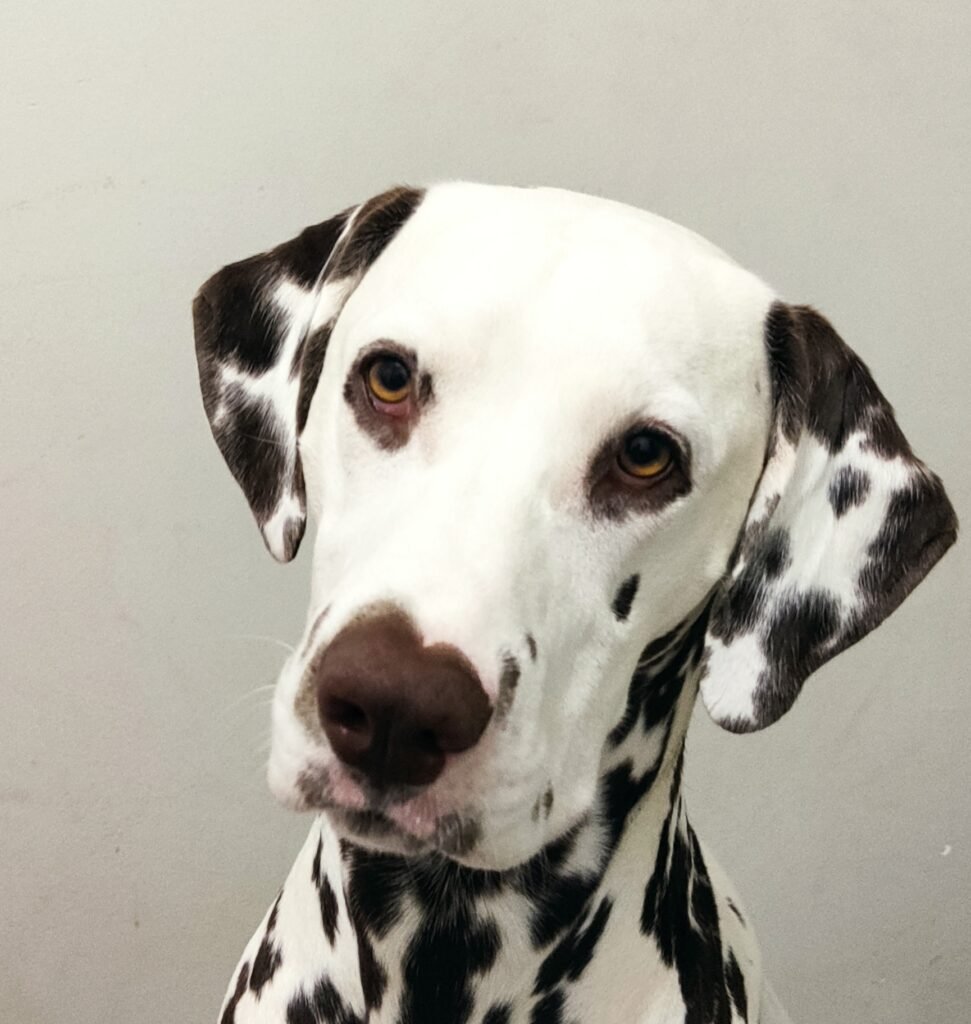

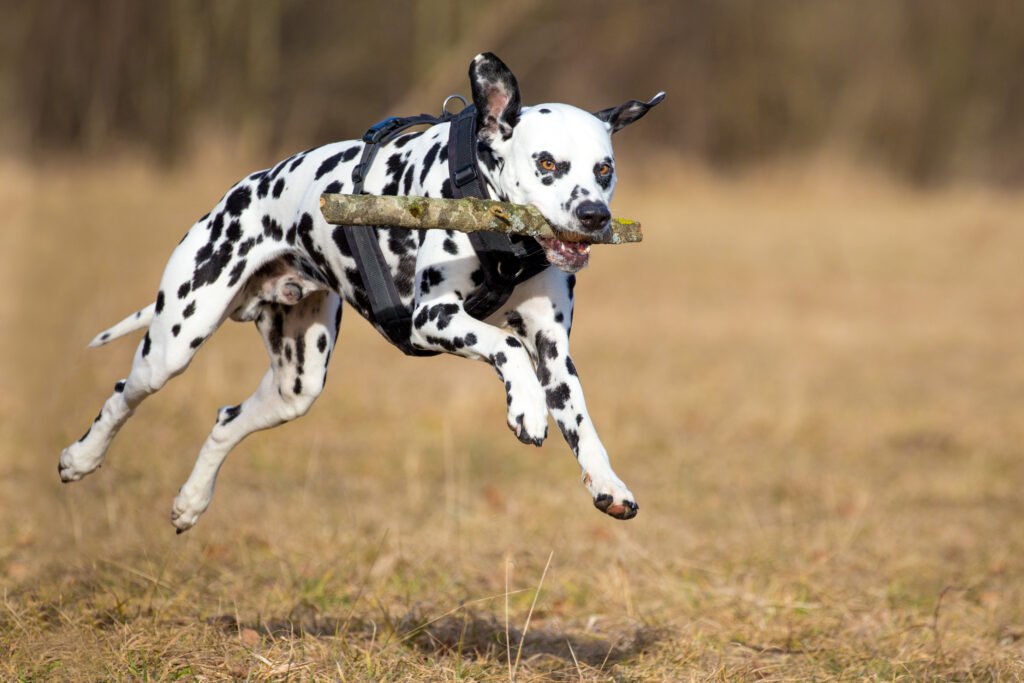

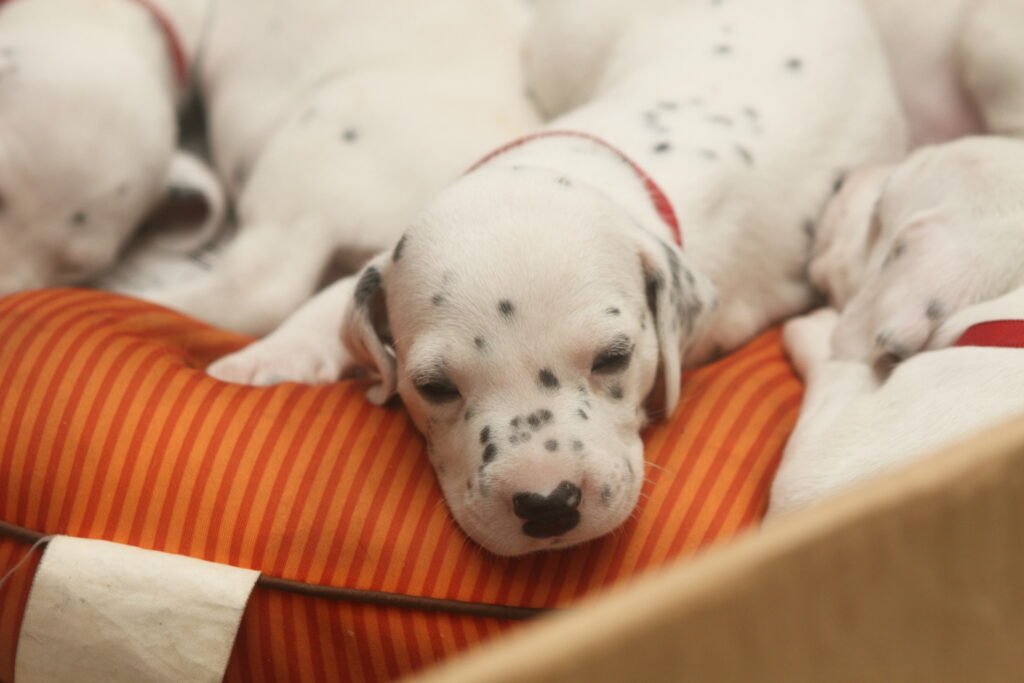

Reference : Britannica
The Dalmatian is one of the most recognizable dog breeds in the world, famous for its distinctive spotted coat and energetic personality. With a rich history and strong bond with humans, this breed continues to captivate dog lovers globally.
Origins and Historical Roles
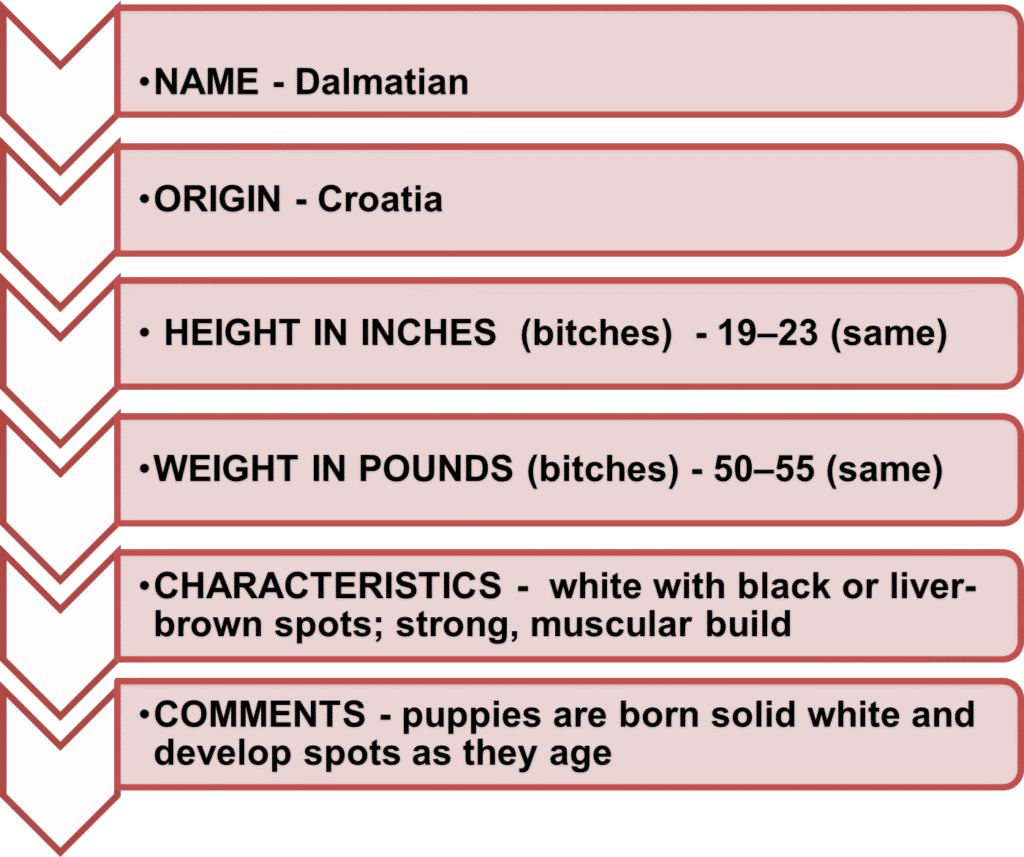
The Dalmatian originated from the region of Dalmatia in present-day Croatia, with a lineage that dates back to ancient times.
• War dog and guard dog
• Carriage dog for nobility
• Companion to aristocrats
• Firehouse dog alongside horse-drawn engines
Their role as carriage dogs later led to their association with firefighting, where they ran alongside horses and protected equipment.
Distinctive Appearance
Dalmatians are admired for their unique and elegant look:
• Short, smooth, and glossy coat
• Black or liver-colored spots on a white base
• Strong, athletic build
• Deep chest and graceful posture
Their striking coat pattern makes them instantly recognizable and visually stunning.
Temperament: Energetic and Loyal
The Dalmatian is known for its lively and intelligent personality.
They are highly energetic, loyal, and affectionate with their families. When properly socialized, they get along well with children and other pets, making them excellent companions for active households.
Exercise and Training Needs
Due to their high energy levels, Dalmatians require regular activity and mental stimulation:
• Daily exercise (runs, walks, playtime)
• Structured training sessions
• Mental enrichment activities
• Early socialization
Without sufficient activity, they may develop behavioral issues, making them best suited for active owners.
Care and Grooming
The Dalmatian has relatively low grooming needs but benefits from regular care:
• Weekly brushing to manage shedding
• Routine bathing
• Balanced diet
• Regular veterinary check-ups
Despite their short coat, they are known to shed consistently.
Health Considerations
Dalmatians are prone to certain genetic health concerns:
• Deafness (common in the breed)
• Urinary tract issues
• Skin sensitivities
Responsible breeding and early health screenings are essential to ensure a healthy dog.
Why the Dalmatian Stands Out
The Dalmatian stands out for its iconic appearance and energetic personality.
Its historical significance and strong bond with humans make it both a fascinating and rewarding companion.
Final Thoughts
The Dalmatian is a vibrant and loyal breed that thrives in active environments.
With proper care, training, and attention, this remarkable breed can become a devoted and energetic member of any family.
Standard Poodle: The Elegant and Intelligent All-Rounder
Discover the Standard Poodle—a highly intelligent, elegant, and versatile dog breed known for its curly coat and exceptional trainability.
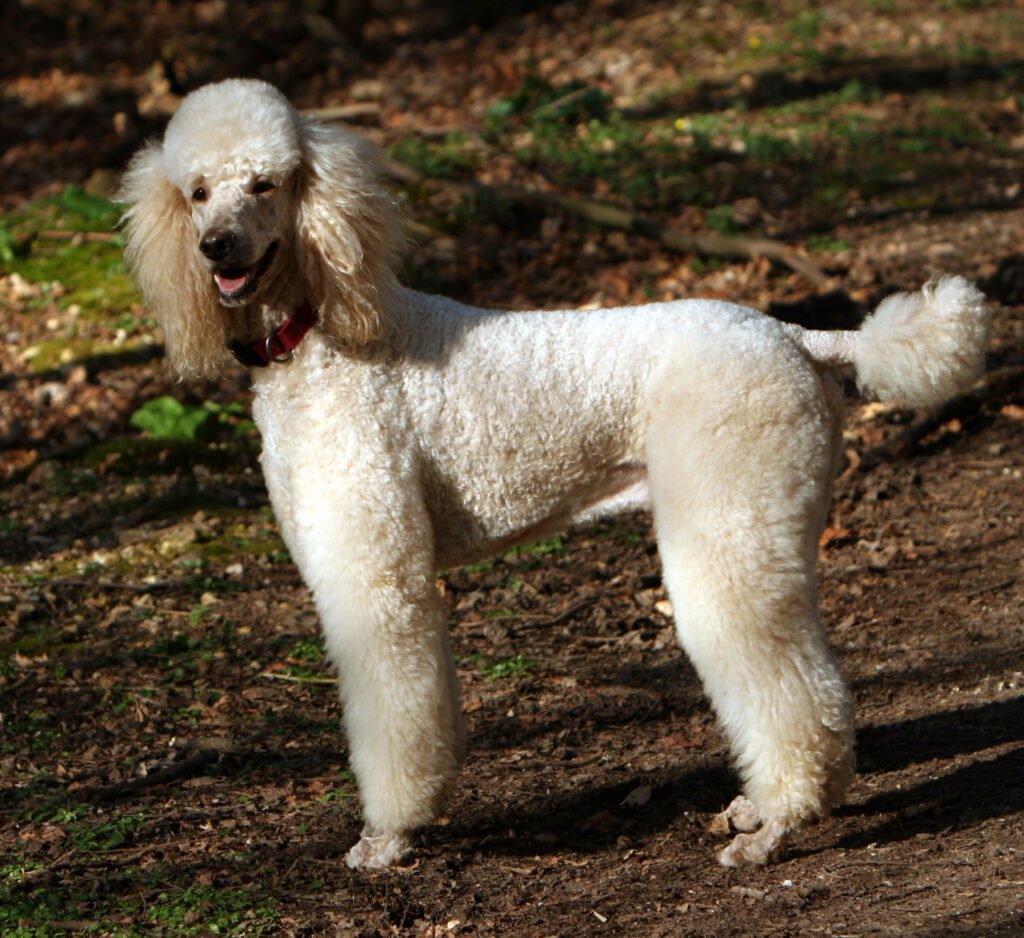

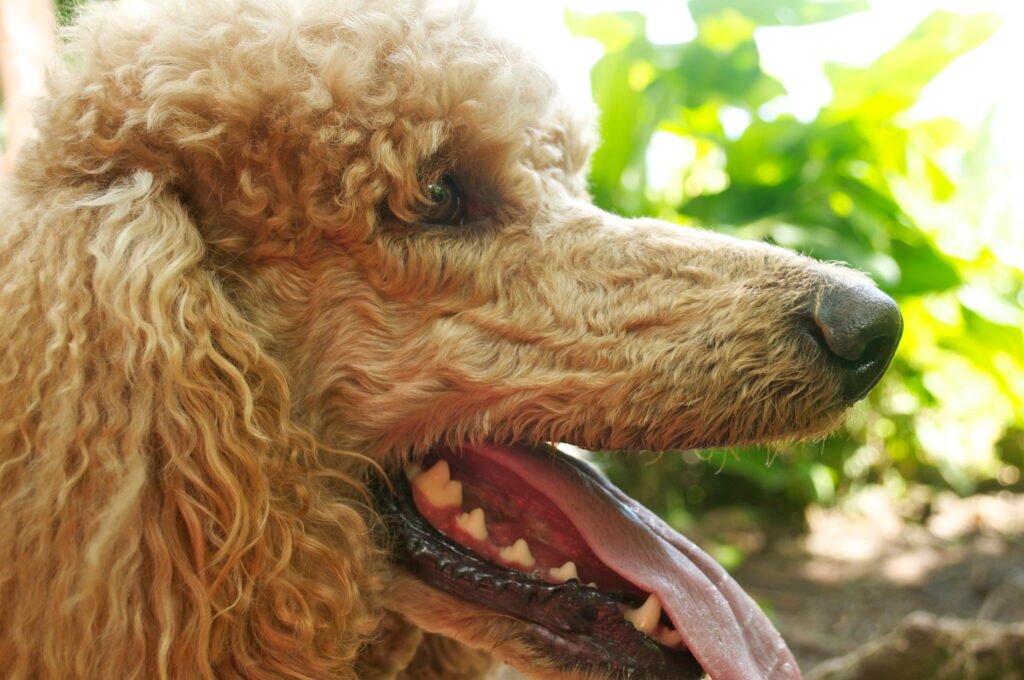

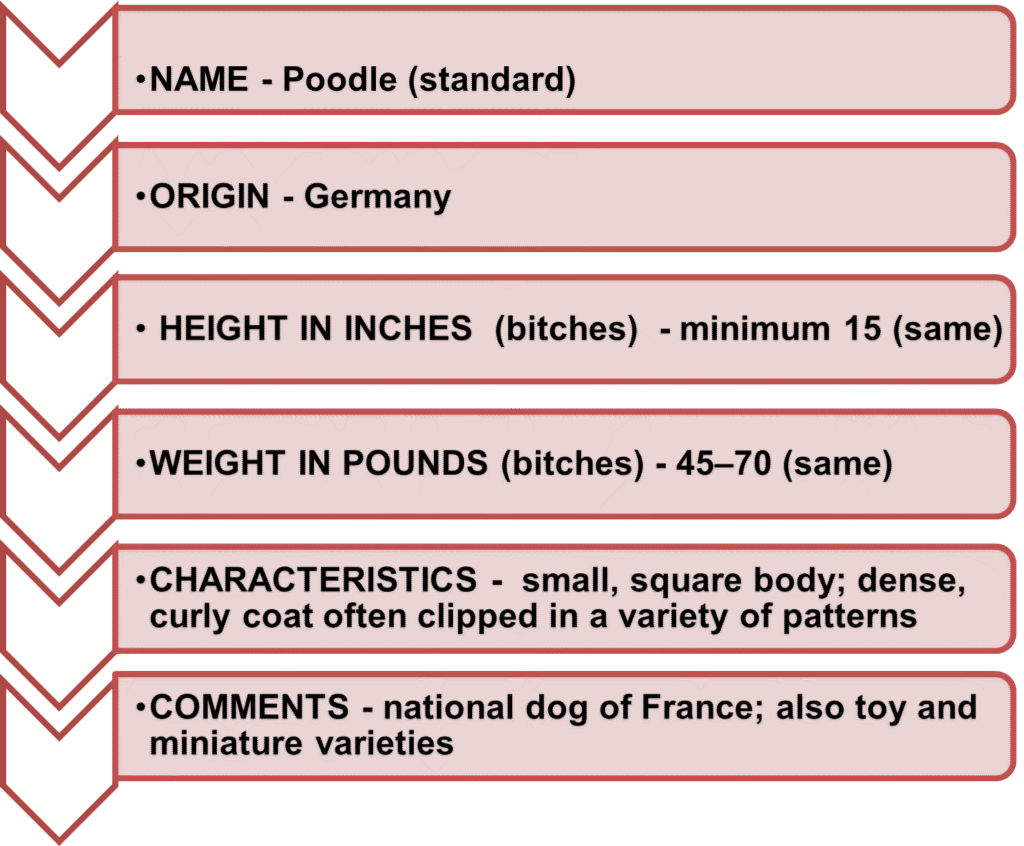 Photo Credit: Jason Turse 27 June 2011
Reference : Britannica
The Standard Poodle is a breed that perfectly blends elegance, intelligence, and athleticism. With a rich history and remarkable versatility, it has earned its place as both a beloved companion and a highly capable working dog.
Origins and History
The Standard Poodle traces its roots back to 15th-century Germany, where it was originally bred as a water retriever.
The breed was later refined in France, where it gained popularity and recognition for its intelligence and elegance.
• Originally used for hunting waterfowl
• Adapted for cold water retrieval
• Later became a companion and show dog
• Widely admired across Europe
Distinctive Appearance
The Standard Poodle is known for its refined and athletic look:
• Well-proportioned and athletic body
• Dense, curly coat
• Elegant posture and movement
• Proud and alert expression
Its iconic curly coat is not just for aesthetics—it serves a practical purpose in protecting the dog during water work.
Coat and Colors
The Standard Poodle comes in a variety of stunning colors:
• White
• Black
• Apricot
• Gray
Their curly coat helps repel water and retain warmth, making them highly functional as well as visually striking.
Temperament: Friendly and Intelligent
Standard Poodles are known for their friendly, sociable nature and eagerness to please.
They thrive in family environments where they can interact regularly with their owners and participate in activities. Their gentle demeanor and playful spirit make them excellent companions.
Trainability and Performance
The Standard Poodle consistently ranks among the most intelligent dog breeds.
• Highly trainable and responsive
• Excels in obedience training
• Performs well in agility and dog sports
• Frequently seen in shows and performances
Their intelligence allows them to learn commands quickly and perform complex tasks with ease.
Exercise and Care Needs
Standard Poodles require regular activity and grooming to stay healthy:
• Daily exercise and playtime
• Mental stimulation
• Regular grooming and coat maintenance
• Routine veterinary care
Their active nature means they do best in homes that can provide both physical and mental engagement.
Versatility and Roles
The Standard Poodle has proven its adaptability across many roles:
• Hunting and retrieving
• Companion animal
• Show dog
• Performance and entertainment roles
This versatility is one of the reasons the breed remains so popular worldwide.
Why the Standard Poodle Stands Out
The Standard Poodle stands out for its unmatched combination of beauty, intelligence, and adaptability.
Whether in the field, at a competition, or at home, this breed excels in nearly every environment.
Final Thoughts
The Standard Poodle is more than just an elegant dog—it is a loyal, intelligent, and versatile companion.
For those seeking a breed that offers both sophistication and energy, the Standard Poodle is an exceptional choice that brings joy, companionship, and endless possibilities.
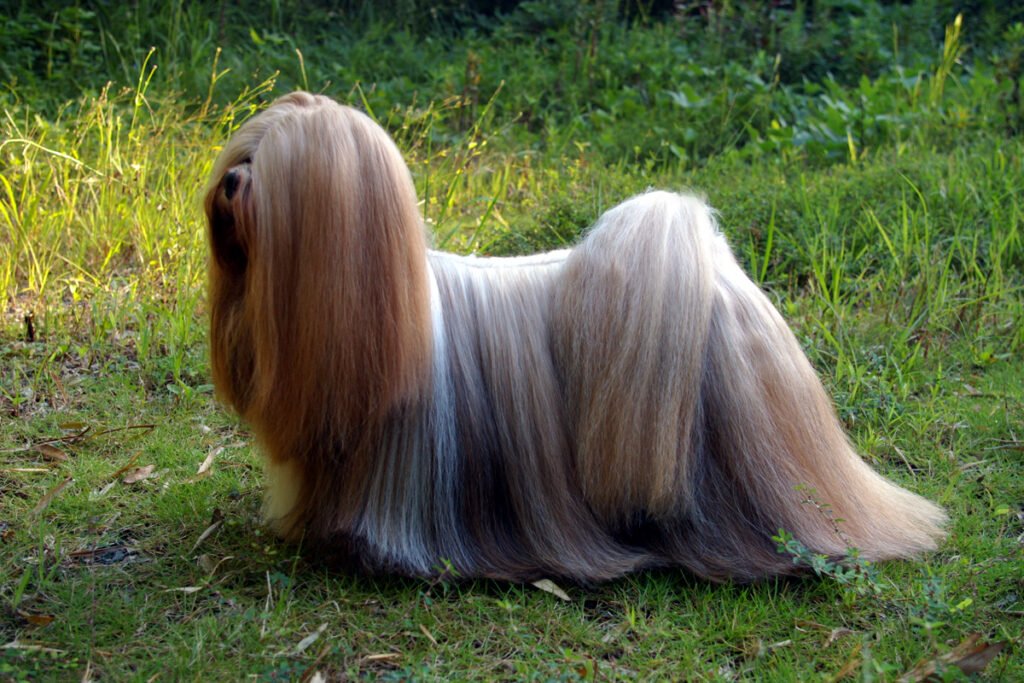
Lhasa Apso: The Regal Guardian with a Loyal Heart
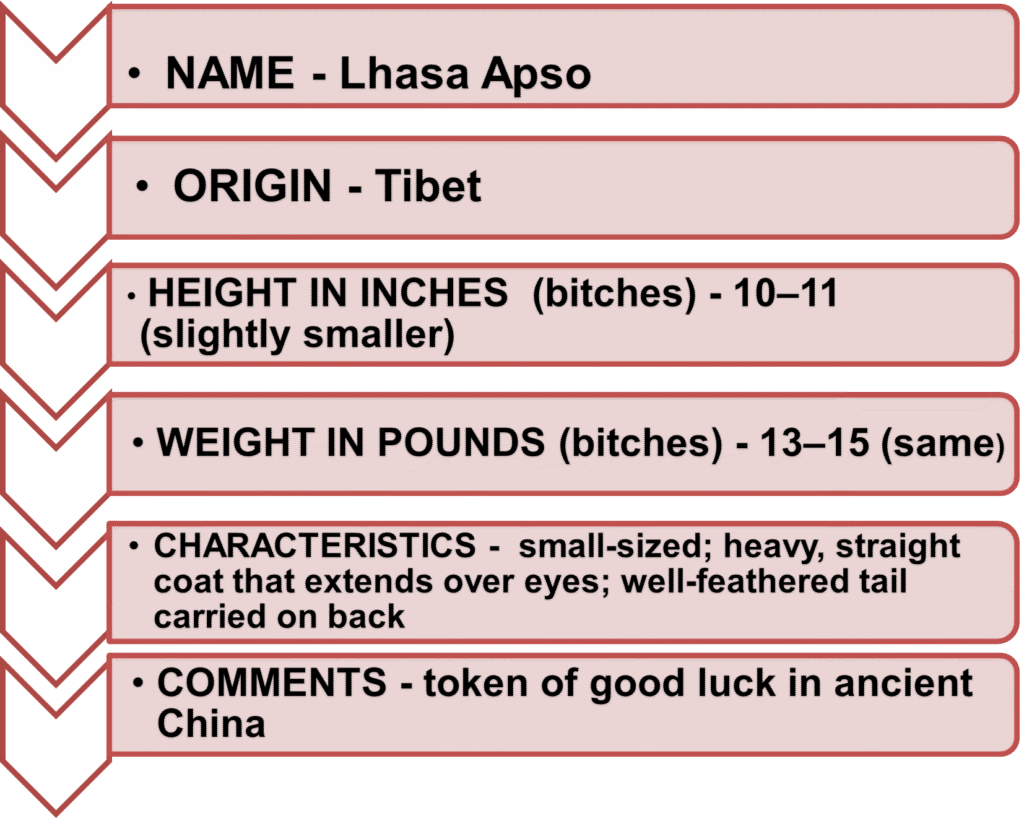
Discover the Lhasa Apso—a small yet confident dog breed known for its long coat, protective nature, and ancient Tibetan heritage.
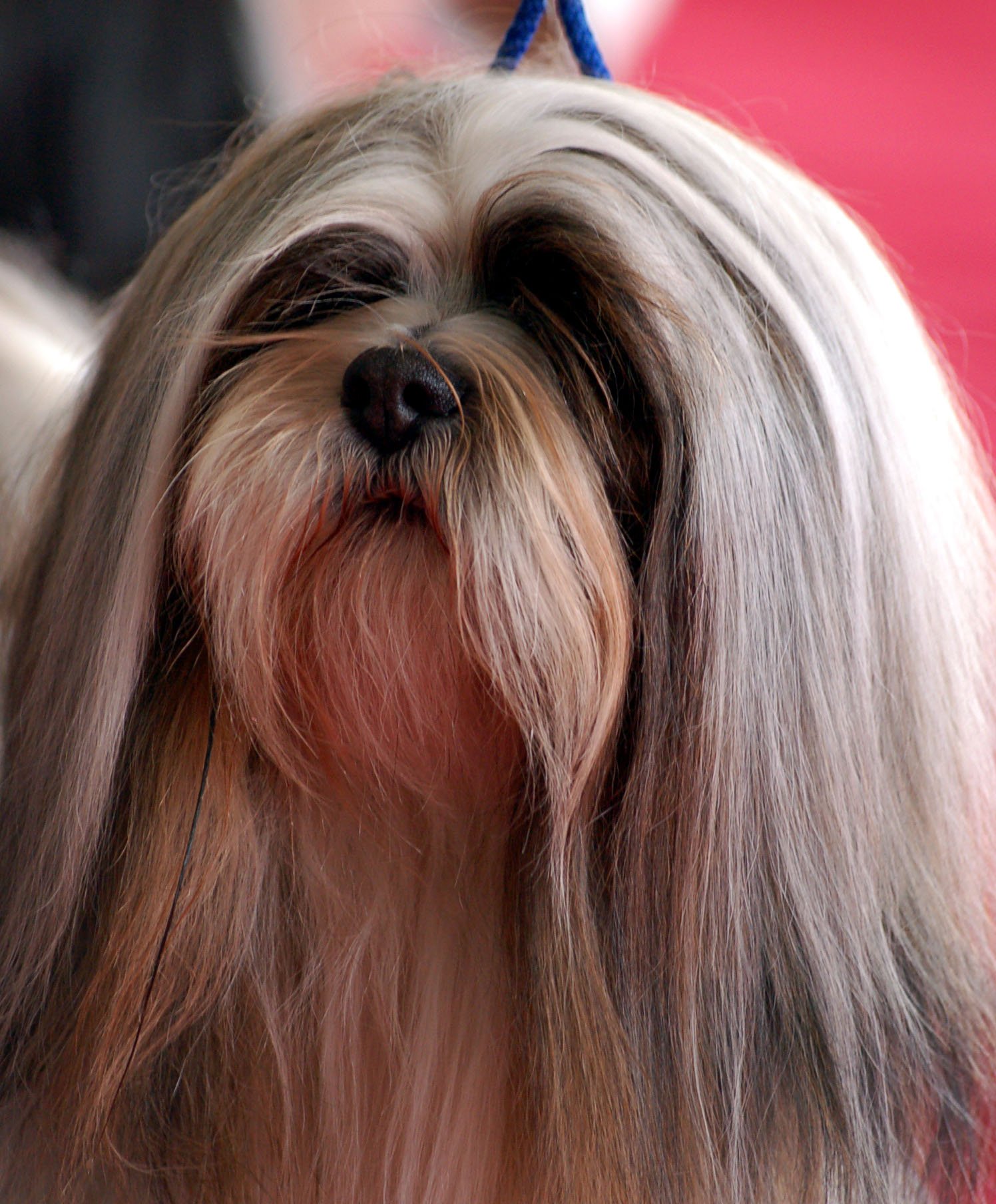


Reference : Britannica
The Lhasa Apso is a breed steeped in history, admired for its regal appearance and strong personality. Originating from Tibet, this small yet resilient dog has long served as both a cherished companion and a vigilant guardian of monasteries.
Origins and Historical Role
The Lhasa Apso traces its roots to ancient Tibet, where it held a special place in religious and cultural life.
• Guardian of monasteries and temples
• Companion to monks and nobility
• Symbol of protection and good fortune
Their keen alertness and protective instincts made them excellent watchdogs in sacred spaces.
Distinctive Appearance
The Lhasa Apso is known for its elegant and eye-catching features:
• Long, flowing double coat
• Sturdy, compact body
• Large, dark expressive eyes
• Long, drooping ears
Their appearance reflects both strength and sophistication, giving them a dignified presence despite their small size.
Coat and Colors
The Lhasa Apso comes in a variety of beautiful coat colors:
• Gold
• Cream
• Slate
• Black
Their double coat consists of a coarse outer layer and a soft undercoat, requiring consistent grooming to maintain its beauty and health.
Temperament: Confident and Alert
Lhasa Apsos are known for their strong and confident personalities.
They are alert, independent, and sometimes aloof, especially with strangers. However, they form deep bonds with their families and are incredibly loyal companions.
Training and Socialization
Training a Lhasa Apso requires patience and consistency:
• Early socialization is essential
• Respond well to positive reinforcement
• Can be independent and stubborn
• Benefit from structured routines
With proper training, they become well-mannered and reliable companions.
Health and Care Needs
The Lhasa Apso is generally hardy but may be prone to certain health conditions:
• Hip dysplasia
• Eye conditions (e.g., cataracts)
• Skin issues related to coat maintenance
Regular veterinary care, grooming, and a balanced diet are key to maintaining their overall health.
Why the Lhasa Apso Stands Out
Its history as a guardian and companion adds depth to its personality, making it a truly special breed.
Final Thoughts
The Lhasa Apso is a remarkable breed that blends beauty, history, and devotion.
For those willing to invest in grooming and training, this ancient companion offers unwavering loyalty and a dignified presence that enriches any home.
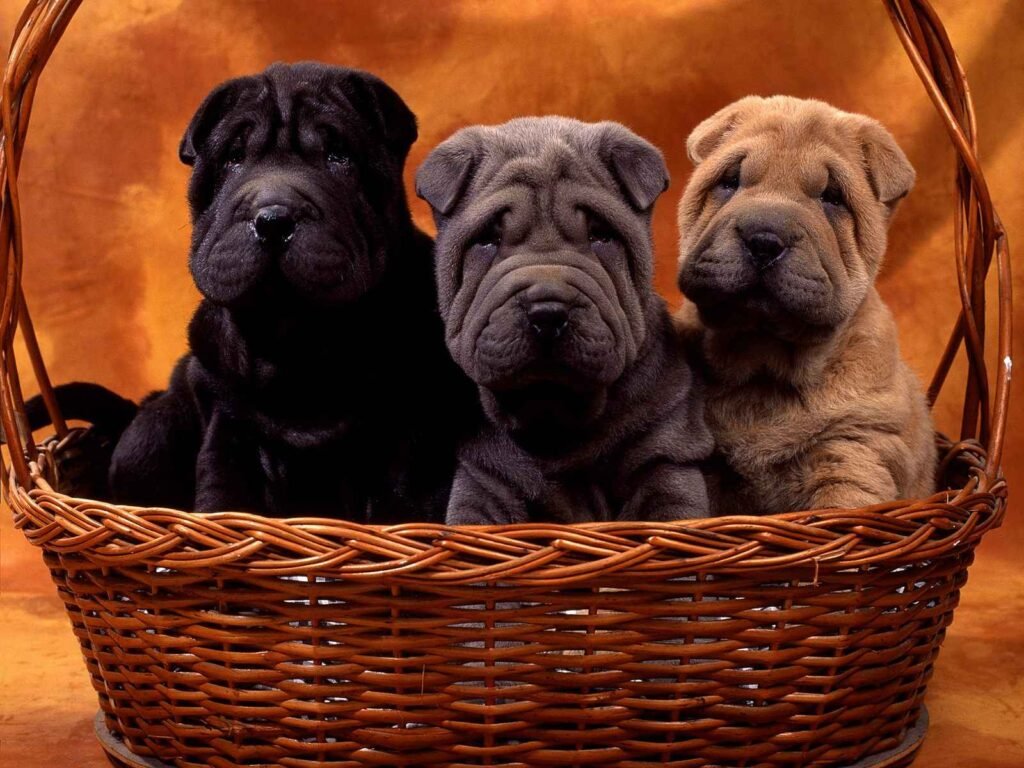
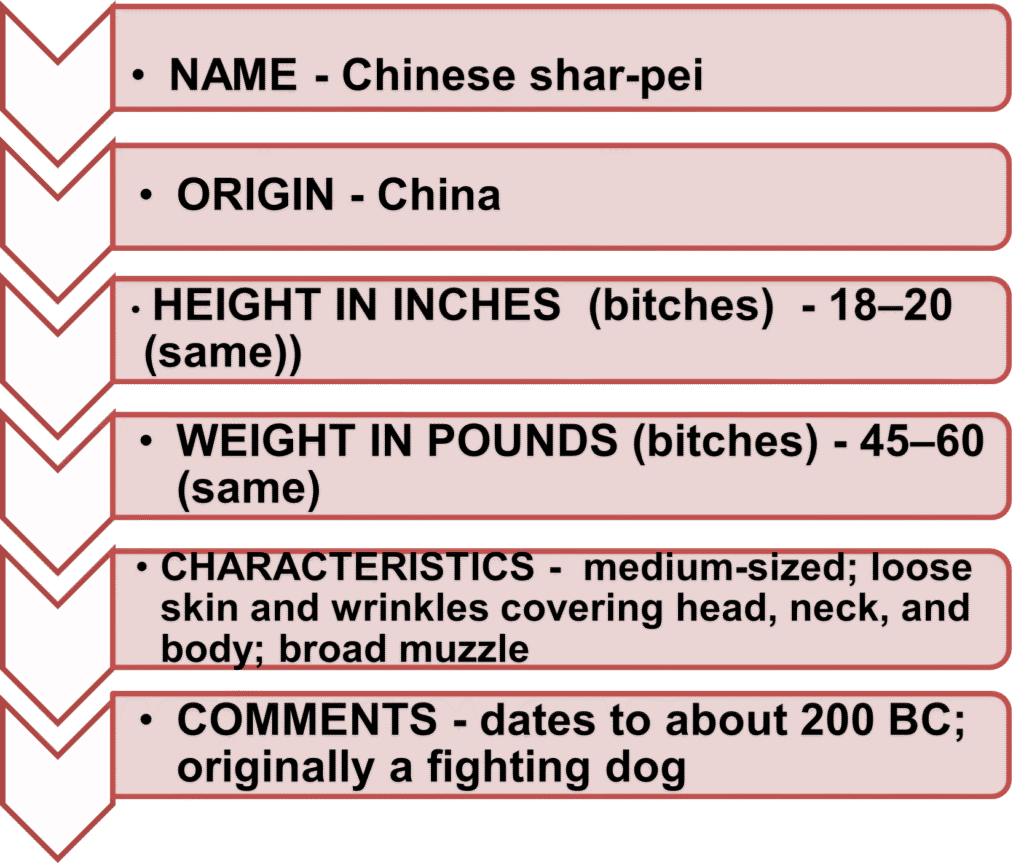
Chinese Shar-Pei: The Wrinkled Guardian with a Loyal Soul
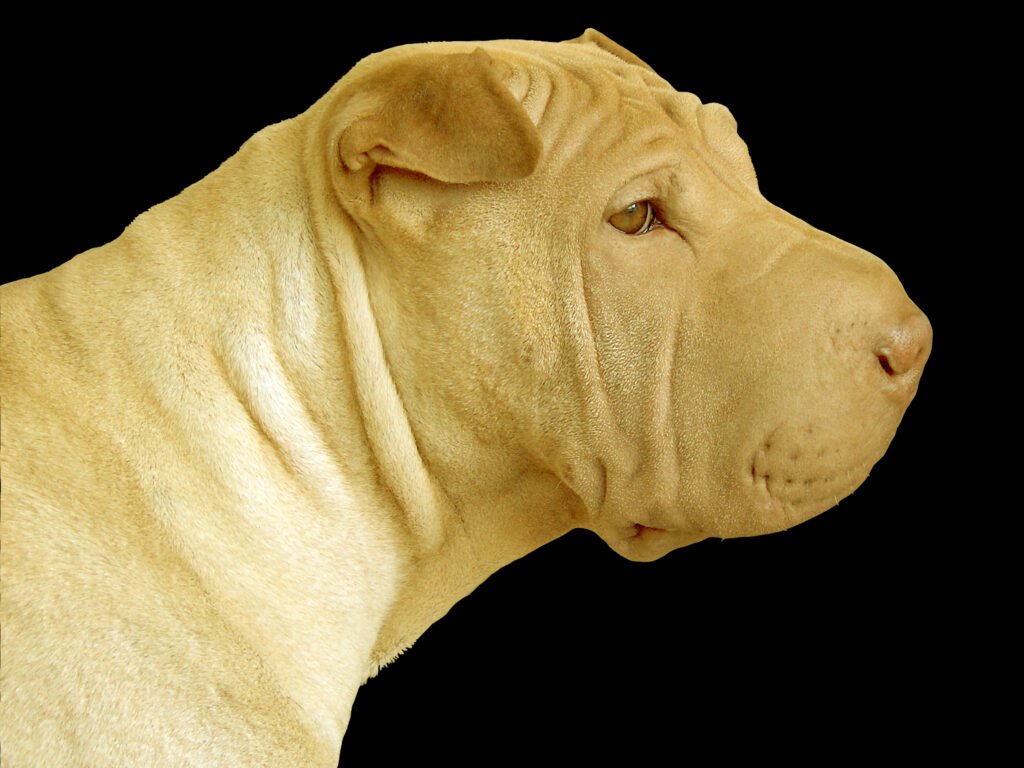
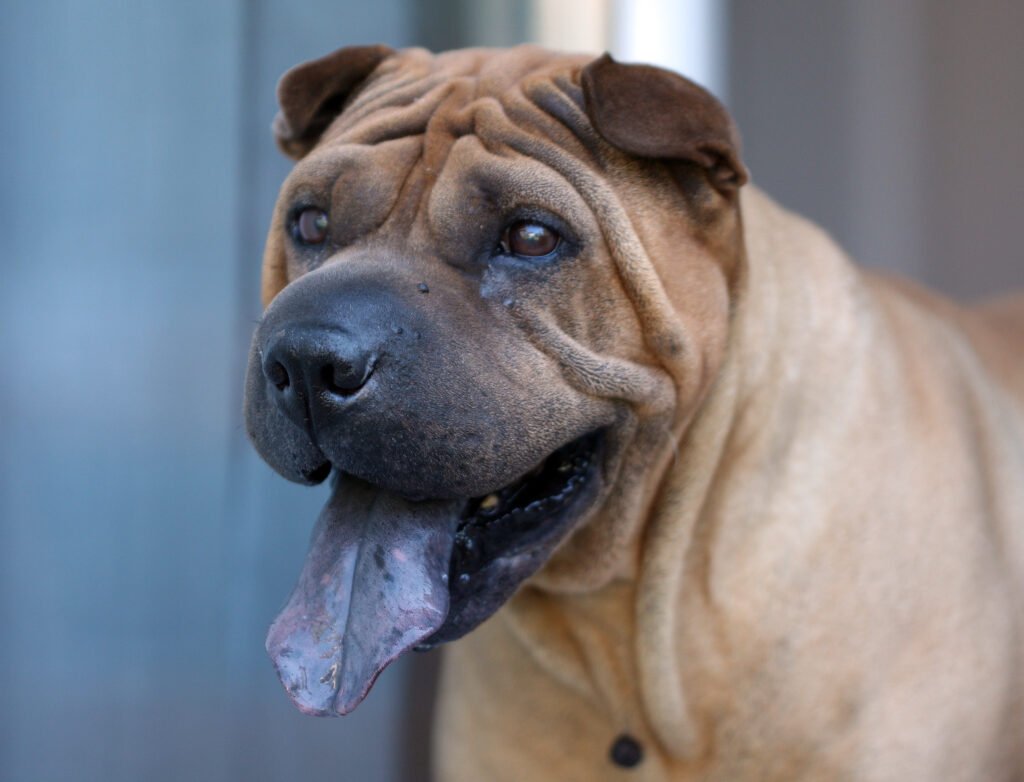
Discover the Chinese Shar-Pei—a unique dog breed known for its wrinkled skin, loyal nature, and ancient Chinese heritage.



Reference : Britannica
The Chinese Shar-Pei is one of the most distinctive dog breeds in the world, instantly recognizable by its deep wrinkles and “hippopotamus” face. With ancient roots in China, this breed combines a rich history with a calm yet protective personality.
Origins and Historical Role
The Chinese Shar-Pei originated in China, where it was bred for practical purposes on farms and in rural communities.
• Livestock guardian
• Farm dog
• Hunting companion
• Home protector
Despite periods of decline, the breed was preserved and revived through dedicated breeding efforts, eventually gaining global recognition.
Distinctive Appearance
The Shar-Pei is famous for its truly unique physical traits:
Deep, loose skin folds and wrinkles
• Broad “hippopotamus” muzzle
• Small, sunken eyes
• Compact, sturdy build
Originally, their loose skin helped protect them during confrontations, but today it contributes to their unmistakable charm.
Coat and Colors
The Chinese Shar-Pei has a short, bristly coat that enhances its distinct look:
• Sandy beige
• Black
• Blue
• Chocolate
Their rough-textured coat, combined with their wrinkles, makes them one of the most visually unique breeds.
Temperament: Calm and Protective
The Chinese Shar-Pei is known for its calm, dignified personality.
They are typically reserved with strangers but deeply loyal and protective of their families. This natural guarding instinct makes them excellent watchdogs.
Training and Socialization
Training a Shar-Pei requires patience and consistency:
• Independent and sometimes stubborn
• Responds best to positive reinforcement
• Needs early socialization
• Benefits from firm but gentle guidance
With proper training, they can become well-behaved and dependable companions.
Care and Grooming Needs
The Chinese Shar-Pei requires specialized care due to its unique skin structure:
• Regular cleaning of skin folds
• Routine grooming and hygiene
• Balanced nutrition
• Daily exercise and mental stimulation
Proper skin care is essential to prevent irritation and infections.
Health Considerations
• Skin infections (due to folds)
• Eye conditions
• Hip dysplasia
Regular veterinary check-ups and responsible breeding practices are key to maintaining their health.
Why the Shar-Pei Stands Out
The Chinese Shar-Pei stands out for its extraordinary appearance and loyal temperament.
Its combination of independence, intelligence, and protective instincts makes it a unique companion for experienced dog owners.
Final Thoughts
The Chinese Shar-Pei is a breed rich in history, character, and individuality.
With proper care, training, and attention, this remarkable dog can become a devoted and protective member of the family, offering both companionship and security.
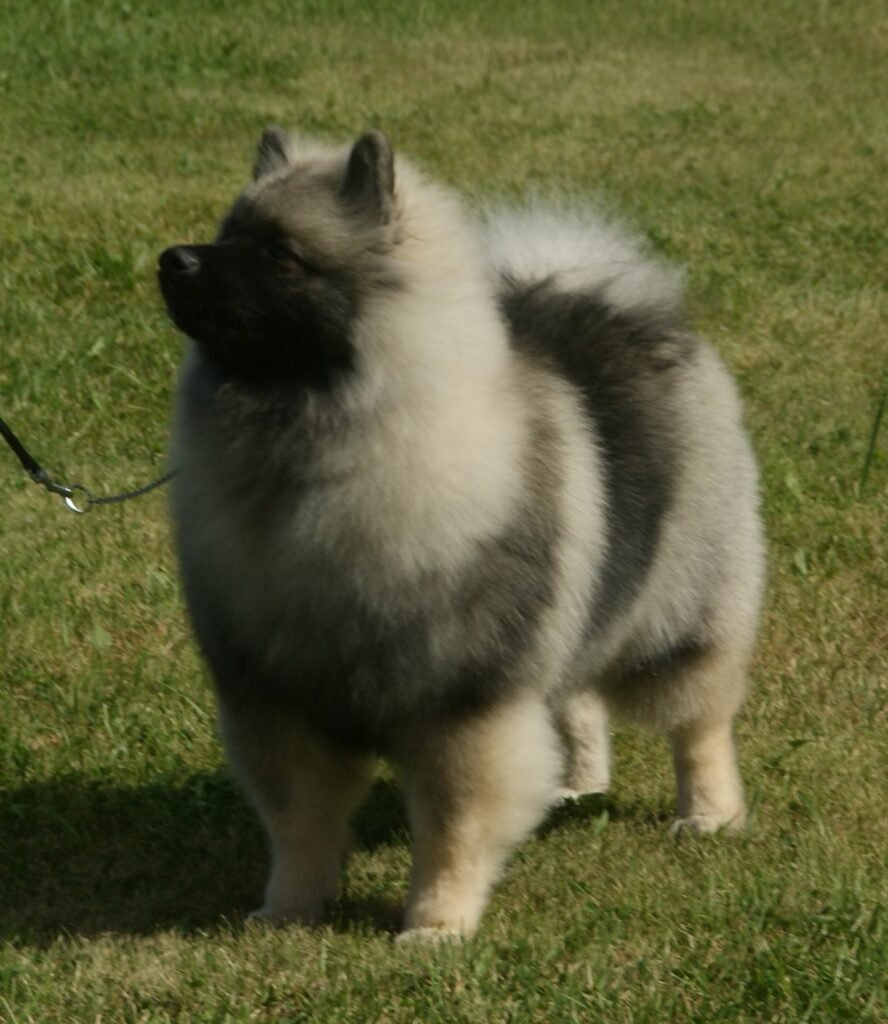
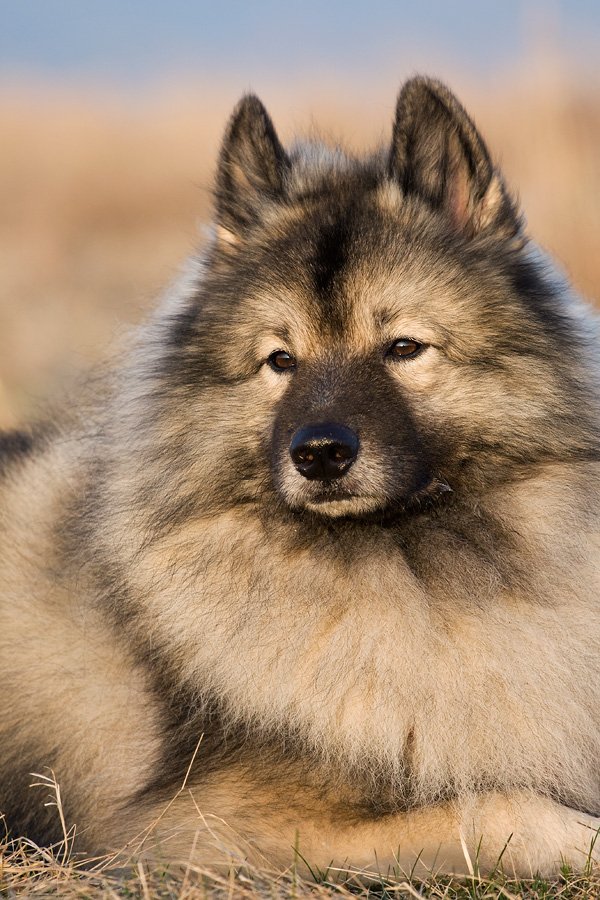
🐾 Keeshond Dog Breed Guide: The Smiling Dutch Companion


Reference : Britannica
🏛️ Origins and Historical Significance
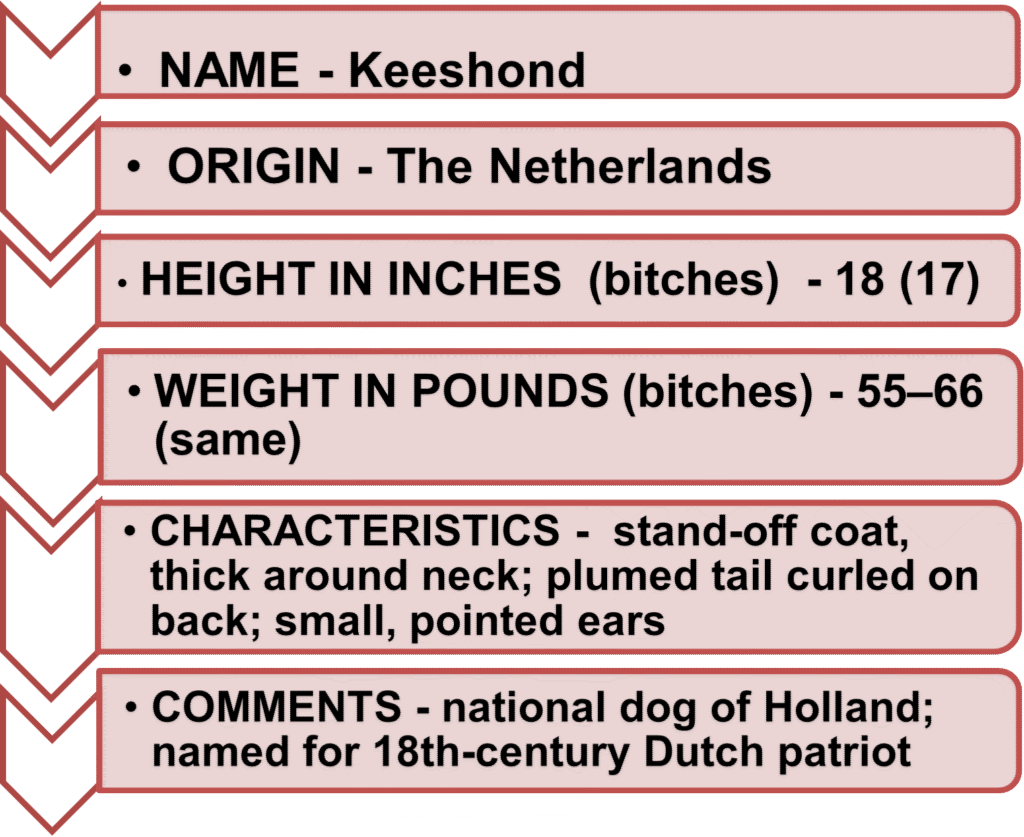
The Keeshond is a distinguished breed with roots in the Netherlands, where it gained prominence during the 18th century. Historically, these dogs served as loyal companions and vigilant watchdogs aboard canal boats, farms, and homes. Their name is linked to Dutch political figure Cornelis de Gyselaer, whose nickname “Kees” became associated with this beloved breed—making the Keeshond a symbol of loyalty and national pride.
🐕 Appearance and Distinctive Features
The Keeshond is instantly recognizable thanks to its striking and expressive look:
- Size: Medium-sized, typically 17–18 inches tall
- Build: Sturdy yet elegant, combining strength with agility
- Coat: Thick double coat with a long, straight outer layer and dense undercoat
- Color: Shades of gray, black, and cream with subtle orange hues
- Signature Feature: “Spectacles”—distinct facial markings that resemble glasses
These features give the Keeshond an alert, intelligent, and friendly expression that dog lovers find irresistible.
💛 Personality and Temperament
Keeshonds are known for their lively and affectionate nature:
- Loyal and Devoted: They form deep bonds with their families
- Friendly: Excellent with children and other pets
- Playful: Enjoy interactive games and outdoor activities
- Alert: Naturally attentive, making them great watchdogs
Their cheerful personality often earns them the nickname “Smiling Dutchman.”
🏡 Lifestyle and Compatibility
The Keeshond adapts well to various living environments:
- Ideal for families, including those with children
- Suitable for apartment living if given enough exercise
- Thrives in homes where they receive attention and companionship
They love being part of daily activities and do not do well when left alone for long periods.
🧠 Intelligence and Activity Needs
This breed is both intelligent and energetic:
- Trainability: Quick learners who respond well to positive reinforcement
- Exercise Needs: Moderate—daily walks and playtime are essential
- Mental Stimulation: Enjoy puzzles, training sessions, and interactive play
Keeping them mentally and physically engaged helps prevent boredom-related behaviors.
✨ Final Thoughts
The Keeshond is more than just a beautiful dog—it is a joyful, loyal, and deeply affectionate companion. With its rich history, expressive appearance, and vibrant personality, this breed brings warmth and happiness into any home. For those seeking a devoted family dog that thrives on connection and companionship, the Keeshond stands out as an exceptional choice.
Non-Sporting Group Comparative Table
| Breed | Origin | Size | Coat Type | Tempera-ment | Energy Level | Trainability | Grooming Needs | Best For |
| Bulldog | England | Medium | Short smooth | Calm, loyal, gentle | Low | Moderate | Low | Apartment Living, Laid-back owners |
| Chow Chow | China | Medium | Thick double coat | Independent, reserved, loyal | Low-Moderate | Moderate | High | Experience owners, quiet homes |
| Dalmatian | Croatia | Medium | Short spotted | Energetic, outgoing, loyal | High | Moderate | Low | Active families, runners |
| Poodle (Standard) | German/France | Medium-Large | Curly, dense | Intelligent, friendly, alert | High | Very High | High | Active families, training enthusiasts |
| Lhasa Apso | Tibet | Small | Long, dense | Alert, independent, protective | Low-Moderate | Moderate | High | Apartment living, watchdog role |
| Chinese Shar-Pei | China | Medium | Short, wrinkled | Calm, loyal, aloof | Low-Moderate | Moderate | Moderate | Experienced owners, guard role |