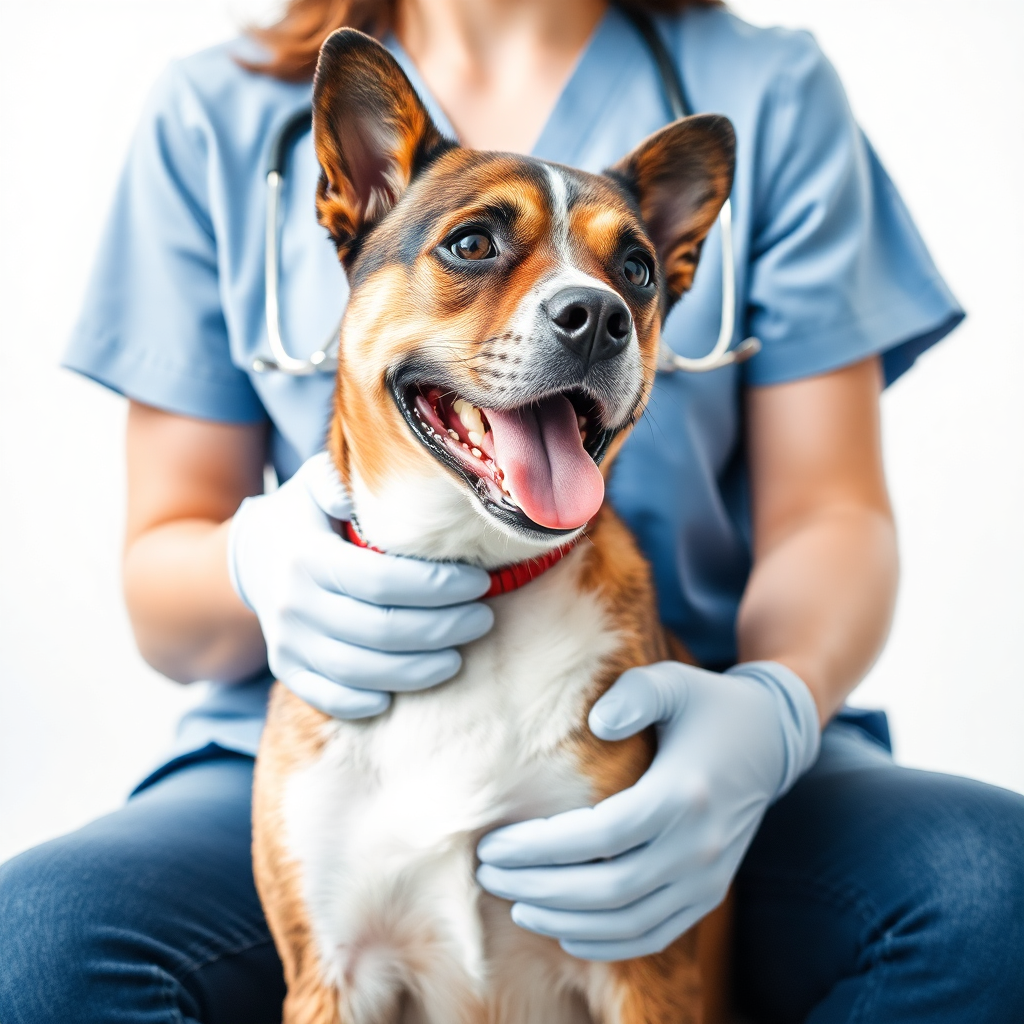
Mutual Dependence: Why Pet and Master Needs Are Inseparable
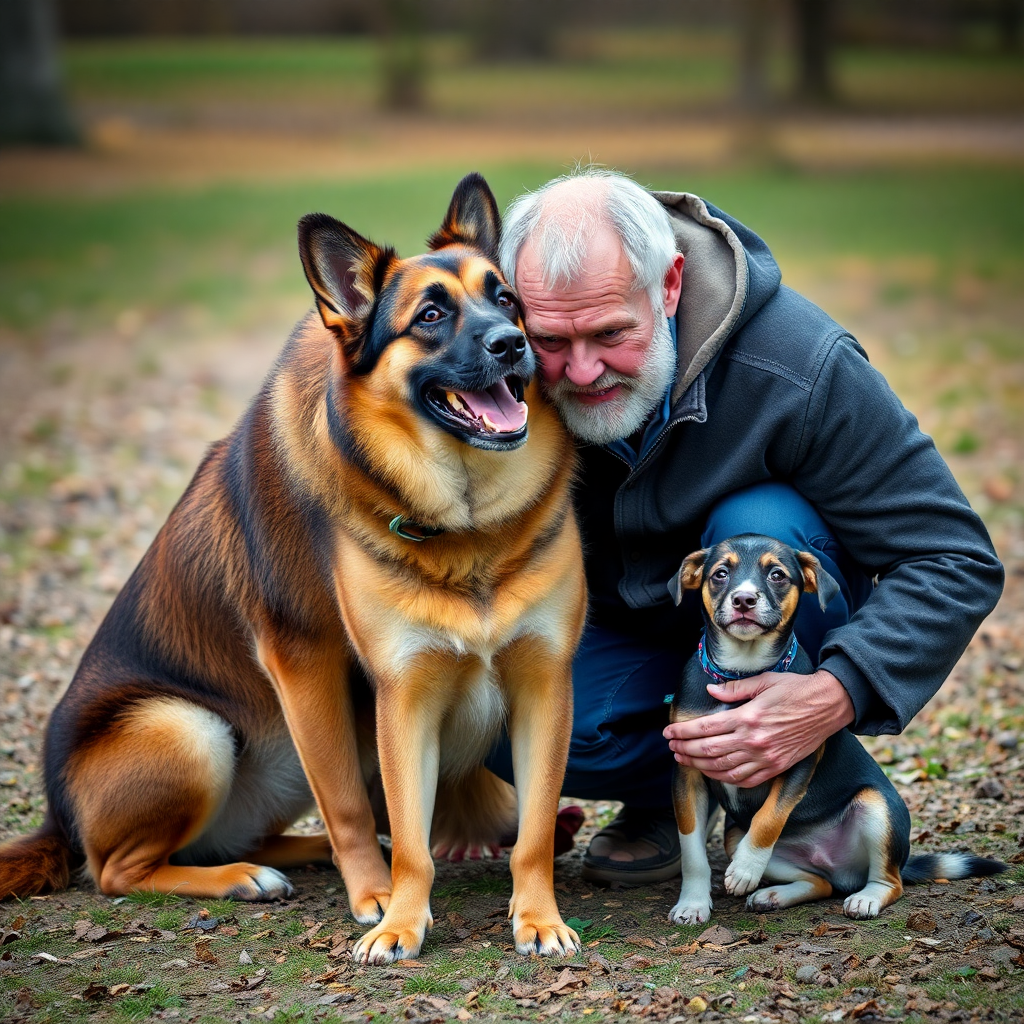
The relationship between pets and masters is one of mutual reliance. Pets depend on humans for food, safety, and affection, while humans benefit from companionship, exercise, and emotional support. Research has shown that dog owners, for example, are four times more likely to meet daily physical activity guidelines compared to non-owners (BMJ, 2019). This highlights how caring for pets not only meets their needs but also enriches the master’s lifestyle. When one side thrives, so does the other—making their needs truly inseparable.
Mutual Dependence: How Pets Benefit Too
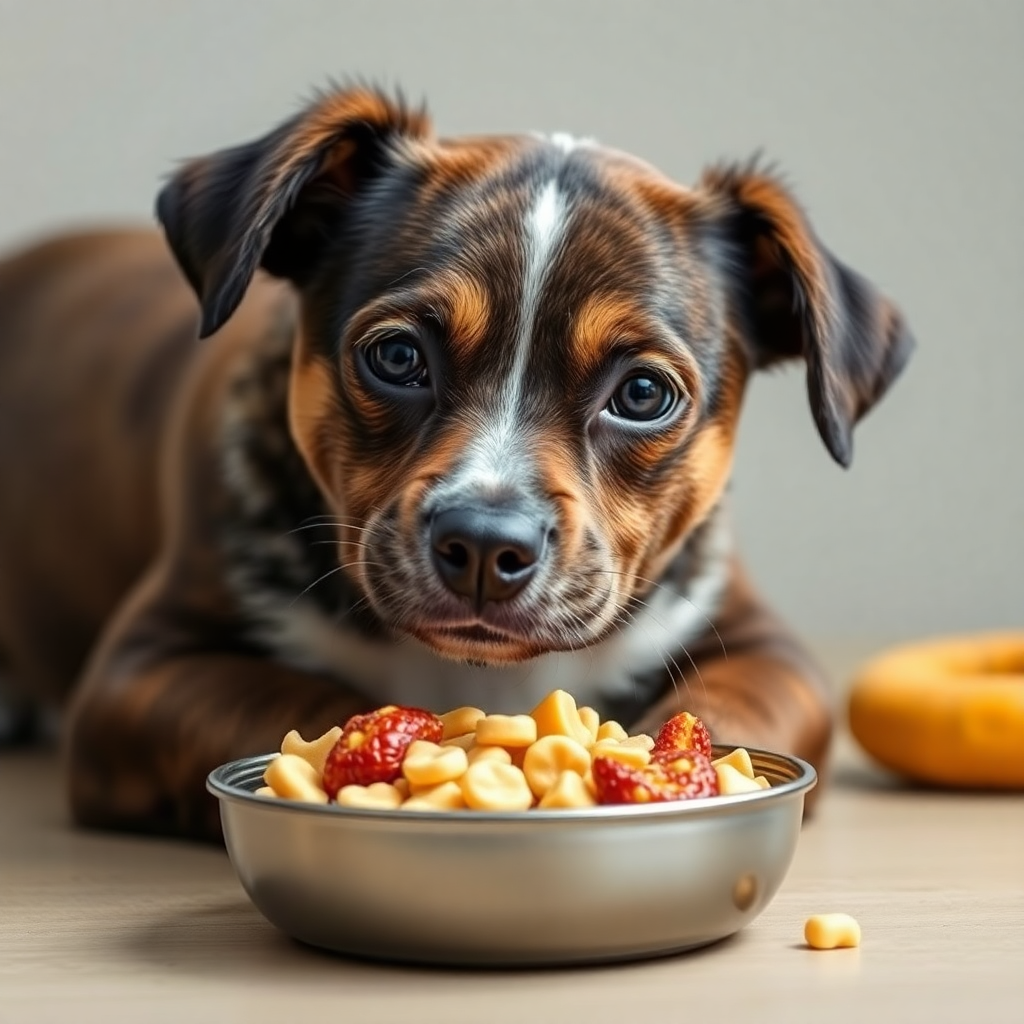
- Nutritional Dependence – Pets rely on humans for survival.
- Fact: Domestic dogs cannot synthesize enough vitamin D from sunlight, unlike wild wolves.
Domestic pets rely on humans to provide the nutrition they need for survival. Unlike their wild counterparts, dogs cannot synthesize sufficient vitamin D from sunlight, meaning they depend on fortified diets supplied by humans (Journal of Animal Physiology and Animal Nutrition, 2011). This highlights how deeply pets’ health is intertwined with our care and choices.
- Safety and Shelter – Human protection improves pets’ lifespans.
- Fact: Indoor cats live 10–15 years on average, compared to 2–5 years outdoors.
Human-provided shelter dramatically improves pets’ life expectancy. While outdoor cats live only 2–5 years on average, indoor cats typically reach 10–15 years (American Veterinary Medical Association). Protection from predators, traffic, and disease allows pets to thrive under human guardianship, proving that our homes have become their safe havens.
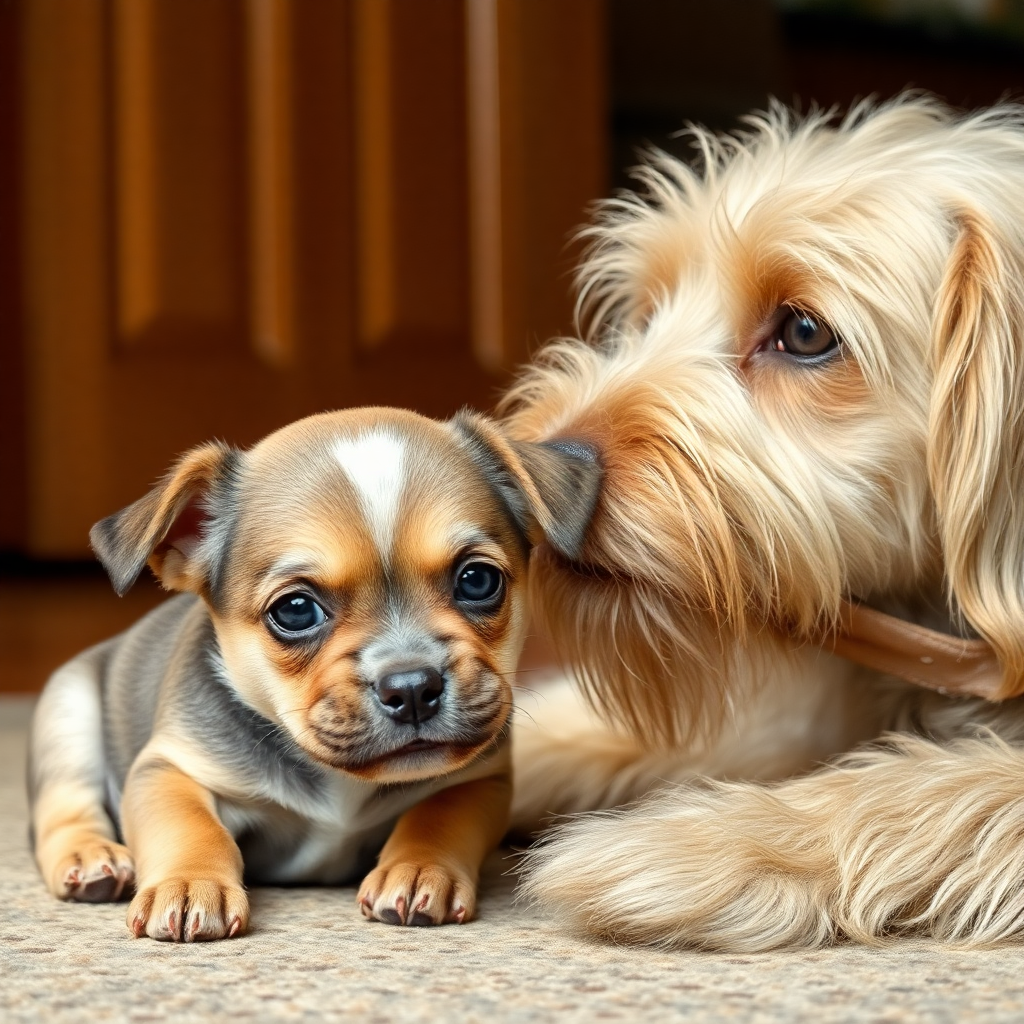
- Emotional Benefits for Pets – Pets thrive on human interaction.
- Fact: Dogs’ oxytocin levels rise when gazing into their owners’ eyes (mutual “love hormone” effect).
The emotional bond is mutual—pets also feel love and connection. A groundbreaking study found that dogs’ oxytocin levels spike when they gaze into their owners’ eyes, mirroring the hormonal bonding process between mothers and infants (Science, 2015). This “love hormone” effect confirms that the relationship is not one-sided; pets genuinely benefit emotionally from human interaction.
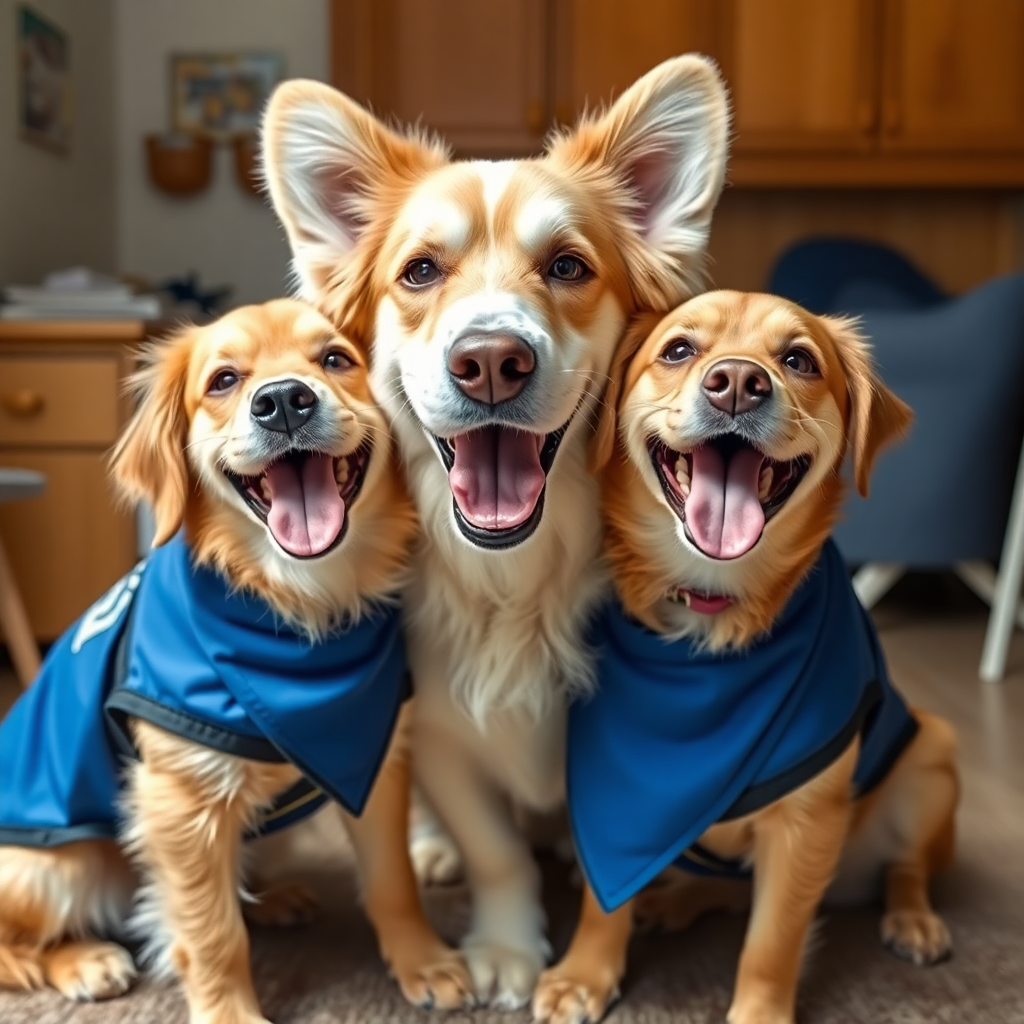
- Social Structure – Humans fill leadership roles.
- Fact: Animals like dogs bond by recognizing humans as part of their “social group.”
Animals like dogs naturally form social hierarchies, and humans often become central figures in those structures. Research shows that dogs recognize their owners as “social partners,” responding with loyalty and cooperation (Animal Cognition, 2017). This role fulfills their instinctive need for leadership and group belonging, with humans seamlessly fitting into their evolved social systems.
- Medical Care for Pets – Veterinary care as an extension of the bond.
- Fact: Vaccination programs have nearly eliminated rabies in domestic pets in developed countries.
Modern veterinary medicine has significantly improved pet survival rates. Vaccination campaigns, for example, have led to a 90% global reduction in rabies-related deaths in domestic animals over the past 50 years (World Health Organization). Preventive care, regular checkups, and medical advances mean pets live longer, healthier lives—benefits made possible only through human stewardship