Discover the comprehensive guide to dog nutrition and how it impacts your pet’s overall well-being. This guide covers essential nutrients, criteria for choosing high-quality dog food, and highlights the popular dog food brands backed by research. Learn the importance of proteins, fats, carbohydrates, vitamins, and minerals, along with helpful tips for making informed choices for your furry friends. Additionally, explore reviews and expert insights to select the right food based on your dog age, size, and health needs. Ensure your dog’s vitality and happiness with the best nutritional practices and support their health with quality feeding options.
Introduction to Dog Nutrition
Proper nutrition plays a pivotal role in the overall health and well-being of dogs. Just like humans, dogs require a balanced diet to thrive, comprising a variety of essential nutrients. These nutrients can be categorized into five main groups: proteins, fats, carbohydrates, vitamins, and minerals. Each of these components serves a unique purpose and is crucial for maintaining optimal health.
Proteins are essential for a dog’s growth, tissue repair, and maintenance, with high-quality sources like lean meats and fish providing crucial amino acids. Fats are vital for energy and the absorption of fat-soluble vitamins, while Omega-3 and Omega-6 fatty acids from fish oil and vegetable oils promote healthy skin, coat, and cardiovascular health.
Carbohydrates, while not essential, offer a valuable source of energy. They can be found in grains, vegetables, and fruits, which contribute not only to energy levels but also provide dietary fiber necessary for proper digestion. Vitamins and minerals play various roles in bodily functions, contributing to immune health and ensuring robust metabolic processes. A balanced diet that includes a variety of these nutrients can significantly impact a dog’s vitality, energy levels, and longevity.
Research shows that proper nutrition correlates with better health outcomes in dogs. Studies indicate that dogs on high-quality diets face fewer health issues and have more energy. Veterinarians and pet nutritionists stress the importance of choosing nutritionally balanced dog food to help our canine companions live healthy, active lives
Criteria for Choosing the Best Dog Food
When selecting the best dog food, a thorough examination of various factors is essential to ensure the health and well-being of our canine companions. The criteria outlined below serve as a guideline to assess the quality and suitability of dog foods included in our popular dog food selections.
Ingredient Quality: The quality of ingredients in dog food cannot be overstated. Premium dog foods generally utilize whole foods, such as real meats, whole grains, and fresh vegetables. Ingredients should be sourced with care, ensuring they are free from by-products and artificial fillers. Look for a product with specified sources of protein and identifiable ingredients.
Nutritional Content: A dog’s nutritional requirements vary by age, size, and activity level. The ideal dog food will have a balanced proportion of protein, fats, carbohydrates, vitamins, and minerals. It is crucial to verify that the food complies with AAFCO (Association of American Feed Control Officials) standards, which set nutrient recommendations for pets.
Absence of Harmful Additives: The safety of dog food extends to its ingredients, highlighting the importance of avoiding harmful additives. Artificial preservatives, colors, and flavors can pose risks to your dog\u2019s health. The best dog foods are formulated with natural preservatives such as vitamin E and C, ensuring safety without compromising nutritional value.
Price Point: While premium ingredients often come at a higher cost, the price should reflect the food\u2019s overall value. It is vital to balance affordability with quality to ensure dogs receive a nutritionally adequate diet without breaking the bank.
Reviews from Pet Owners and Veterinarians: Feedback from dog owners and insights from veterinarians can provide practical perspectives regarding the food palatability, digestibility, and effects on health. Incorporating these reviews helps in understanding the real-world performance of dog foods.
Each of these criteria plays a critical role in evaluating dog foods.
Popular Dog Food Selections
Choosing the right dog food is essential for maintaining your pet’s health and vitality. Below are ten highly-rated dog foods:
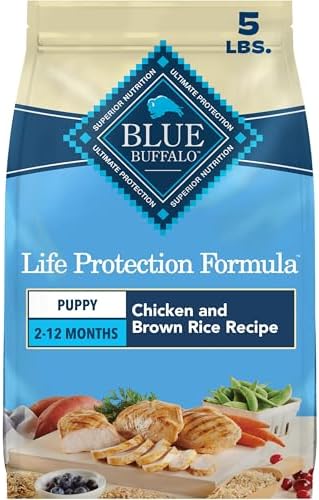
1. Blue Buffalo Life Protection Formula – Key Ingredients: Chicken, brown rice, peas, and blueberries. – Nutritional Analysis: Contains 24% protein, 15% fat. – Benefits: Rich in antioxidants, promoting overall health and immunity. Suitable for medium and large breed dogs.
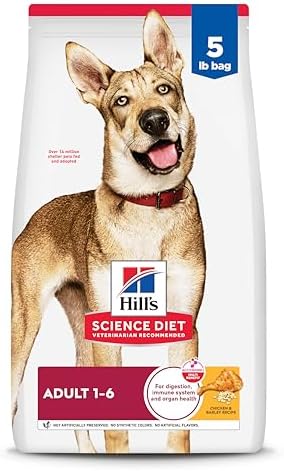
2. Hill’s Science Diet Adult – Key Ingredients: Chicken meal, corn gluten meal, and antioxidants. – Nutritional Analysis: 20% protein, 14% fat. – Benefits: Specially formulated for adult dogs, supports healthy skin and a shiny coat. Ideal for all breeds.
3. Orijen Original Dry Dog Food – Key Ingredients: Fresh chicken, turkey, and fish. – Nutritional Analysis: 38% protein, 20% fat. – Benefits: Biologically appropriate; high protein content supports muscle development in active dogs, suitable for all breeds.
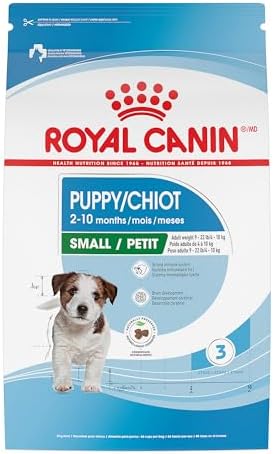
4. Royal Canin Size Health Nutrition – Key Ingredients: Chicken by-product meal, corn, and wheat. – Nutritional Analysis: 24% protein, 14% fat. – Benefits: Tailored for specific size groups, promoting healthy growth for puppies and maintenance for adult dogs.
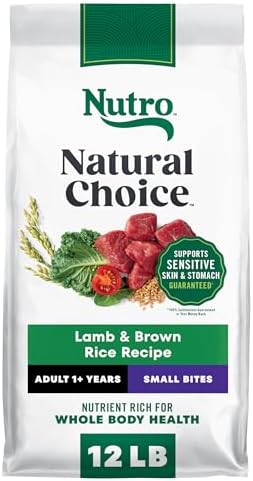
5. Nutro Ultra Grain-Free – Key Ingredients: Chicken, lamb, and salmon meal. – Nutritional Analysis: 26% protein, 15% fat. – Benefits: Grain-free formula, rich in omega fatty acids for healthy skin and coat. Suitable for all breeds, particularly those with sensitivities.
6. Wellness CORE Grain-Free – Key Ingredients: Turkey, chicken meal, and potatoes. – Nutritional Analysis: 34% protein, 16% fat. – Benefits: High-protein, nutrient-dense formula promoting weight management and lean muscle maintenance. Good for active dogs.
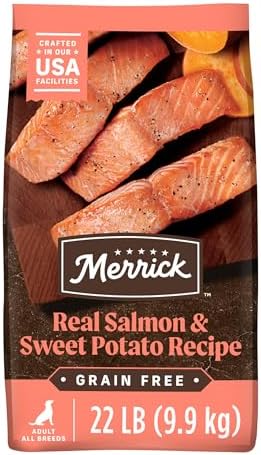
7. Merrick Grain-Free Texas Beef & Sweet Potato – Key Ingredients: Real deboned beef, potatoes, and sweet potatoes. – Nutritional Analysis: 38% protein, 15% fat. – Benefits: High protein content encourages energy and muscle health. Suitable for all breeds.
8. Purina Pro Plan Savor – Key Ingredients: Chicken, rice, and probiotics. – Nutritional Analysis: 26% protein, 16% fat. – Benefits: Supports digestive health with live probiotics. Recommended for adult dogs of all breeds.
9. Taste of the Wild High Prairie – Key Ingredients: Roasted bison, roasted roasted venison, and peas. – Nutritional Analysis: 32% protein, 18% fat. – Benefits: Unique protein sources and omega fatty acids support skin and coat health. Great for active dogs.
10. Canidae All Life Stages – Key Ingredients: Chicken meal, peas, and sweet potatoes. – Nutritional Analysis: 25% protein, 15% fat. – Benefits: Designed for dogs of all ages and sizes, ensuring balanced nutrition for puppies, adults, and seniors.
The above dog foods are recommended based on various consumer reports and scientific studies, providing valuable nutrition and support for different breeds and sizes. For more insights, reviews, and citations, please refer to the relevant sources listed.
Conclusion and Final Thoughts
Choosing the right dog food is paramount to ensuring your pet’s overall health and well-being. Every dog has unique dietary needs based on factors like age, size, breed, and any existing health conditions. Therefore, it is crucial to understand that there is no one-size-fits-all solution when it comes to dog nutrition. Selecting the appropriate food can help maintain optimal health and prevent potential nutritional deficiencies.
Data-supported recommendations play a vital role in guiding dog owners towards the best choices available in the market. By analyzing results from various studies and expert opinions, you are better equipped to make informed decisions that cater to your dog’s specific needs. The use of reputable sources, including veterinary guidelines and nutritional research, should be a key part of your selection process. This approach not only enhances the dog’s quality of life but also prevents serious health issues down the road.
Moreover, consultation with a veterinarian cannot be overstated. A professional can provide tailored advice based on your dog’s history and health status. Regular veterinary check-ups and dietary assessments will help you stay on track with your dog’s nutritional requirements as they grow and change over time. As a responsible pet owner, it is essential to remain vigilant and informed, adapting to the evolving needs of your furry companion.
In conclusion, investing time and effort into selecting the right dog food is not just about answering the immediate needs of your pet; it is about fostering a long-term commitment to their health and happiness. Continuous learning about dog nutrition, leveraging data, and expert recommendations will empower you to make choices that contribute positively to your dog’s life.
Popular Dog Food Selections
(Click Items To Shop)